



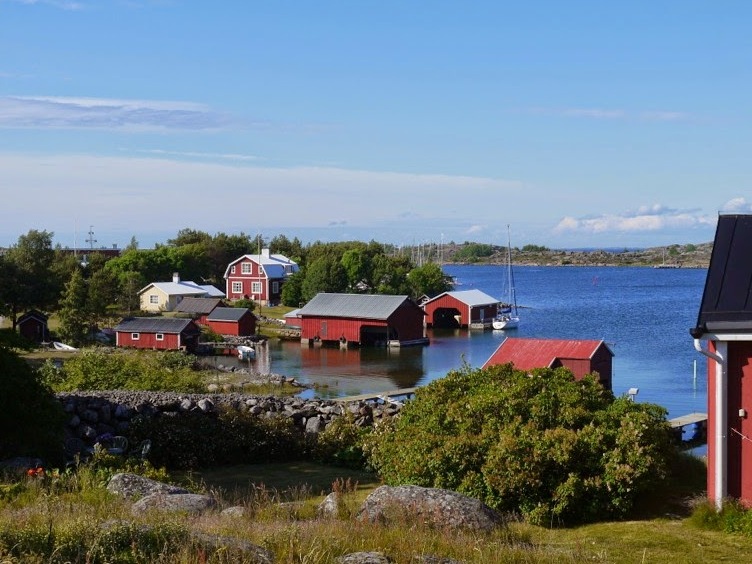
Utö, the southernmost inhabited island in Finland, is a hidden gem in the Åland Islands archipelago, where the Baltic Sea meets the rugged embrace of nature. This tiny island, measuring just over one square kilometer, boasts a rich tapestry of history, culture, and breathtaking landscapes that beckon travelers year-round.
### History and Origins
Utö's history stretches back thousands of years, with archaeological evidence suggesting that it has been inhabited since the Stone Age. The island’s strategic location made it a significant outpost for sailors navigating the treacherous waters of the Baltic Sea. In the 17th century, Utö became a military outpost for the Swedish crown, reflecting the geopolitical importance of the area.
A pivotal moment in Utö's history came in 1809 when Finland was ceded to Russia following the Finnish War. The island's military significance only grew, leading to the establishment of coastal fortifications. In 2005, after the Finnish armed forces vacated the island, the once-military structures were repurposed for civilian use, transitioning to cozy accommodations that now welcome visitors from around the globe.
### Art and Architecture
The architecture of Utö is a charming blend of the old and new, with remnants of military buildings juxtaposed against traditional wooden houses. Utö Lighthouse, built in 1856, is perhaps the most iconic structure, standing tall as a beacon for sailors. Its striking white facade and red roof have become a symbol of the island.
Art on Utö is closely tied to its natural beauty and maritime heritage. The island has inspired local artists, particularly during the summer months when the landscape blooms with colors. You might find small galleries showcasing works that reflect the serene seascapes, rugged cliffs, and the vibrant wildlife that migrates through the island.
### Local Culture and Traditions
The culture of Utö is deeply intertwined with its maritime roots. Fishing and seafaring have long been a way of life, and local customs often celebrate this connection. The islanders hold various festivals throughout the year, including the Midsummer Festival, where residents and visitors alike gather to celebrate with traditional music, dance, and bonfires on the beach.
In spring and autumn, the island becomes a haven for birdwatchers during the migration seasons. Locals organize birdwatching tours, celebrating species such as the Eurasian wren and common eider, enhancing the island's community spirit.
### Gastronomy
Utö's gastronomy is a delightful exploration of traditional Finnish flavors infused with the bounty of the sea. Visitors can savor local delicacies like smoked fish, particularly herring, which is often served on rye bread with a dollop of creamy butter.
Another specialty is kalakukko, a traditional fish pie made from rye crust filled with fish and pork, baked slowly to create a rich, savory dish. Local bakeries also offer pulla, a sweet cardamom bread that is perfect with coffee, embodying the island’s cozy culinary culture.
### Lesser-known Curiosities
While many flock to the picturesque landscapes and birdwatching opportunities, some hidden treasures await the curious traveler. One such curiosity is the Utö Cemetery, where the gravestones tell stories of sailors lost at sea, each etched with tales of love and loss.
Additionally, the island’s location makes it a portal to witness the enchanting midnight sun during summer, a phenomenon that bathes the island in a golden glow long into the night. Conversely, in winter, the stark beauty of the frozen landscapes offers a quiet solitude that is equally captivating.
### Practical Visitor Information
The best time to visit Utö is during the warmer months, from late spring to early autumn, when the island is alive with activity, and its natural beauty is at its peak. Bird migration periods in April and September are particularly popular among nature enthusiasts.
Travelers can reach Utö by a five-hour ferry ride from Turku, which is itself a charming city worth exploring. Once on the island, renting bicycles is a great way to explore its scenic paths and hidden nooks.
Accommodations range from cozy cabins in former military quarters to guesthouses that offer a glimpse into local life. Be sure to engage with the residents, who are often eager to share stories and insights about their beloved island.
For a seamless experience and personalized suggestions, consider using the Secret World app to plan your visit to Utö.
