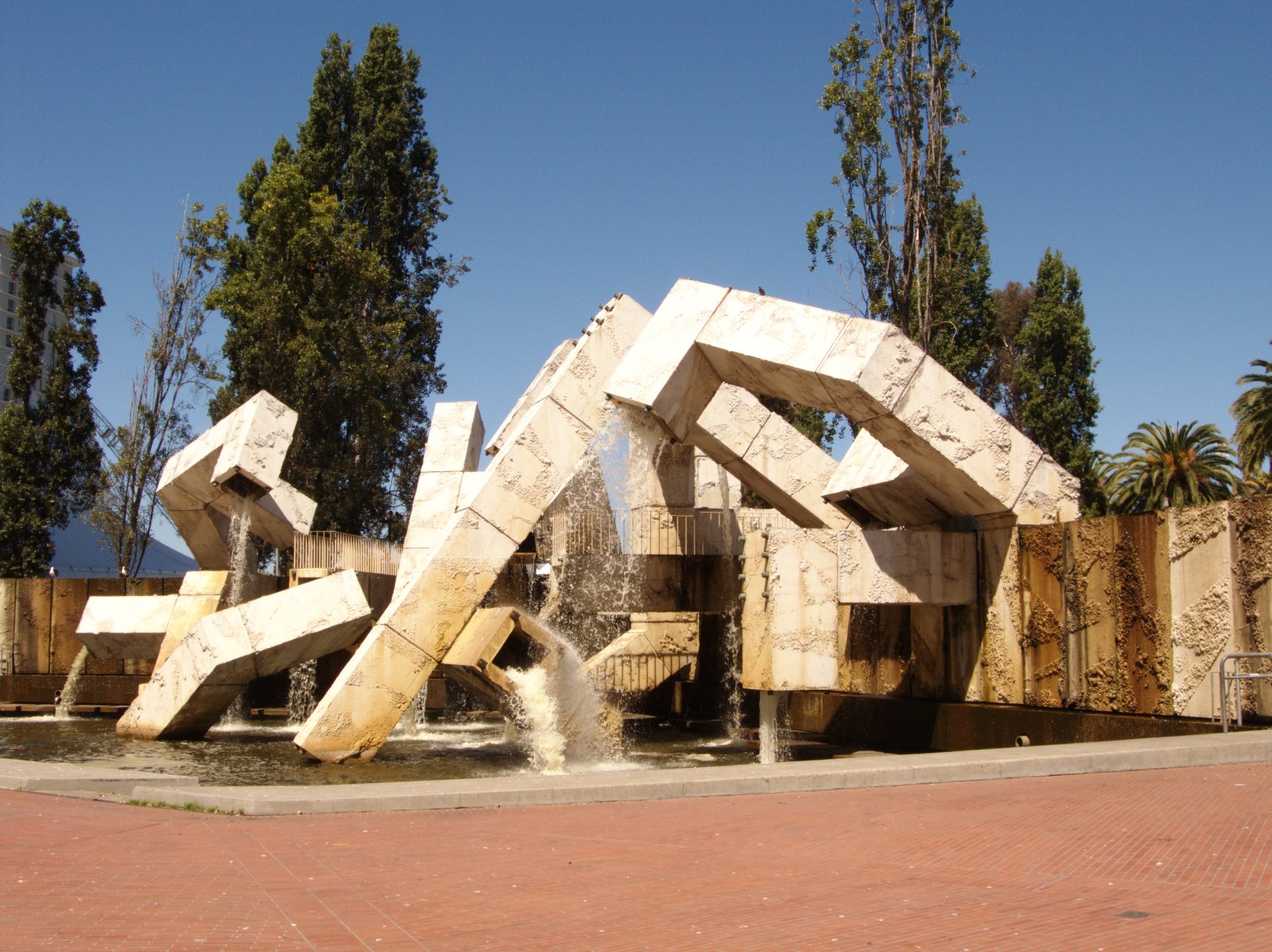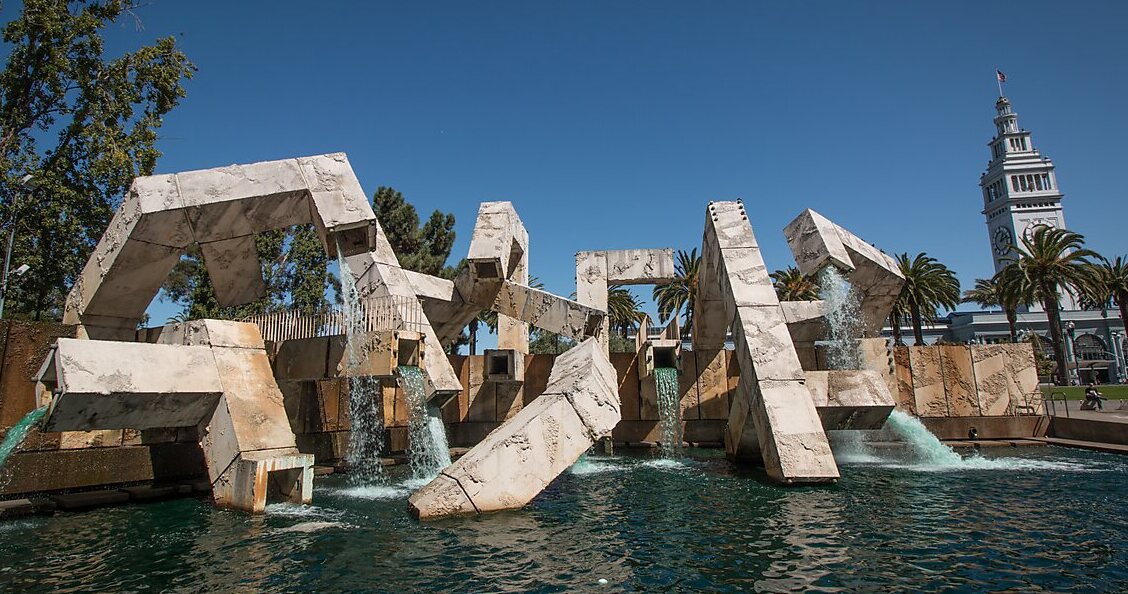

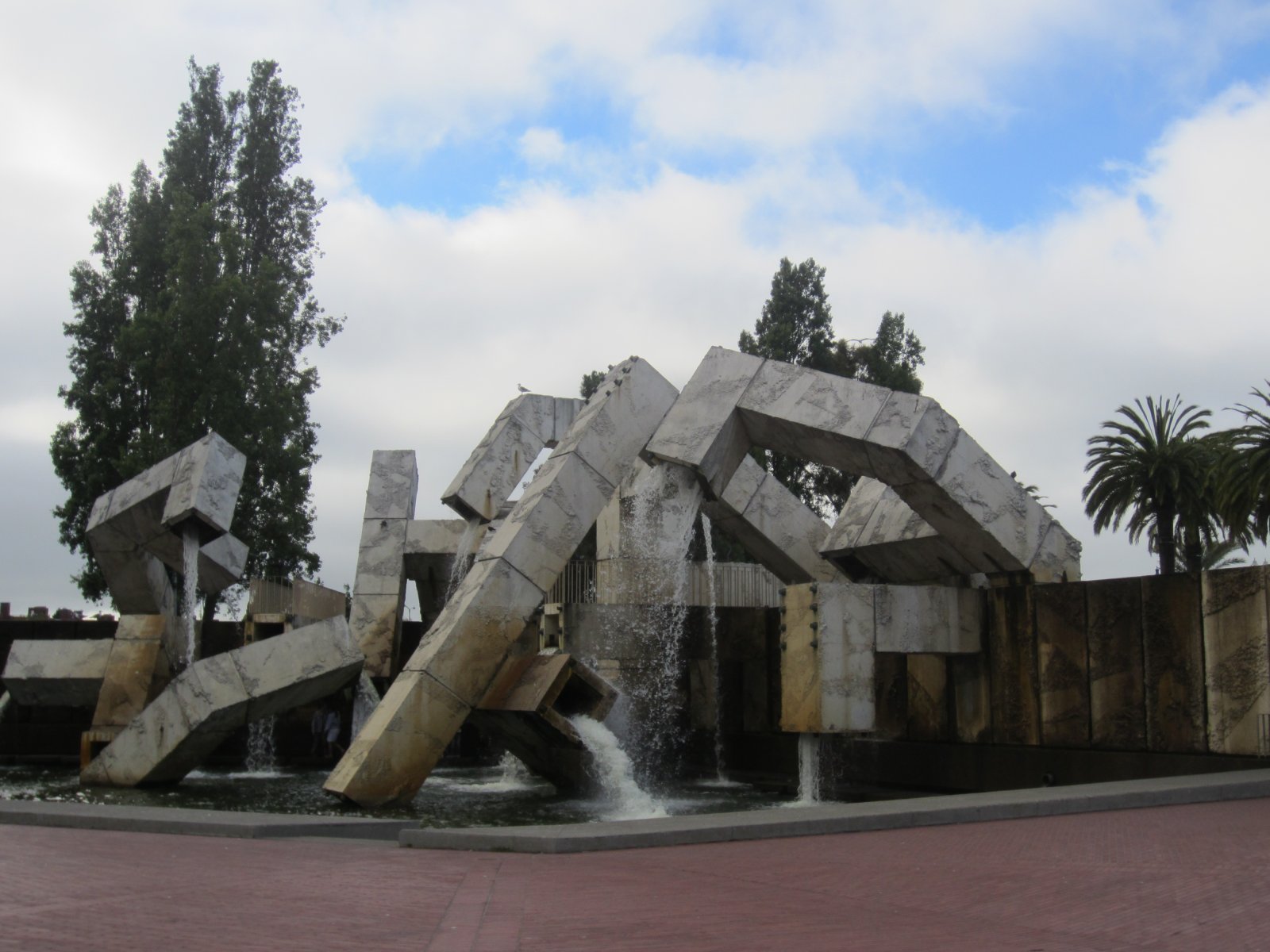
In the heart of San Francisco, the Vaillancourt Fountain, or Quebec libre!, stands as a testament to modern art and cultural dialogue. Designed by Québécois artist Armand Vaillancourt in 1971, this striking structure rises about 40 feet (12 m), crafted from precast concrete square tubes. Its avant-garde design has sparked debate and admiration, making it a focal point in Justin Herman Plaza and a symbol of artistic expression.
### History and Origins The Vaillancourt Fountain was conceived during a time of social upheaval and artistic exploration. In the late 1960s, San Francisco was a crucible of counterculture, and the fountain emerged from this vibrant backdrop. Armand Vaillancourt, inspired by the ideology of liberty and freedom, imbued the fountain with a deep cultural significance, particularly as a nod to Quebec's struggle for autonomy. Over the years, it has witnessed pivotal events, including a free concert by U2 in 1987, where lead singer Bono left his mark by spray painting on the fountain, an act both celebrated and criticized.
### Art and Architecture The architectural style of the Vaillancourt Fountain embodies a modernist aesthetic that challenges traditional forms of public art. Its geometric structure and bold lines represent a departure from classical fountain designs, often evoking mixed reactions among viewers. The fountain’s water jets create a dynamic interplay of sound and movement, symbolizing the energy of San Francisco itself. Not merely a decorative piece, it serves as a canvas for artistic expression, having been the backdrop for various performances and public art installations.
### Local Culture and Traditions In Justin Herman Plaza, the fountain is not just an art piece but a hub of local culture. It has become a gathering place for activists, artists, and tourists alike, often featured in San Francisco's cultural events. Local customs, such as spontaneous performances and art exhibitions, frequently take place around the fountain. The area also hosts events like Fleet Week and San Francisco Pride, where the fountain serves as a backdrop for celebrations of diversity and freedom.
### Gastronomy While the Vaillancourt Fountain itself does not offer culinary delights, its location near the Embarcadero provides access to a smorgasbord of local foods. Explore seafood stalls where you can savor clam chowder served in sourdough bread bowls, a San Francisco classic. Nearby, vibrant food trucks and markets offer anything from Mission-style burritos to gourmet coffee from local roasters. After a stroll around the fountain, indulge in a sweet treat from Ghirardelli Square, known for its rich chocolate and ice cream.
### Lesser-Known Curiosities The Vaillancourt Fountain holds many secrets that even seasoned locals might not know. For instance, hidden within its design are inscriptions that reflect the artist’s political views and personal philosophies. Additionally, the fountain has been the subject of various artistic interventions, making it a living piece of art that evolves with each year. Some even claim that Bono's graffiti still holds a certain charm, representing the 1980s spirit of rebellion and creativity that permeated San Francisco.
### Practical Visitor Information The best time to visit the Vaillancourt Fountain is during the spring and fall, when the weather is mild and the surrounding area is alive with activity. Mornings are often quieter, allowing for a more contemplative experience. When visiting, take time to walk around the fountain and observe the intricate details of its design. Look out for local artists and musicians who frequently perform in the plaza, adding to the vibrant atmosphere.
Overall, a visit to the Vaillancourt Fountain is more than just a stop on your itinerary; it is an encounter with the artistic spirit of San Francisco. To truly embrace what this city has to offer, consider using the Secret World app to plan a personalized AI itinerary that includes this iconic landmark.