
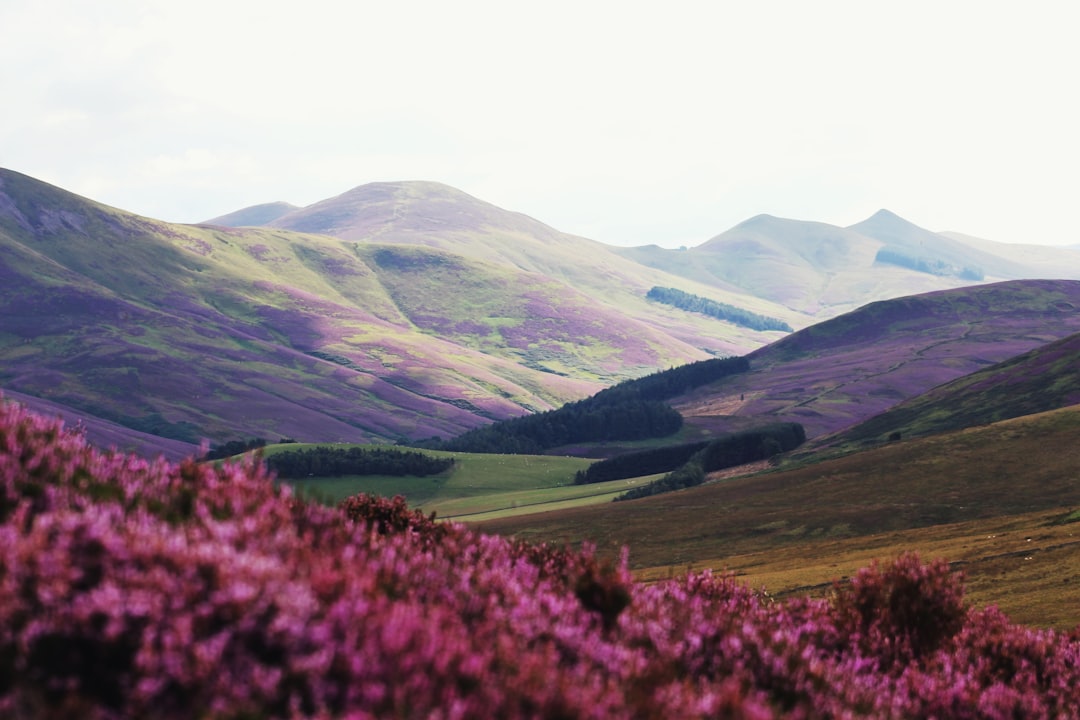

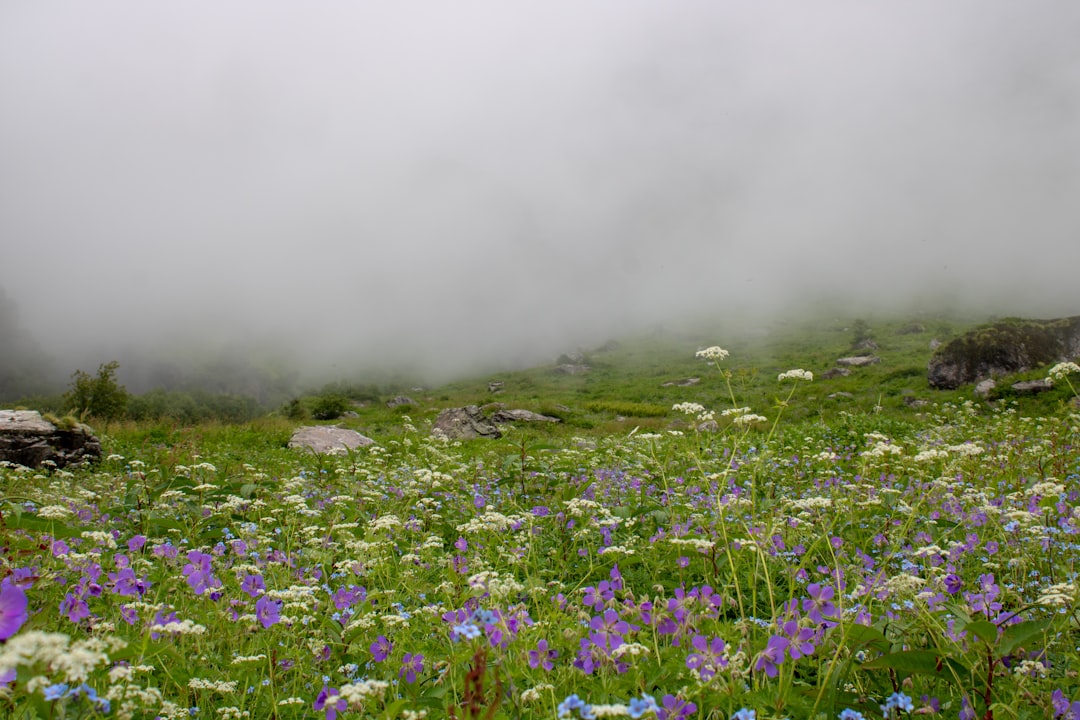
At over 3,500 meters above sea level, when the snow retreats and gives way to the damp earth, the Yumthang valley transforms into something difficult to describe without falling into hyperbole. The glacial valley floor literally becomes covered with primroses, rhododendrons, and Himalayan blue poppies in a chromatic succession that ranges from bright yellow to deep purple, passing through the carmine red of the rhododendrons. It is not a metaphor: the valley floor becomes a dense carpet of flowers that stretches for kilometers along the Teesta River, and those who arrive in April or May witness a spectacle that has few equivalents throughout the entire Himalayan range.

Yumthang is located in the North Sikkim district, in the Indian state of Sikkim, about 140 kilometers from Gangtok, the capital. The valley is also locally known as Sikkim Valley of Flowers — not to be confused with the UNESCO World Heritage valley of the same name in Uttarakhand — and is situated within a nature reserve that hosts over 24 species of rhododendrons, some of which are endemic to this portion of the eastern Himalayas. The main flowering period runs from mid-March to mid-May, with the peak generally occurring between the end of April and the first days of May.
The landscape: glacial and floral together

What makes Yumthang visually unique is the contrast between the scale of the landscape and the delicacy of its flowers. The valley is wide, open, bordered by snow-capped peaks that exceed 5,000 meters, and the Teesta River flows through it with a constant sound of cold, fast water. Against this almost austere backdrop, the flowering meadows seem even more improbable. The rhododendrons here do not just grow as low shrubs: some species reach the size of real trees, with twisted trunks and flowers as large as open palms.
The Himalayan blue poppy (Meconopsis), one of the most photographed flowers in the entire region, grows spontaneously on the grassy slopes around the valley. Its color — an intense almost unreal blue — is the result of anthocyanin pigments that react with the acidic soil typical of these altitudes. Finding it in bloom requires being present at the right moment, generally between April and June depending on the seasonal trends.
How to get there and what to expect logistically
Reaching Yumthang requires planning. The mandatory starting point is Gangtok, from where a mountain road leads through Lachung, the closest village to the valley, where most visitors stay overnight. The stretch from Lachung to Yumthang covers about 24 kilometers and is traveled by jeep in about an hour, on a paved road but with exposed sections that are prone to landslides during the monsoon season.
Important practical advice: to visit Yumthang, it is mandatory to obtain an Inner Line Permit, the special permit required to access the border areas of northern Sikkim. This document can be obtained in Gangtok at the tourism office or through local agencies, and the processing times are generally quick — often within the same day. Without this permit, the checkpoints along the road will not allow passage. Foreign citizens require an additional permit compared to Indian citizens, so it is advisable to check the updated requirements before departure.
The best time to visit

The ideal window is narrow: from late April to mid-May to see the bloom at its peak. Before this period, snow can still cover part of the valley floor; after, with the arrival of the monsoon in June, the roads become unreliable and visibility decreases drastically. The summer and autumn months offer green and pleasant landscapes, but without the extraordinary concentration of flowers that characterizes spring.
The temperature in Yumthang even in spring remains cool, often below 10°C in the morning hours, and the wind can be biting. Bringing thermal layers is essential even if departing from Gangtok with much milder temperatures. The altitude above 3,500 meters can cause altitude sickness in unacclimatized visitors: it is advisable to spend at least one night in Lachung before ascending, to allow the body to gradually adjust.
What to observe on site
Inside the valley, there is a small thermal structure — the hot springs of Yumthang — that local visitors have frequented for generations. The sulfurous water emerges from the ground a few hundred meters from the main parking lot, and the steam rising contrasts visually with the frozen peaks in the background. It is one of the most unusual details of the place: geothermal activity and the glacier coexist just a few hundred meters apart.
The average visit to the valley lasts between two and three hours, enough time to walk the main trails of the valley floor and reach the most flowery meadows. There are no accommodation facilities in the valley itself: everything is concentrated in Lachung, which offers small hotels and family guesthouses with local Sikkim cuisine, including the traditional thukpa and fermented rice.


