
← Back

Vesuvius National Park | Conetti del Carcavone

Via Alveo Pollena, 2, 80040 Pollena Trocchia NA, Italia ★★★★☆ 345 views
Freyan Castillo
Pollena Trocchia
🏆 AI Trip Planner 2026

Get the free app

Discover the best of Pollena Trocchia with Secret World — the AI trip planner with 1M+ destinations. Get personalized itineraries, hidden gems and local tips. Free on iOS & Android.

🧠 AI Itineraries 🎒 Trip Toolkit 🎮 KnowWhere Game 🎧 Audio Guides 📹 Videos
Scan to download iOS / Android
Scan for AppGallery Huawei users

About Vesuvius National Park | Conetti del Carcavone

Vesuvius National Park | Conetti del Carcavone - Pollena Trocchia | Secret World Trip Planner

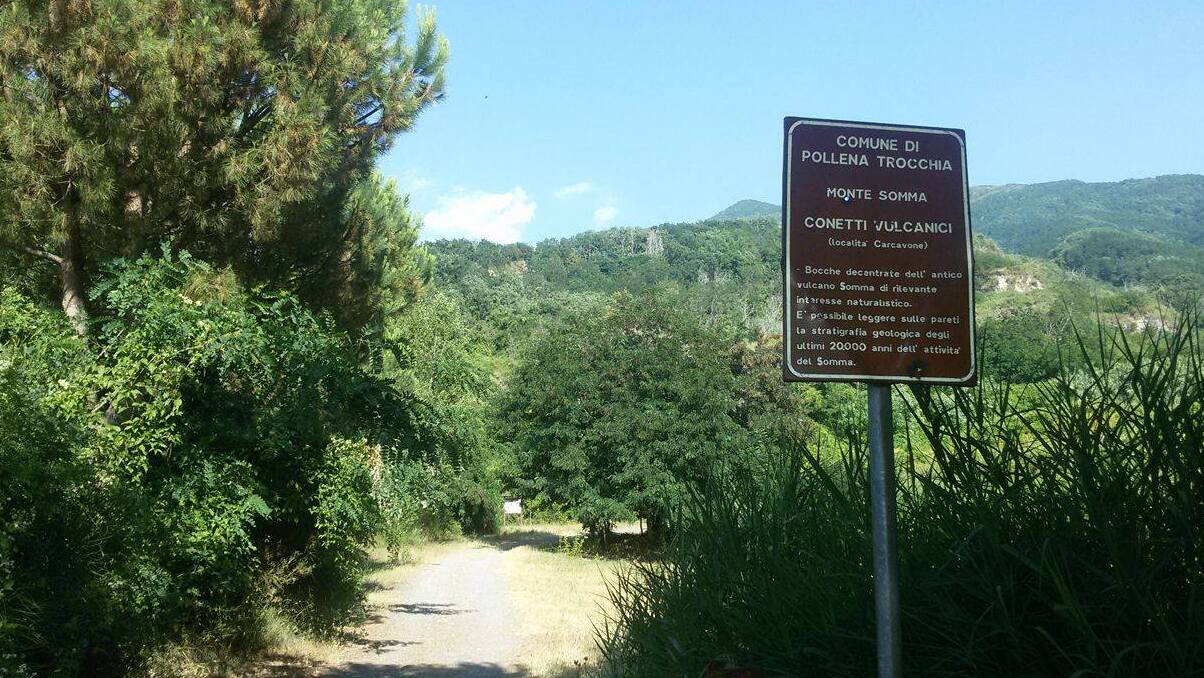
At Pollena Trocchia in the ancient Somma Volcano, in the magnificent natural scenery of the Vesuvius National Park, we take the "Apolline Path" and the famous "Conetti del Carcavone", volcanic mouths located on the northern side of Mount Somma, about 300 meters above sea level and about 2 km from the town of Pollena Trocchia. Similar to small craters, they are three volcanic buildings of conical shape, emerged from the light after the activity of a quarry, abandoned at the end of the nineties. The walls of the Conetti, "cut in section" by the works of the quarry, have a complex stratigraphy with reddish volcanic slag, yellow tuff deposits and grey lava banks. The layers overlap and sometimes intersect, due to the alternation of effusive and explosive eruptions of the Somma Volcano. Let's imagine an imposing volcano that exceeds 2,000 meters in height, with a single peak, formed between 40,000 and 25,000 years ago by the overlapping of lava flows and slag banks. From 25,000 years ago to 472 AD, seven explosive eruptions destroyed the summit of the volcano and gave life to a caldera (a funnel-shaped basin), inside which, with a return of effusive activity, the Great Cone of Vesuvius, today "just" 1281 metres high, was formed in over 700 years. The Conetti date back to the ancient construction phase of the Somma Volcano and are configured as side vents, due to the excessive hydrostatic pressure of its very high magmatic column.

In the surrounding area, moreover, it is possible to read the signs of the Plinian eruption of 472 A.D., known as the "Eruzione di Pollena", which poured avalanches of material from a kilometric eruptive column, an explosion so powerful that it threw debris into the area of Avellino.

🗺 AI Trip Planner 2026

Plan your visit to Pollena Trocchia

Suggested itinerary near Vesuvius National Park | Conetti del Carcavone

MAJ+
500.000+ travelers worldwide
  1. 🌅
    Morning
    Vesuvius National Park | Conetti del Carcavone
    📍 Pollena Trocchia
  2. ☀️
    Afternoon
    Lucia di Lammermoor and the village of Trocchia
    📍 1.5 km · Pollena Trocchia
  3. 🌆
    Evening
    Naples | Vesuvius: the most famous volcano on earth
    📍 2.1 km · Pollena Trocchia

Buy Unique Travel Experiences

Powered by Viator

See more on Viator.com

Explore nearby · Pollena Trocchia

Frequently Asked Questions

The Conetti del Carcavone are three small conical volcanic structures located on the northern side of Mount Somma in Vesuvius National Park, about 300 meters above sea level and 2 km from Pollena Trocchia. These ancient side vents were revealed after quarrying operations ended in the late 1990s, and they showcase impressive geological layering with reddish volcanic slag, yellow tuff, and grey lava banks.
You can reach the Conetti del Carcavone by following the scenic 'Apolline Path' (Sentiero Apollineo) from Pollena Trocchia, which takes you through the magnificent natural landscape of the ancient Somma Volcano. The hike covers approximately 2 km and leads to the volcanic structures situated at about 300 meters elevation in Vesuvius National Park.
The exposed walls of the Conetti reveal the complex geological history of Somma Volcano, displaying multiple layers that record alternating effusive and explosive eruptions spanning from 40,000 to 25,000 years ago. By examining the striations of reddish slag, yellow tuff, and grey lava, visitors can understand how the original 2,000-meter volcano was shaped by seven major explosive eruptions that eventually created the caldera within which modern Vesuvius formed.
The Conetti del Carcavone area displays evidence of the powerful 472 AD 'Eruzione di Pollena,' a Plinian eruption with such a massive eruptive column that it scattered debris as far as Avellino. This eruption demonstrates the extraordinary power of Vesuvius, making the site an invaluable outdoor classroom for understanding the volcano's explosive potential and historical impact on the region.
The best times to visit are spring (April-May) and fall (September-October) when temperatures are mild and the weather is stable for hiking the Apolline Path. These seasons offer comfortable conditions for exploring the volcanic landscape and clearly observing the geological layers exposed in the Conetti structures without the extreme heat of summer.
