
Nestled on the southern tip of Vancouver Island, Victoria is often regarded as one of Canada’s most picturesque cities, offering a stunning blend of natural beauty and rich history. With its mild climate, breathtaking ocean and mountain vistas, and charming British colonial architecture, it’s a destination that invites exploration and discovery at every corner.
### History and Origins
The history of Victoria begins long before European settlers arrived. The area was originally inhabited by the Songhees and Esquimalt Nations, who thrived on the abundant resources of the land and sea. In 1778, Captain James Cook made the first European contact during his expedition along the Pacific coast, but it wasn't until 1843 that the Hudson's Bay Company established a fort at Fort Victoria, marking the formal founding of the city.
Victoria quickly grew as a trading post and the gateway to the British colonies in the Pacific. It became the capital of the Colony of Vancouver Island in 1858, a status that solidified its importance. The gold rush of the late 1850s attracted thousands of prospectors, further fueling its development. By the late 19th century, the city had transformed into a cultural hub, boasting a vibrant arts scene and elegant public buildings.
### Art and Architecture
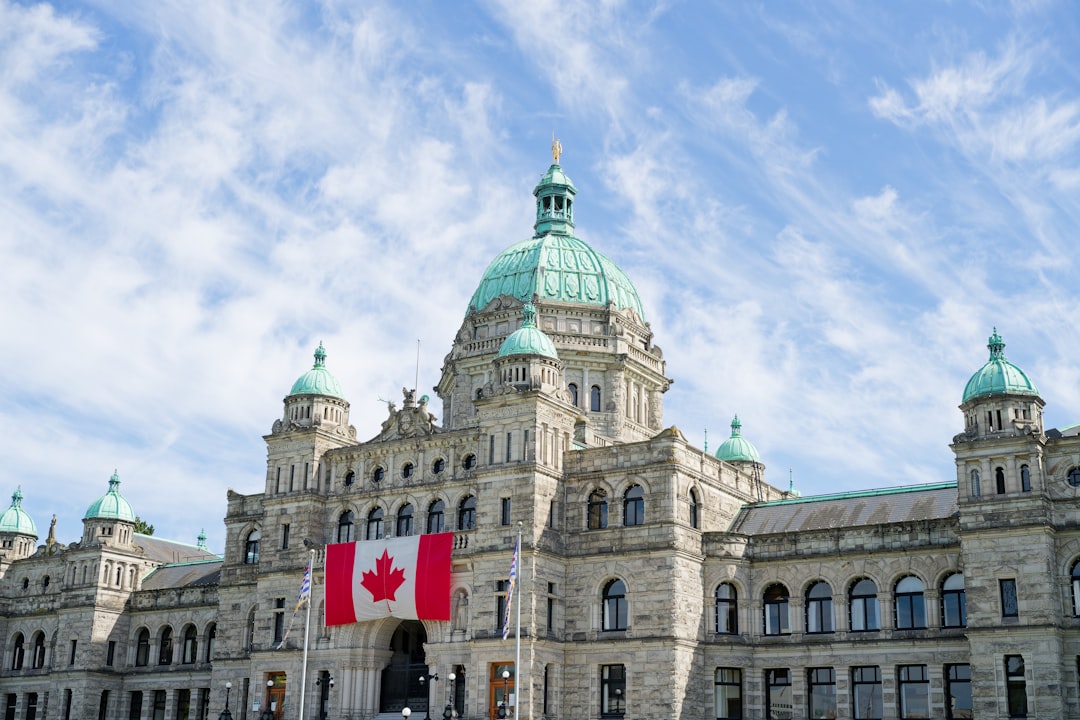
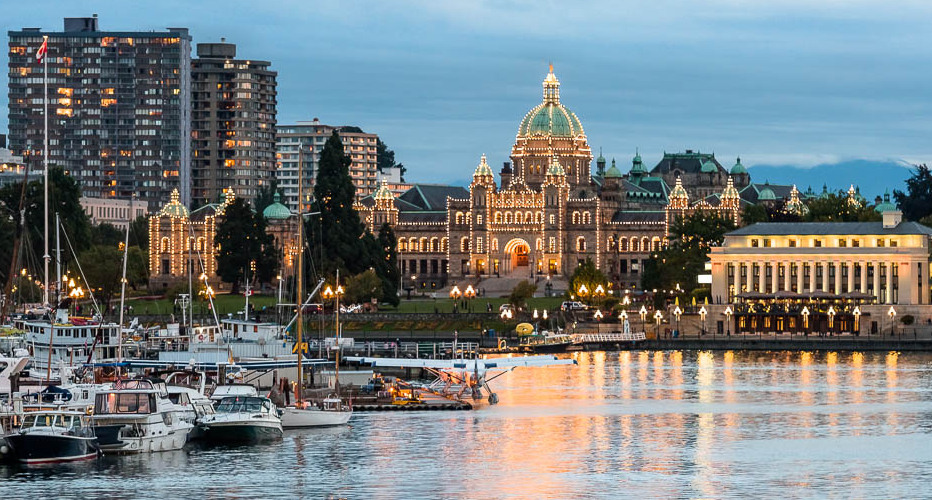
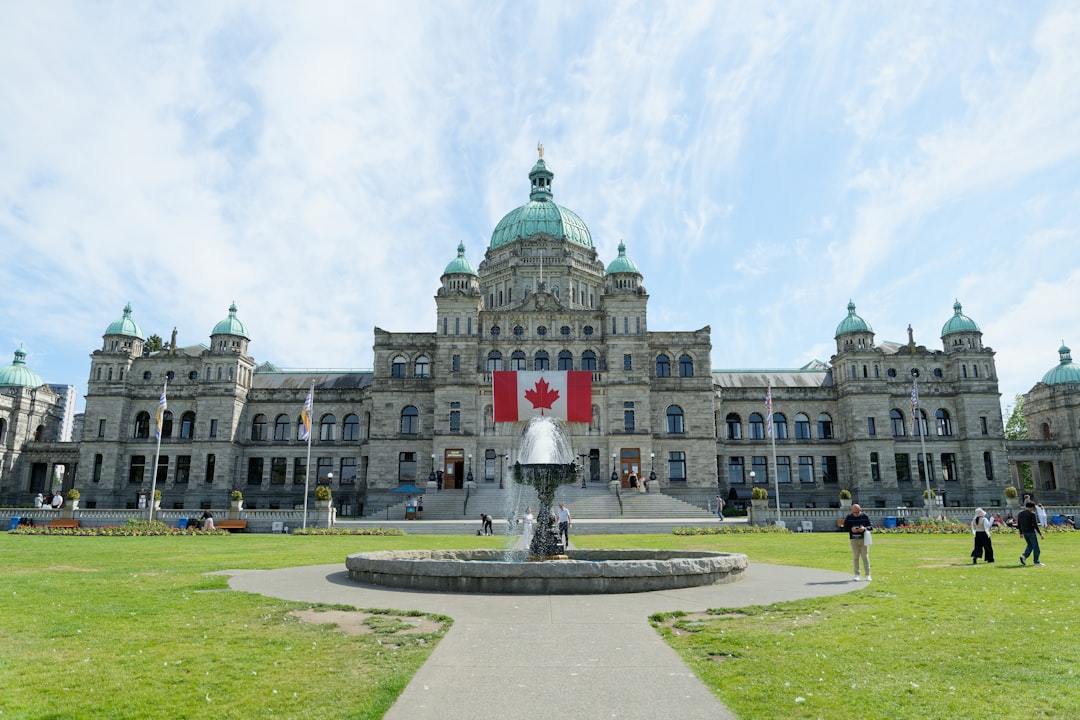
Victoria’s architectural landscape is a testament to its colonial past, featuring a mix of Romanesque, Victorian, and Edwardian styles. The most notable structure is the Parliament Buildings, completed in 1897, which boasts a stunning façade adorned with intricate details and domed roofs. The Fairmont Empress Hotel, another architectural gem, has welcomed royalty and dignitaries since its opening in 1908 and is a prime example of the Château-style architecture prevalent in Canada.
Art enthusiasts will find solace in the Art Gallery of Greater Victoria, showcasing a diverse collection of Canadian and international art. The gallery also houses an impressive array of works by Emily Carr, a prominent Canadian artist known for her vivid landscapes and depictions of Indigenous life.
### Local Culture and Traditions
Victoria's culture is deeply intertwined with its British heritage, evident in its customs and traditions. Afternoon tea is a cherished ritual, and no visit would be complete without experiencing it at the Fairmont Empress or one of the city's quaint tea rooms.
The city also hosts several annual festivals that celebrate its history and community spirit. The Victoria Fringe Festival, held each August, showcases innovative theatre and performance art, while the Victoria Flower Count in February brings together locals and visitors alike to revel in the beauty of the city’s floral displays.
### Gastronomy
Victoria's culinary scene is as vibrant as its culture, with a strong emphasis on fresh, local ingredients. One must-try dish is the dungeness crab, often served with melted butter or in a savory crab cake. Pacific salmon, prepared in various styles, is another local delicacy that reflects the region’s maritime heritage.
For those with a sweet tooth, the city is known for its butter tarts and Nanaimo bars, both of which tell a story of Canadian comfort food. Pair your meal with a local craft beer from one of the many microbreweries or indulge in a glass of wine from the nearby Okanagan Valley, known for its award-winning vineyards.
### Lesser-Known Curiosities
While many tourists flock to the major attractions, there are hidden gems worth discovering. For instance, the Craigdarroch Castle, a Victorian-era mansion built by coal baron Robert Dunsmuir, offers a glimpse into the life of the affluent during the late 19th century.
Another lesser-known fact is the “Mysterious Mural” located in Chinatown, one of the oldest in North America. This mural tells the story of the Chinese immigrants who played a crucial role in Victoria’s development. Moreover, the Ghostly Walks tours offer fascinating insights into the city’s haunted history, blending folklore with historical events.
### Practical Visitor Information
The best time to visit Victoria is during the spring and summer months (April to September), when the city is in full bloom and temperatures are pleasant. The annual Victoria International Buskers Festival in July is a delightful occasion to witness street performers showcasing their talents.
For a memorable experience, consider renting a bike to explore the scenic Galloping Goose Regional Trail, which winds through lush parks and waterfront views. Be sure to check out the Royal BC Museum, which offers intriguing exhibitions on the province’s natural and cultural history.
In conclusion, Victoria is a city that beautifully marries history, culture, and natural splendor. Whether you’re sipping tea by the harbor, exploring its historic districts, or enjoying the local cuisine, every moment spent here is a step into a captivating story. To plan your personalized itinerary for Victoria, consider using the Secret World app for tailored recommendations.