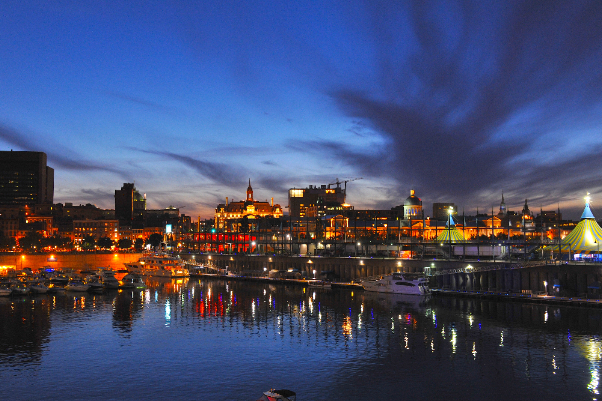

The Vieux-Port de Montreal, a gem nestled along the St. Lawrence River, beckons with its rich tapestry of history, culture, and modern-day allure. Once the bustling heart of trade and commerce, this iconic port has transformed into a vibrant hub of entertainment and leisure that captures the spirit of Montréal.
### History and Origins The story of the Old Port begins long before its official opening in 1830. As early as 1611, it was a pivotal trading post for French fur traders and Indigenous peoples, laying the groundwork for Montréal's evolution as a key economic center. Throughout the 18th and 19th centuries, the port was a bustling artery of commerce, facilitating trade between Europe and North America. Over the decades, it witnessed the ebb and flow of history, from the arrival of Jacques Cartier to the industrial boom that shaped the city’s skyline.
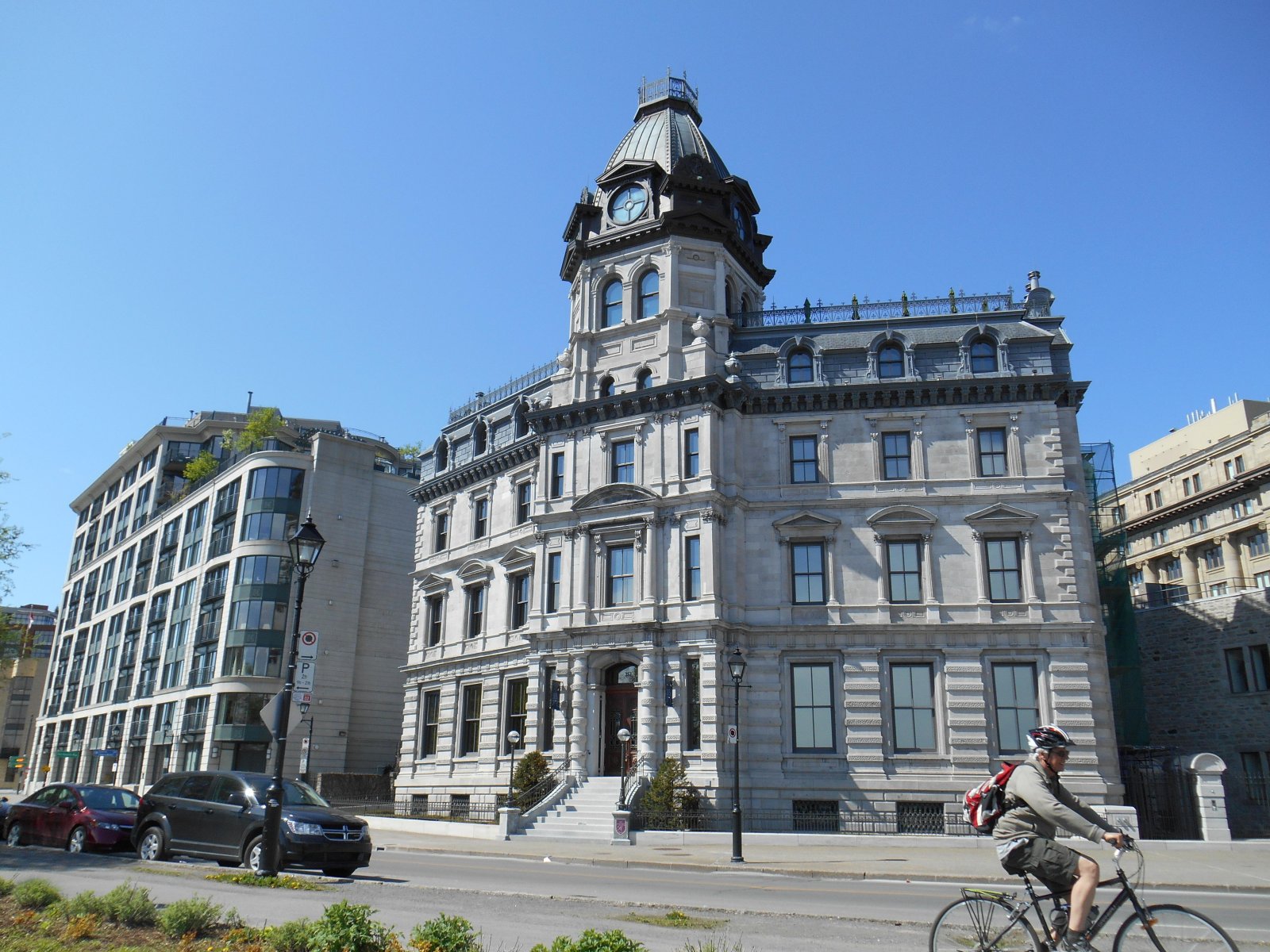
### Art and Architecture Strolling through the Old Port, one cannot miss the echoes of its architectural past. The area is dotted with neoclassical and industrial-era structures, each telling tales of bygone eras. The Clock Tower, built between 1919 and 1922, stands as a sentinel, its white silhouette a striking contrast against the azure sky. Art installations frequently grace the port, with contemporary works adding a modern vibrancy to its historical canvas. These artistic endeavors mirror the city's commitment to innovation, making the Old Port a living gallery.
### Local Culture and Traditions The Old Port is a microcosm of Montréal's multicultural identity. Throughout the year, it hosts a myriad of festivals that celebrate everything from jazz to pyrotechnics. The Montréal en Lumière, a winter festival, transforms the port into a dazzling spectacle of lights and music. The International Fireworks Competition in summer lights up the skies, drawing crowds from around the globe. These events not only entertain but also foster a sense of community, reflecting the city's vibrant spirit.
### Gastronomy No visit to the Old Port is complete without indulging in Montréal's gastronomic delights. The area is a haven for food lovers, offering everything from poutine to bagels—each with a unique Montréal twist. Marché des Éclusiers, a local market, offers fresh, locally-sourced produce and artisanal foods, allowing visitors to savor the authentic flavors of Quebec. Sip on a Caribou, a traditional alcoholic drink, as you explore the culinary offerings that make this port a destination for gourmands.
### Lesser-Known Curiosities Beyond the bustling promenades, the Old Port harbors secrets waiting to be discovered. The Pointe-à-Callière Museum, built atop archaeological remains, offers a glimpse into the city’s layered past. A lesser-known fact is the underground tunnels beneath the port, remnants of the city's early infrastructure. For a touch of whimsy, seek out the Biosphere, a geodesic dome that stands as a testament to the 1967 World Expo, offering panoramic views of the river and cityscape.
### Practical Visitor Information The best time to visit the Old Port is during the late spring to early fall when the weather is mild, and the calendar is filled with events. Wear comfortable shoes as the cobblestone paths and expansive promenades invite exploration. Look out for the Bonsecours Market, a historic building that now houses boutiques selling local crafts and souvenirs.
Embark on your personalized Montreal adventure with the Secret World app for a seamless and insightful experience.
