
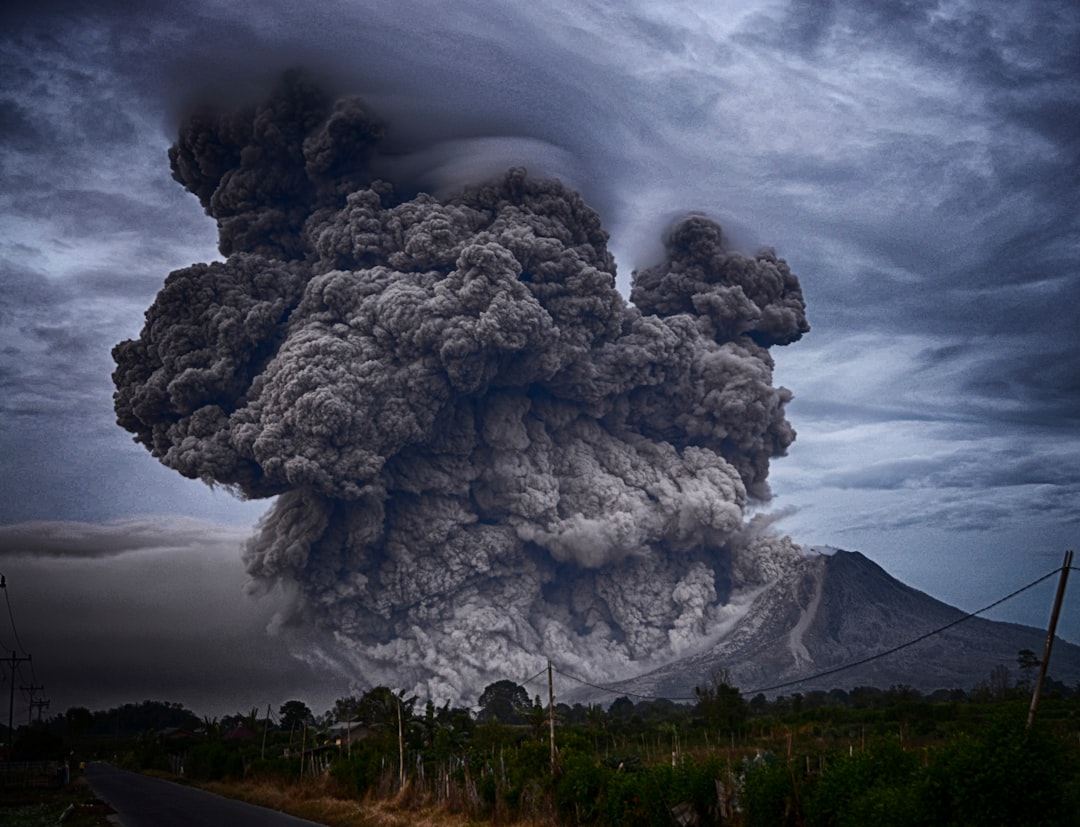

At an altitude of 2,847 meters, the Villarrica crater not only smokes — it bubbles. Looking down from the edge, in the gray light of the Andean dawn, one can see the orange glow of the lava lake pulsing like a heart beneath the crust of rock. This is not a metaphor: it is one of the few volcanoes in the world where visitors can look directly at active magma, accompanied by certified guides, on a hike that takes about eight hours round trip.
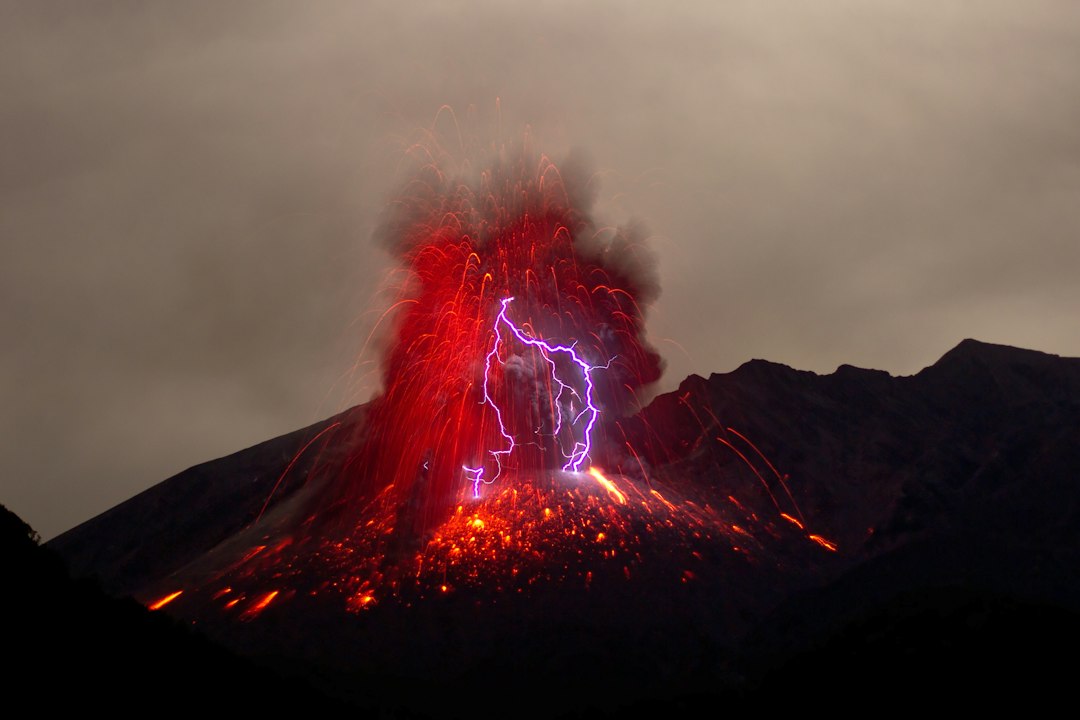
The Villarrica is located near Pucón, a Chilean town in the Araucanía Region, about 780 kilometers south of Santiago. It is one of the most active volcanoes in South America: it has erupted dozens of times over the past centuries, with significant episodes recorded in 1971 and 2015. This ongoing activity makes it both fascinating and subject to sudden closures — a detail that every visitor must take into account before departing.
The ascent: ice, sulfur, and real effort
The ascent generally starts in the early hours of the morning, often before dawn, to take advantage of the compact snow and more stable weather conditions. The agencies in Pucón organize guided groups that include technical equipment: crampons, ice axe, helmet, and gas mask. The latter item is not a symbolic accessory — the sulfur fumaroles along the final stretch are intense, and without respiratory protection, approaching the crater becomes difficult.
The route develops along a side of the volcano covered in snow and ice for a good part of the year. The slope gradually increases, and in the last few hundred meters before the crater rim, one walks on unstable black volcanic rock. Those who reach the top find a panorama that embraces Lake Villarrica below, the Argentine cordillera on the horizon, and, looking down, that glowing fissure which is one of the few accessible lava lakes in the world.
The descent: the volcano as a natural slide
The descent is the part that remains etched in memory the longest. Instead of walking back along the same path, groups descend sitting on the snow using the ice axe as a brake — a technique called glissade. In just a few minutes, they cover hundreds of meters of elevation drop, with speed increasing on the steep snowfield and the Andean landscape flowing by on the sides. It is one of the most physically exhilarating moments that a volcanic hike can offer, and it does not require prior mountaineering experience.
Local guides teach the braking technique with the ice axe before departure, during a brief training session at low altitude. The snow must be in the right conditions to allow for descent in this way: too icy becomes dangerous, too soft slows down excessively. For this reason, the best season to attempt the ascent is from November to April, when the snow conditions are generally more favorable.
Pucón: the logistical base for adventure
Pucón is a town equipped for adventure tourism, with dozens of agencies organizing the ascent to Villarrica. The cost of a complete guided tour typically ranges between 60,000 and 80,000 Chilean pesos per person, including equipment, transportation, and a certified guide. It is advisable to book at least one or two days in advance, especially in high season, and to check the weather conditions the night before: reputable agencies cancel without penalties when conditions are not safe.
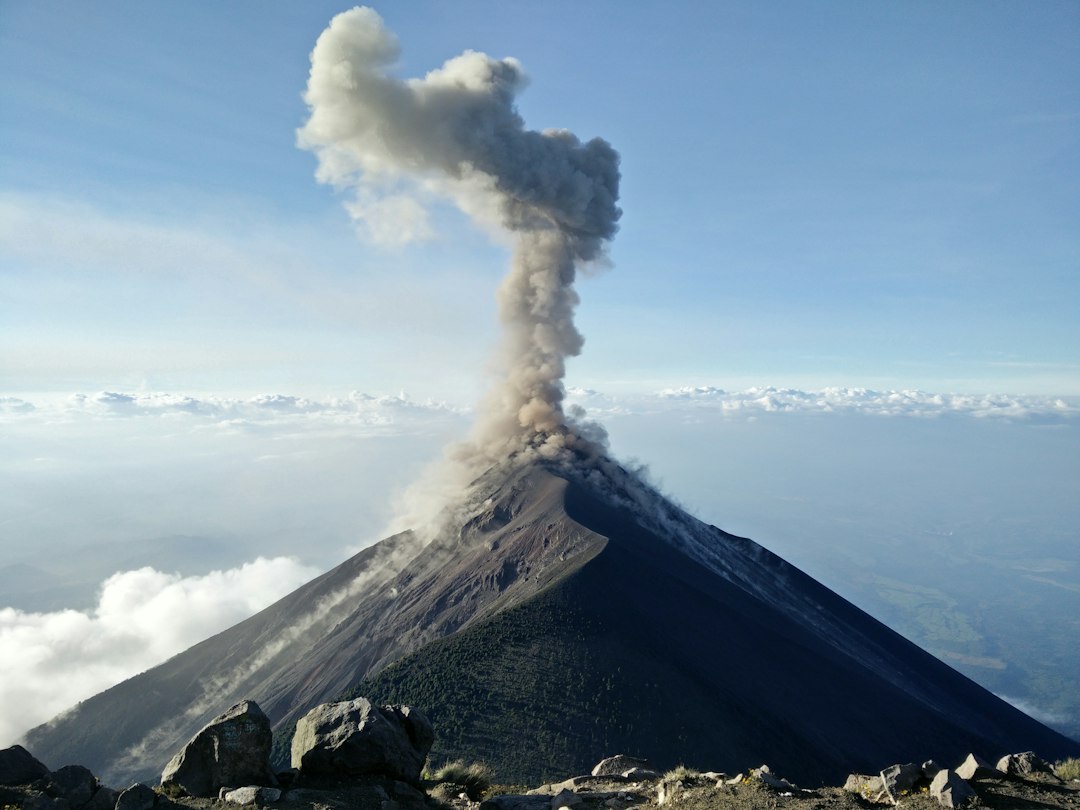
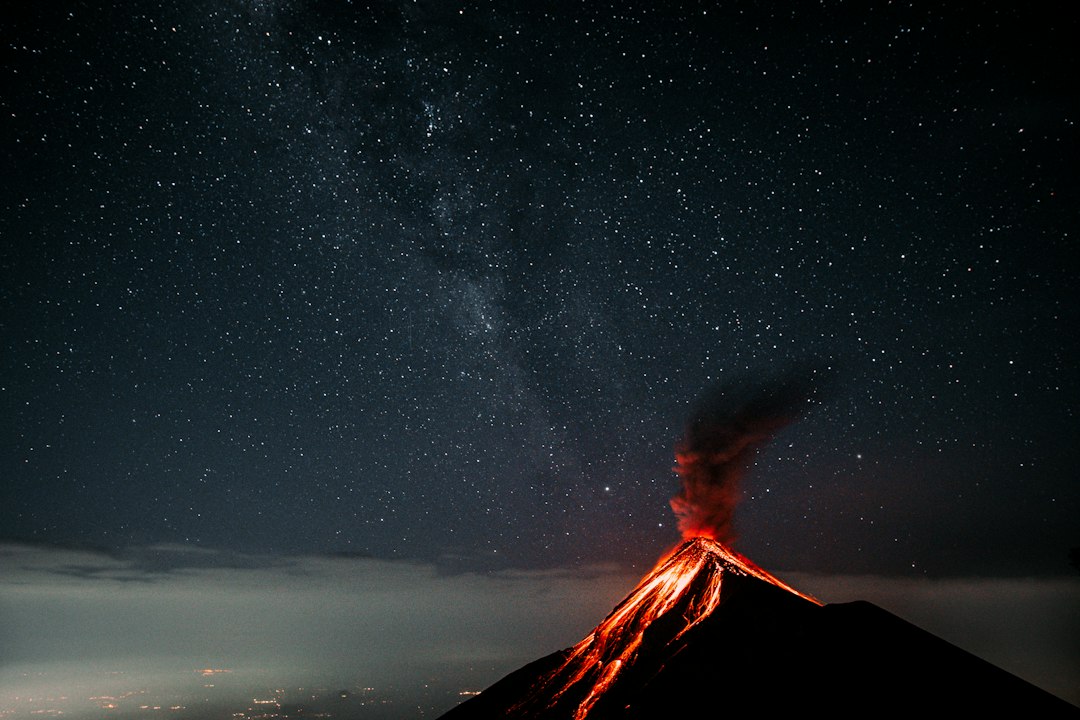
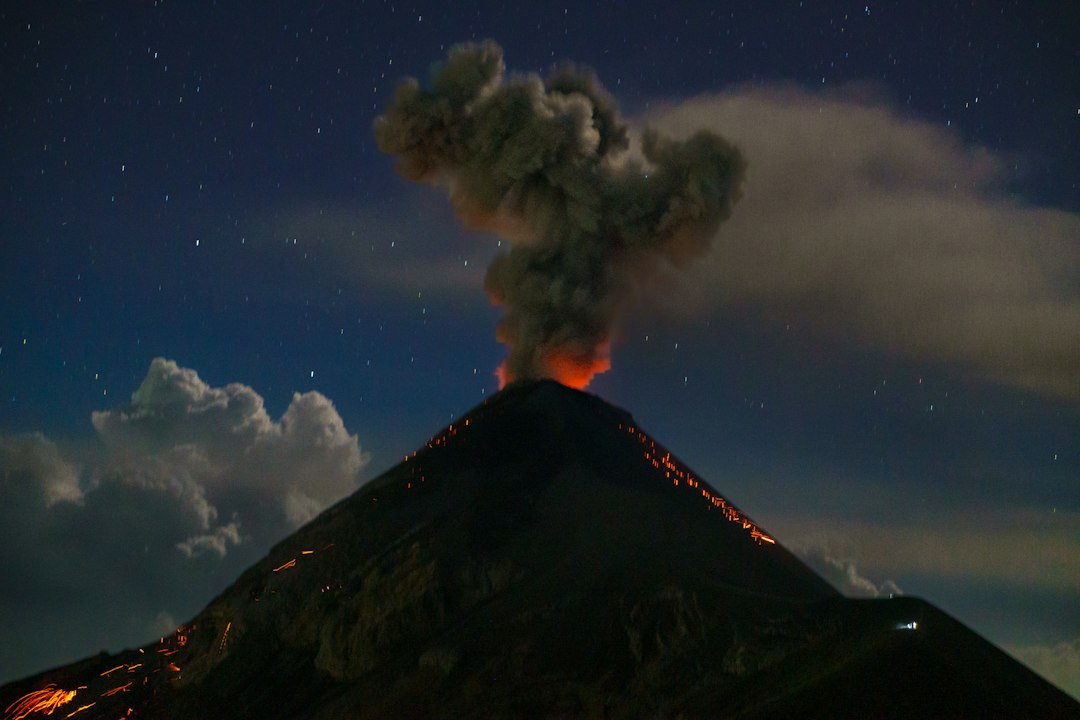
The town is located on the shores of Lake Villarrica, and the volcano is visible from practically every corner of the center. This constant presence — the perfect cone with the plume of smoke rising into the blue sky — is part of the very experience of the place. From the center of Pucón, the volcano is about 15 kilometers away in a straight line, and the agencies reach the starting point of the excursion by bus in less than thirty minutes.
What to know before leaving
The Villarrica is classified as a volcano in a state of permanent alert by SERNAGEOMIN, the Chilean geological service that monitors volcanic activity in the country. When the alert level rises, authorities close access to the volcano without warning. It has happened that groups of tourists arriving in Pucón found the ascent closed for entire days. Planning at least two or three days of stay in the area significantly increases the chances of successfully completing the hike.
The required physical condition is good but not exceptional: the ascent takes about five hours and the overall elevation gain is about 1,400 meters from the starting point. Those who suffer from vertigo or have respiratory problems should consult a doctor before attempting the ascent, as exposure to volcanic gases near the crater is inevitable even with a mask. Bringing plenty of water, energy food, and high-protection sunscreen is essential: the reflection of the sun on the snow is intense and the wind at altitude quickly depletes fluids.


