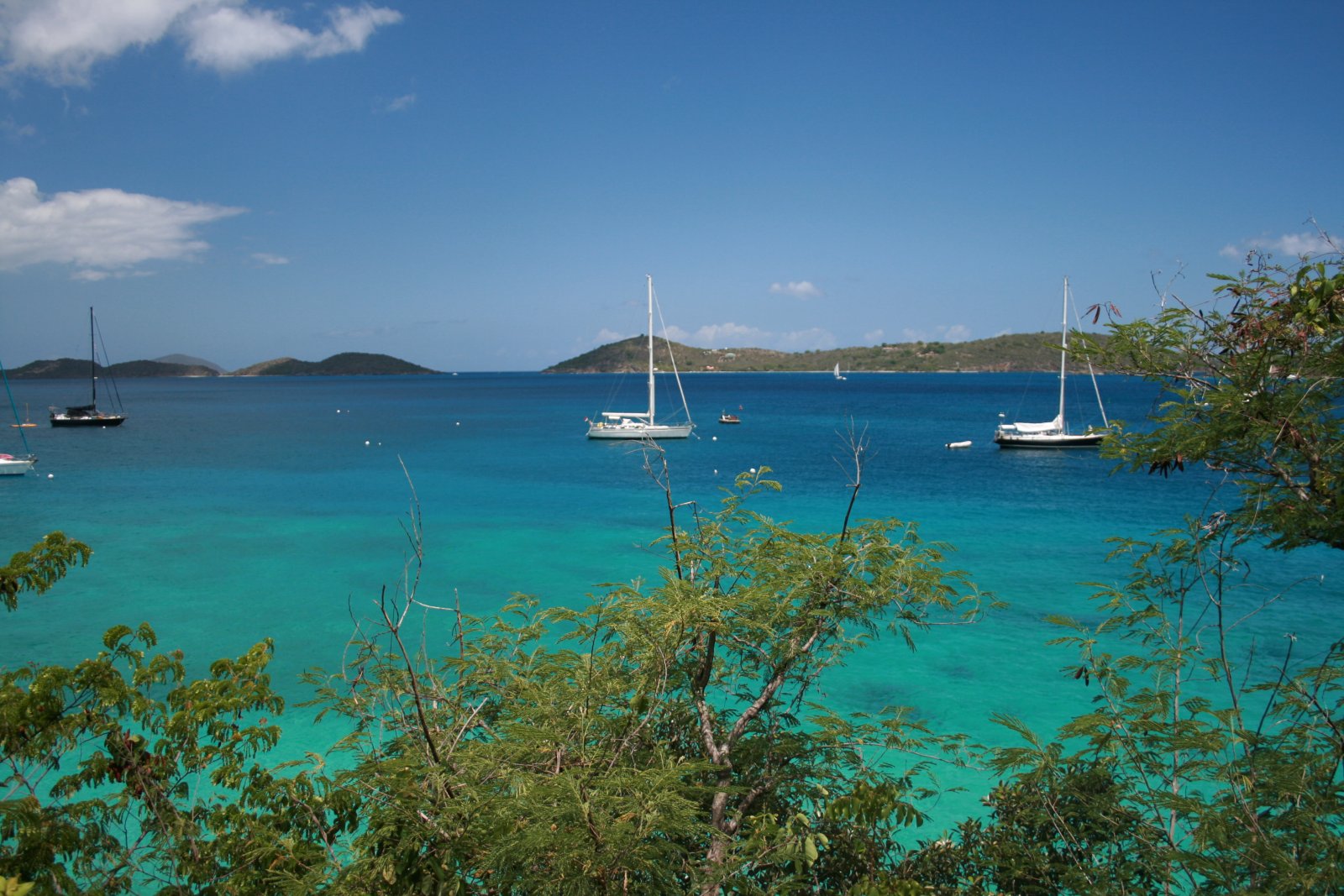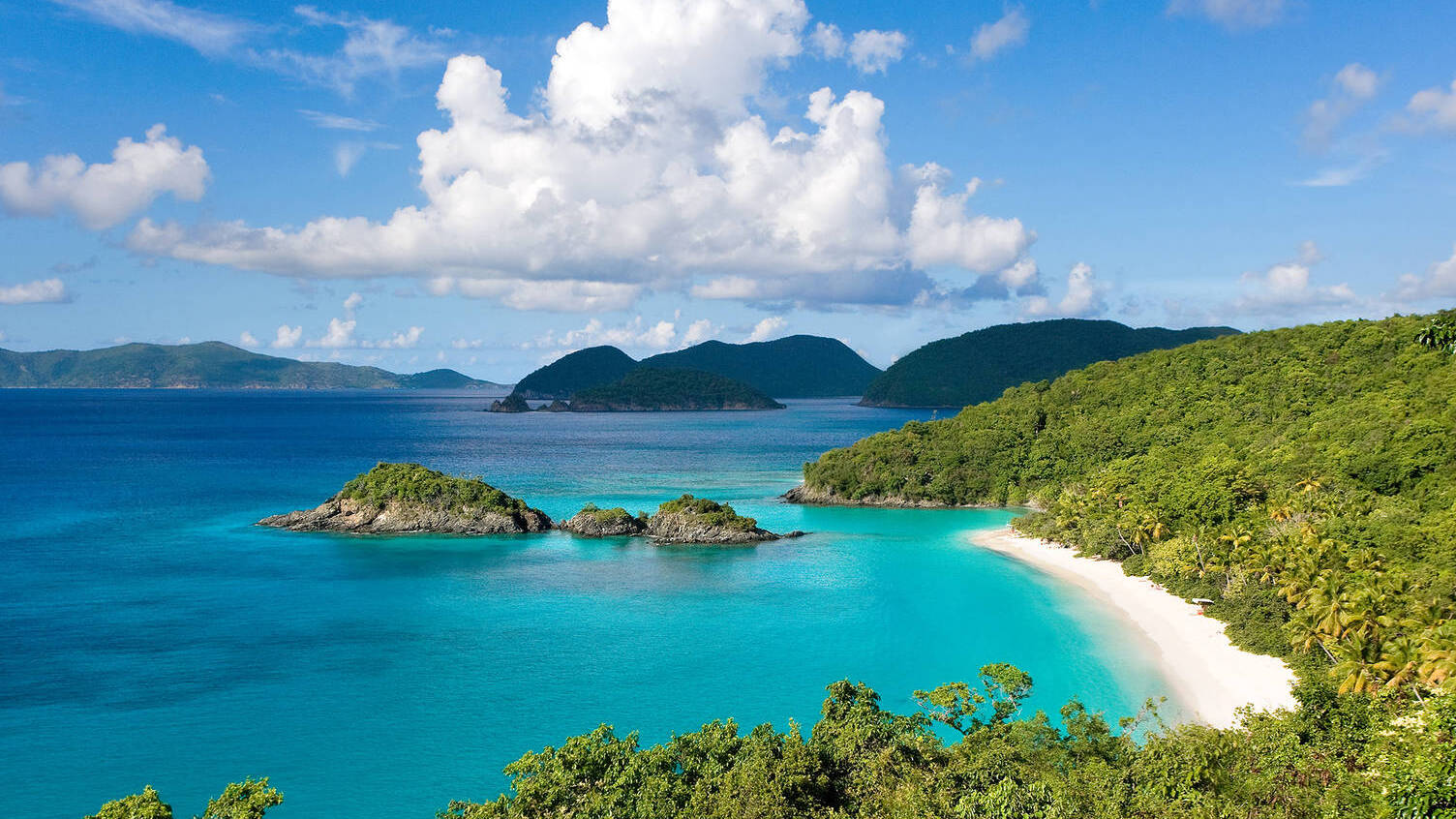

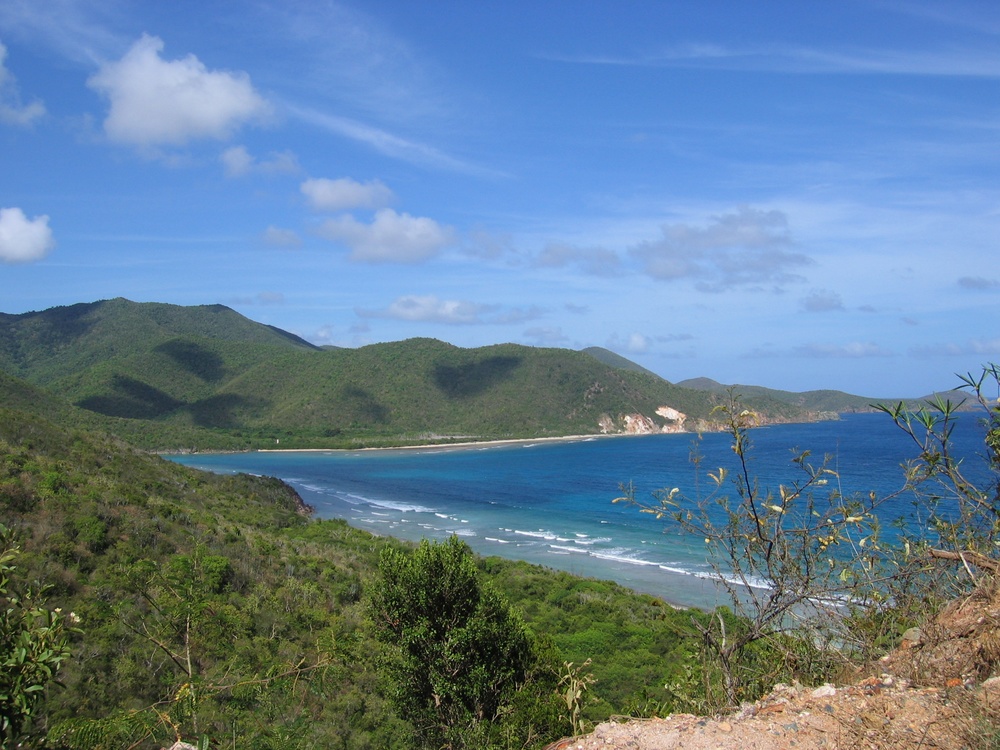
Nestled in the heart of the U.S. Virgin Islands, Virgin Islands National Park is a stunning testament to both natural beauty and rich history. More than two-thirds of St. John is protected as part of this national park, making it a sanctuary for those seeking both adventure and tranquility. Its creation in 1956 marked a significant step in preserving the unique ecology and cultural heritage of the area, stemming from the island's ancient civilizations, which date back over a thousand years.
### History and Origins The history of Virgin Islands National Park is deeply intertwined with the island's indigenous peoples, particularly the Taino and Carib tribes, who thrived here long before European contact. By the late 15th century, Christopher Columbus arrived, claiming the islands for Spain. The subsequent centuries saw the arrival of Danish settlers in the 18th century, who established sugar plantations, bringing enslaved Africans whose labor would shape the island’s economy.
The park was born from a movement to protect St. John's stunning beauty and its historical remnants. In the 1950s, a group of philanthropists, including Laurance S. Rockefeller, played a crucial role in advocating for the establishment of the park. Their efforts culminated in the official designation of the park in 1956, preserving vital ecosystems and historical sites for generations to come.
### Art and Architecture While the park is primarily known for its natural beauty, it also boasts remarkable remnants of 18th-century sugar plantations and stone ruins that tell the story of the island’s colonial past. Visitors can explore the remains of Annaberg Plantation, where the sugar cane was once processed and learn about the harsh realities faced by enslaved people through interpretive signage and guided tours.
The architecture here reflects a blend of colonial influences, with stone structures that have weathered the test of time. These ruins are not just picturesque; they serve as a poignant reminder of the island's complex history and the resilience of its inhabitants.
### Local Culture and Traditions The culture of St. John is vibrant and steeped in tradition, heavily influenced by the island's diverse history. Local customs often celebrate the African heritage that remains a significant part of the community. Festivals like the Festival of St. John, typically held in late June, showcase local music, dance, and cuisine, drawing residents and visitors alike into a lively celebration of the island's identity.
Junkanoo, a traditional Caribbean parade featuring colorful costumes and rhythmic music, is another cultural highlight. This festival, often celebrated during Christmas and New Year, embodies the spirit of the local community and its rich heritage.
### Gastronomy No visit to Virgin Islands National Park would be complete without indulging in local cuisine. Traditional dishes often feature fresh seafood, rice and peas, and succulent stews. Conch fritters and fish tacos are popular among visitors, while the national dish, goat stew, offers a taste of the local flavor.
For those seeking refreshment, tropical drinks like mahi mahi cocktails and painkillers—a delightful blend of rum, coconut cream, pineapple juice, and orange juice—are must-tries. These drinks perfectly complement a day spent exploring the park's stunning beaches and trails.
### Lesser-Known Curiosities Beyond its breathtaking landscapes, Virgin Islands National Park holds many hidden gems. For instance, the Petroglyphs at Ginger Thomas reveal ancient rock carvings made by the island's early inhabitants, yet few visitors venture to see them.
Another intriguing aspect is the Coral Bay area, less frequented than the more popular Cruz Bay, offering visitors a glimpse into a quieter side of island life. Here, you can find local artisans and small eateries that showcase the charm of St. John.
### Practical Visitor Information The best time to visit Virgin Islands National Park is during the dry season, from December to April, when the weather is pleasantly warm and ideal for hiking and beach activities. However, if you prefer fewer crowds, consider visiting in the shoulder seasons of late April to June or late November to early December.
When planning your visit, wear sturdy shoes, carry plenty of water, and don’t forget your camera to capture the stunning scenery. Look out for the park's diverse wildlife, including the rare Virgin Islands tree boa and various bird species, which add to the enchanting experience.
In conclusion, Virgin Islands National Park is not just a destination; it’s a journey through time, nature, and culture. With its rich tapestry of history, vibrant local traditions, and breathtaking landscapes, it invites exploration and reflection.
To truly enhance your visit, consider using the Secret World app to plan a personalized itinerary that captures the essence of this remarkable park.