



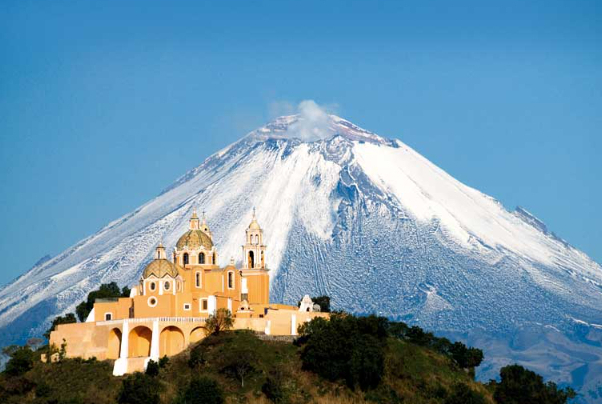
Volcán Popocatépetl, known as the "smoking mountain," is not just a geological wonder but a symbol steeped in Mexican history and culture. Rising majestically to 5,426 meters, it is the second-highest volcano in North America, located about 70 kilometers southeast of Mexico City. This iconic stratovolcano, with its glacier-clad summit and a crater measuring between 250 to 450 meters deep, has captured the imagination of locals and visitors alike for centuries.
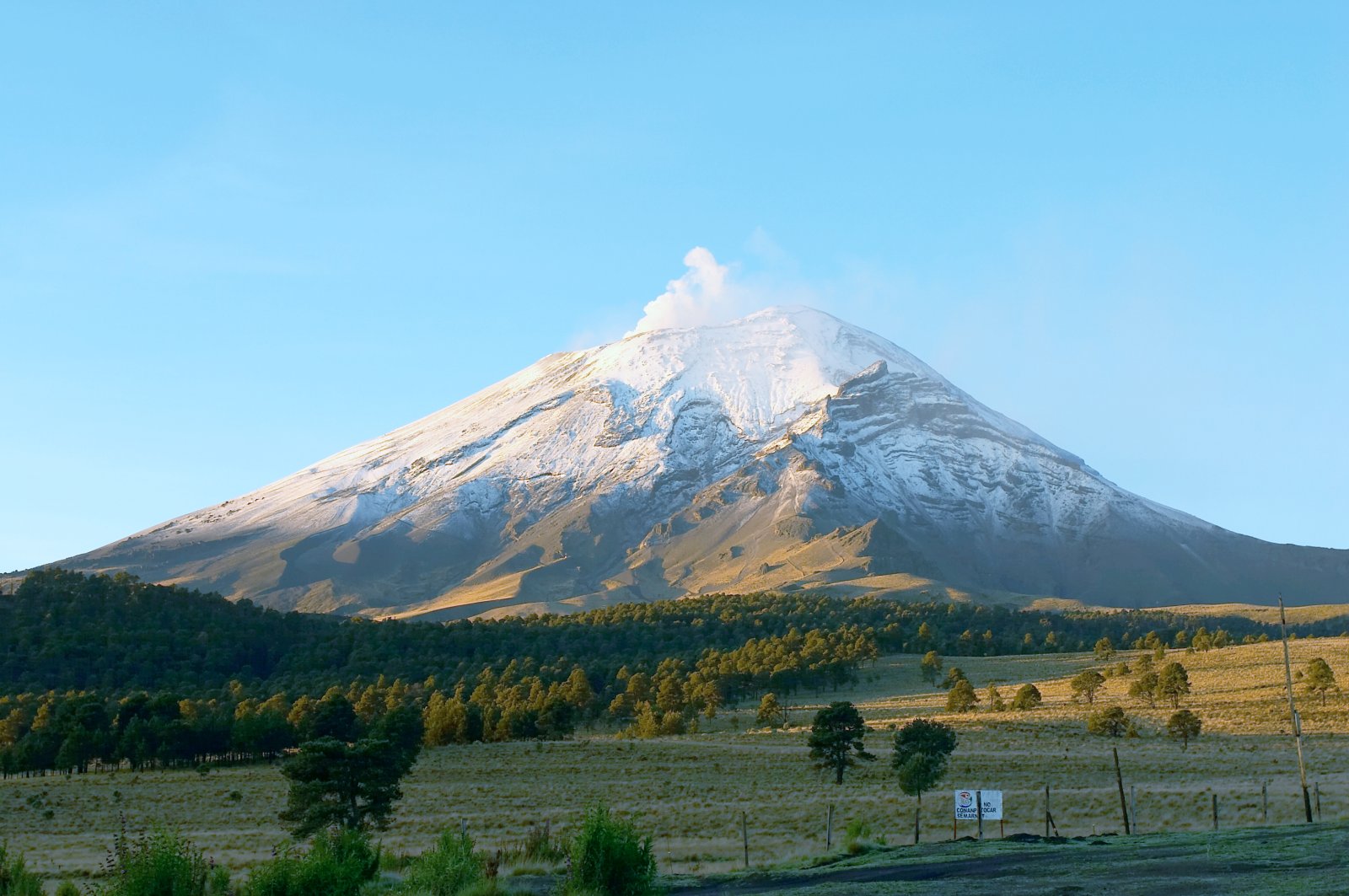
The origins of Popocatépetl are rooted in both geological and mythological narratives. The name itself comes from the Nahuatl language, reflecting the indigenous Aztec people's reverence for the mountain. According to legend, Popocatépetl was a warrior who fell in love with Iztaccíhuatl, a princess who died of grief. In their honor, the gods turned them into mountains, eternally watching over one another. This story is woven into the cultural fabric of the region and highlights the volcano's significance in Mesoamerican mythology.
Throughout history, Popocatépetl has experienced numerous eruptions, with significant activity recorded as early as the pre-Columbian era. The Aztecs documented these events in their codices, marking the volcano as both a life-giver and a destroyer. The most recent major eruption occurred in 800 AD, and since then, it has been a focal point of both fear and awe. The Pleistocene epoch saw the destruction of earlier volcanic cones, with massive debris flows shaping the landscape south of the current volcano. This geological history adds layers of intrigue for those seeking to understand the forces of nature at work.
When it comes to art and architecture, the area surrounding Popocatépetl is rich with colonial and indigenous influences. The nearby town of Amecameca, often considered the gateway to the volcano, features stunning colonial-era churches, including the Parroquia de San Salvador. The local artisans also reflect the cultural heritage through their crafts, with textiles, pottery, and woodwork showcasing traditional techniques passed down through generations. Notably, the Tlaxcalan murals depict stories of the region's history, providing a visual narrative that complements the oral traditions surrounding the volcano.
The local culture is vibrantly alive, particularly during festivals that honor the mountain. Each December 12, locals celebrate the Feast of the Virgin of Guadalupe, a day filled with processions, music, and traditional dances. The Day of the Dead is another significant event, where families gather to honor their ancestors, often incorporating elements that reflect the connection to Popocatépetl. This intersection of reverence for the volcano and cultural practices underscores its importance as a natural and spiritual landmark.
When it comes to gastronomy, the region surrounding Popocatépetl offers a rich tapestry of flavors. One must try mole poblano, a complex sauce made from a blend of chiles, spices, and chocolate, often served with turkey or chicken. Locals also enjoy tlacoyos, thick corn tortillas filled with beans, cheese, or potatoes, typically topped with fresh salsa. Pair these dishes with a refreshing pulque, a traditional alcoholic beverage made from fermented agave sap. This local fare captures the essence of the region, inviting visitors to indulge in the tastes that have been cherished for centuries.
For the adventurous traveler, there are several lesser-known curiosities about Popocatépetl that often go unnoticed. For instance, the volcano's unique microclimate supports a variety of flora and fauna, some of which are endemic to the region. Additionally, the glacial ice atop Popocatépetl is a crucial water source for the surrounding communities, making its preservation vital for local agriculture. Visitors might also encounter the Xoloitzcuintli, an ancient breed of dog believed to be a guide for souls in the afterlife, often seen in local markets.
If you're planning a visit, the best time to explore Popocatépetl is between November and April, when the weather is generally milder and the skies clearer. It is essential to check for any volcanic activity updates, as the mountain is closely monitored due to its frequent eruptions. Hikers should be prepared for varying conditions, and those interested in climbing should consider hiring a local guide familiar with the terrain.
In conclusion, a journey to Volcán Popocatépetl is not just about witnessing a natural marvel; it is an immersion into an extraordinary blend of culture, history, and the breathtaking beauty of Mexico. As you plan your adventure, consider using the Secret World app to create a personalized itinerary that uncovers the hidden gems of this remarkable region.
