
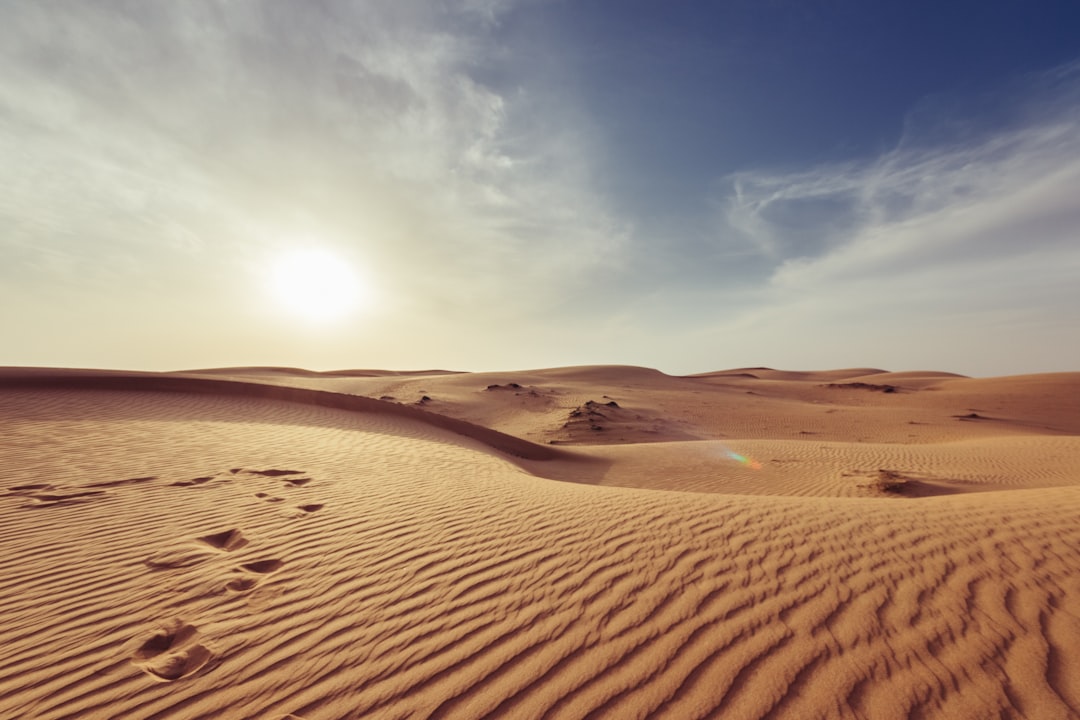

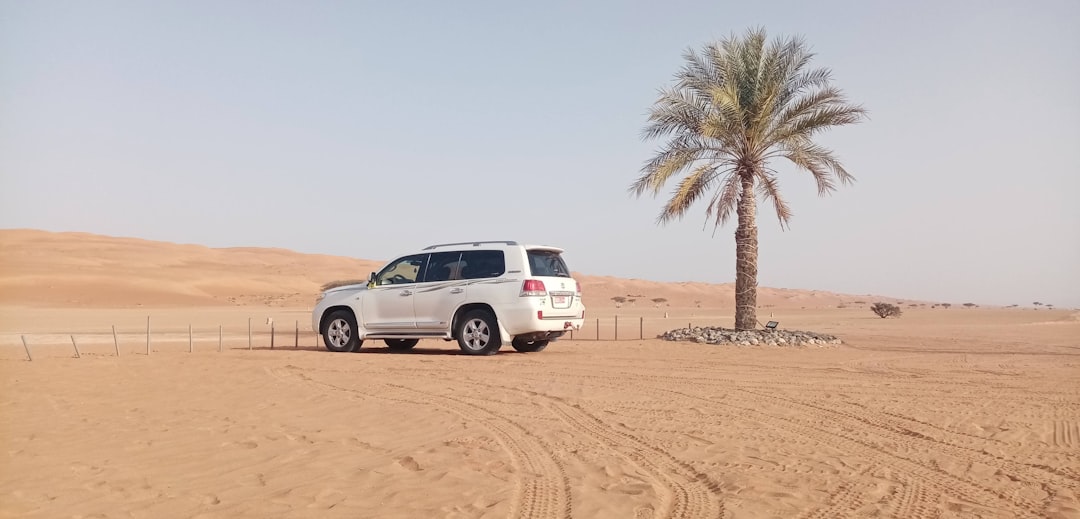
The heat hits before you even get out of the SUV. The dunes of the Wahiba Sands — also known as the Sharqiyah Sands — stretch over 12,000 square kilometers in the eastern region of Oman, about 200 kilometers south of Muscat. It is not a flat desert: it is a choppy sea of golden sand, with crests that in some places exceed 100 meters in height, sloping on one side and steep on the other, shaped by seasonal winds that change direction twice a year.
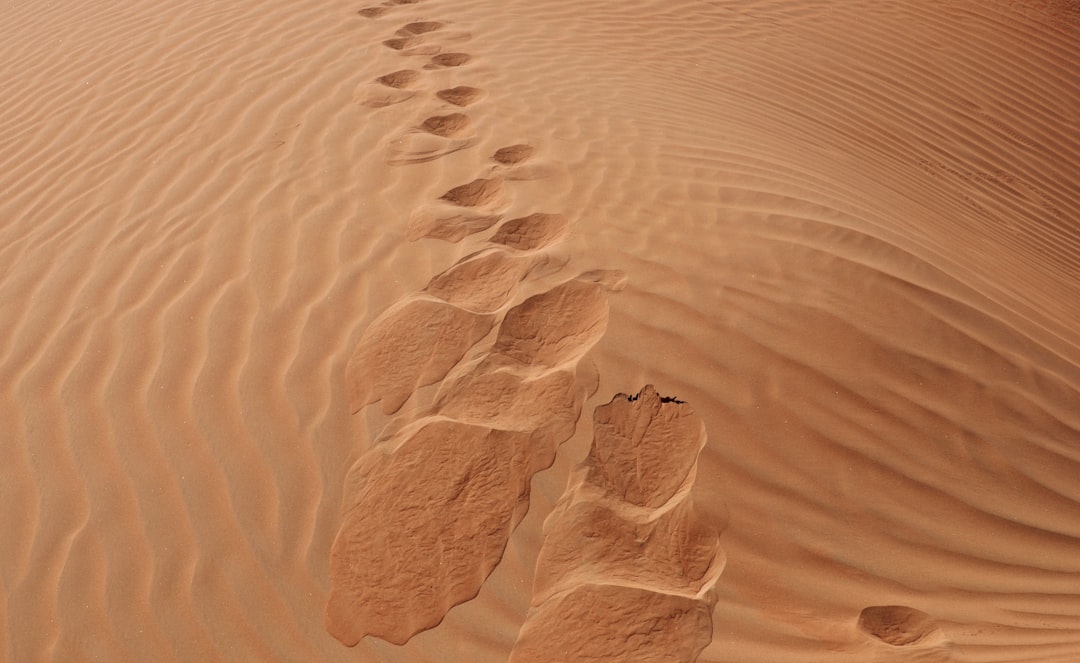
Walking here is not like walking on a beach. Every step sinks, the ankles work differently, and the silence — interrupted only by the wind moving grains of sand — is physically palpable. The Wahiba Sands are not a park equipped with marked trails: they are a living territory, inhabited for centuries by the Wahiba Bedouin tribes, who still live in this region and from whose presence the desert takes its name.
The walking paths among the dunes
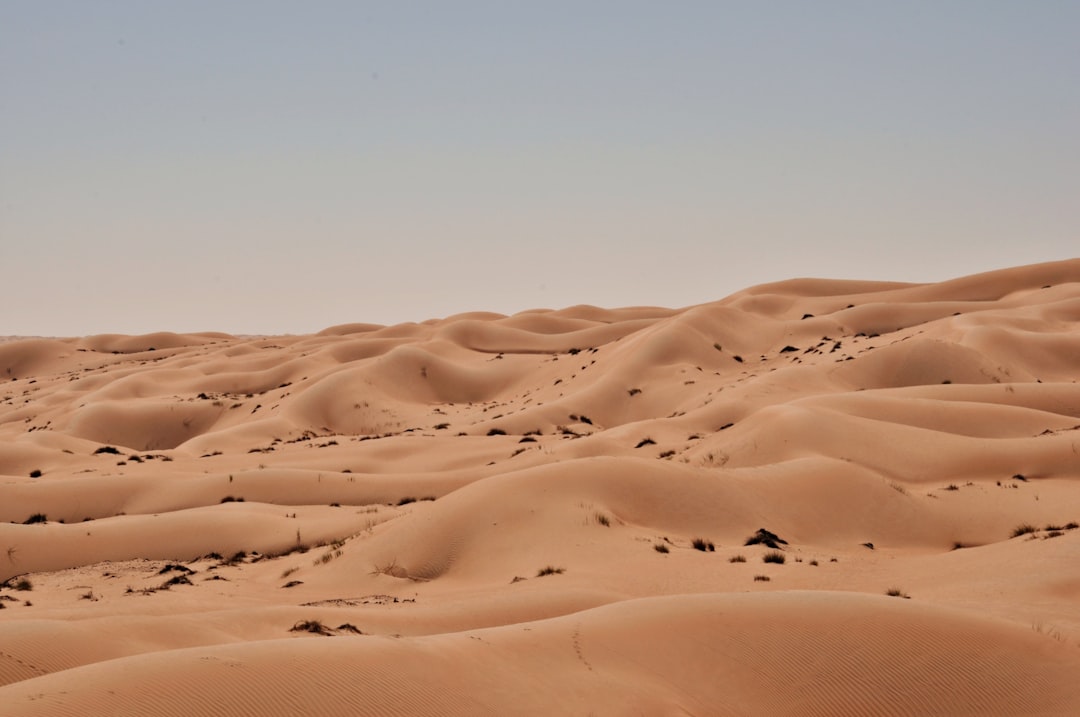
The treks in the Wahiba Sands do not follow fixed routes. Local guides — often members of Bedouin communities — lead visitors along itineraries that change based on the season, the direction of the wind, and the time of day. The most common route starts from the tented camps in the area of Al Wasil, the village that serves as the main gateway to the desert, and develops by climbing the crests of the highest dunes in the early morning hours.
Climbing a high dune requires technique: one walks diagonally along the compact side, avoiding the slippery side. From the top, the view opens up to a rolling landscape that shows no visible boundaries in any direction. Along the way, it is possible to encounter tracks of nocturnal animals — desert foxes, sand snakes, and the characteristic marks left by the darkling beetles that live among the grains. A keen eye finds life everywhere, even where it seems that nothing exists.
The Bedouin Camp: Sleeping in the Desert
The experience of staying overnight in a Bedouin camp is the heart of the journey in the Wahiba Sands. The camps — some simple, others more structured with furnished tents and amenities — are located throughout the interior of the desert, accessible only by 4x4 vehicles. The typical dinner includes shuwa, a traditional Omani dish of meat slowly cooked under the sand in pits with embers, served with rice flavored with local spices.
At night, far from any light pollution, the sky of the Wahiba Sands is one of the clearest that can be observed in the Arabian Peninsula. The Milky Way is visible to the naked eye for much of the year, and on moonless nights, the stars cast light shadows on the sand. Waking up before dawn to walk to the nearest dune and witness the sunrise is an experience that many visitors cite as the most intense moment of their stay.
What to observe along the way
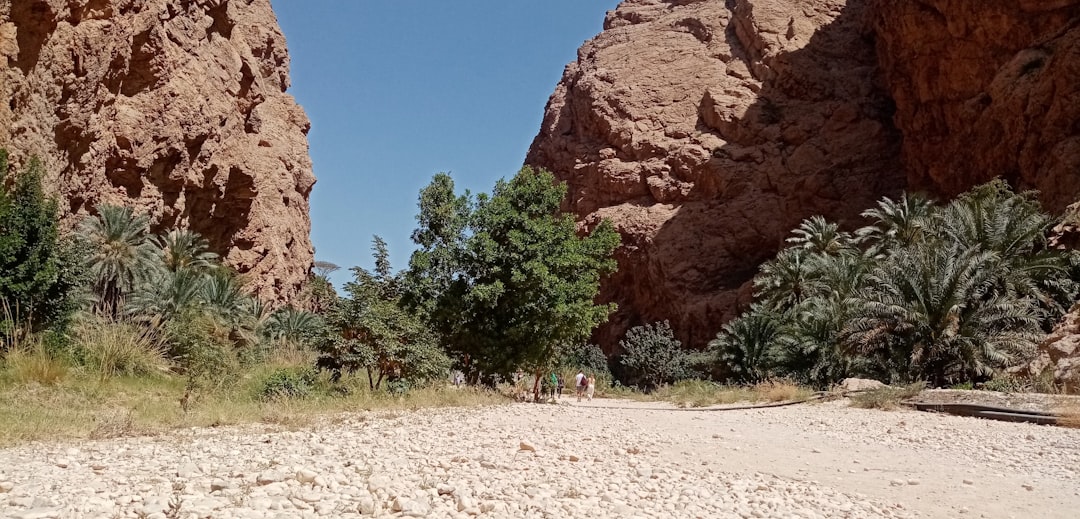
During the central hours of the day, when the heat is most intense, the guides lead visitors to the areas of spontaneous vegetation that dot the desert: tufts of ghaf (Prosopis cineraria), one of the few plants capable of surviving with roots that reach deep aquifers, and bushes of senna that bloom after the rare winter rains. These green islands are often where Bedouin families build their seasonal camps.
In the more interior areas of the desert, away from the tourist camps, it is still possible to encounter Bedouin shepherds with dromedaries. The dromedaries of Wahiba — a local breed selected over the centuries to withstand extreme heat — are still raised for milk production and for racing, which is very popular in Oman. Watching a group of dromedaries move among the dunes at sunset remains one of the most unforgettable visual details.
Practical tips for visiting the Wahiba Sands
The best time to visit the Wahiba Sands is between October and March, when daytime temperatures remain between 25 and 35 degrees. From June to August, the desert can exceed 50 degrees and trekking becomes dangerous. To reach Al Wasil from Muscat, the most direct route takes Route 23 towards Nizwa and then Route 32 east: the journey takes about 2.5-3 hours by car. A 4x4 vehicle is essential to enter the actual desert — regular traction cars get stuck in the soft sand even at the edges.
Bringing at least 3 liters of water per person for each hiking trip is the most repeated advice from local guides, even in the cooler seasons. The sand reflects heat and dehydration occurs more quickly than expected. The tented camps offer packages that include transportation, dinner, overnight stay, and breakfast with prices varying based on the level of comfort, but booking in advance — especially during peak season — is strongly recommended to secure a spot in the camps closest to the highest dunes.


