


Beneath the verdant hills of New Zealand's North Island lies a world so mesmerizing that it seems almost otherworldly. The Waitomo Caves, a network of limestone caverns, unveil a hidden universe where the ceilings twinkle with the soft, ethereal glow of bioluminescent glow-worms. This spectacular phenomenon has been enchanting visitors since its discovery in 1887 by the local Māori chief Tūwharetoa, who recognized the caves not only as a natural wonder but as a significant cultural site.

The history of the Waitomo Caves is steeped in Māori legend and tradition. For centuries, the local iwi (tribes), particularly the Ngāti Tūwharetoa, have shared stories of the caves, weaving their rich narratives into the fabric of their identity. The name "Waitomo" itself translates to "water hole", reflecting the importance of water in Māori life and spirituality. The caves were historically used as a refuge and a place for sacred rituals, making them a cornerstone of cultural heritage long before they became a tourist destination.
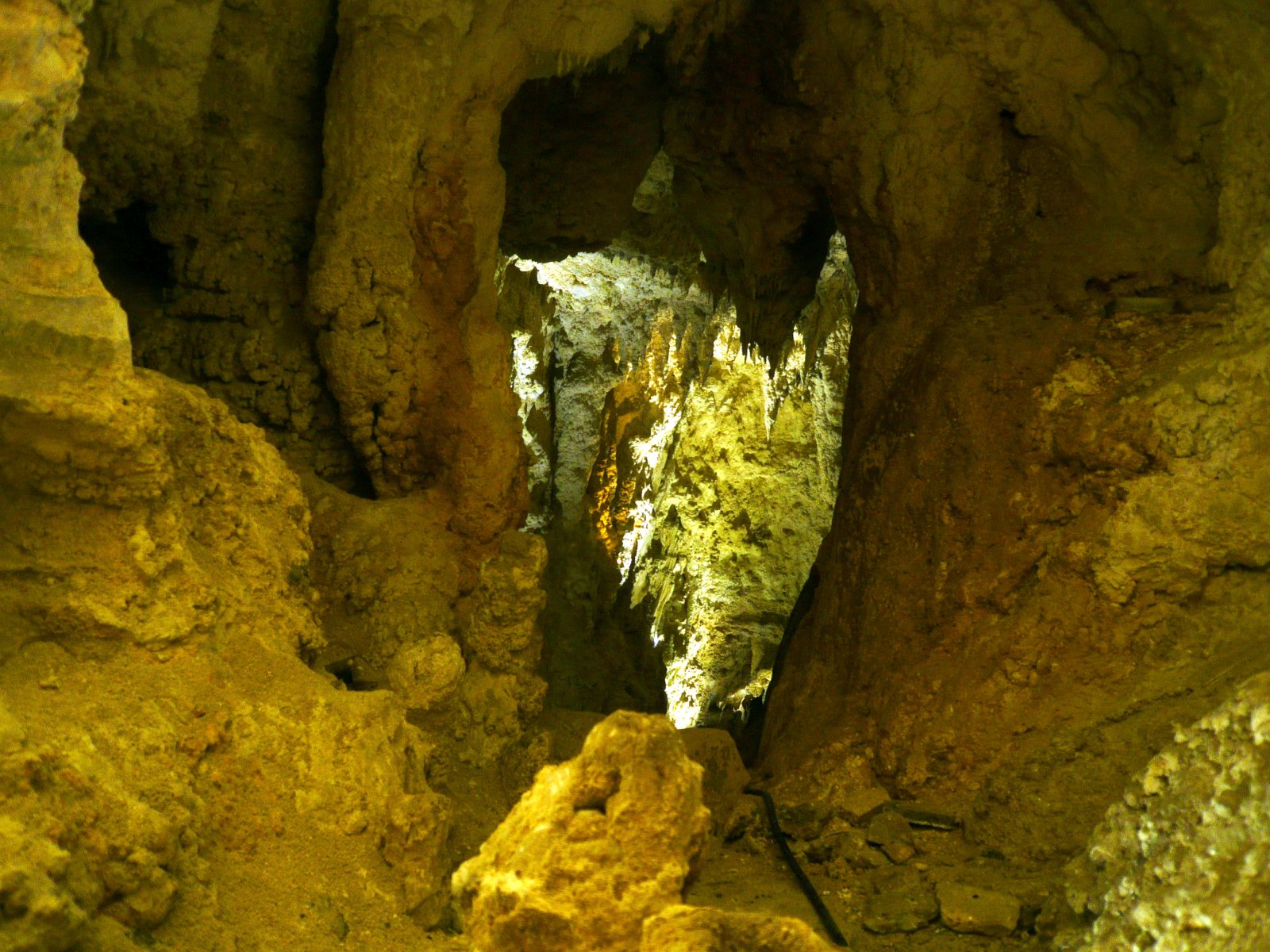
From an architectural perspective, the Waitomo Caves are a testament to the artistry of nature. The intricate formations of stalactites and stalagmites are complemented by the stunning glow-worm displays, which are the larvae of a species known as Arachnocampa luminosa. These unique organisms create silk threads that catch and trap prey, illuminating the cave ceilings like a celestial night sky. This natural artistry has inspired local artists and photographers, who strive to capture the enchanting beauty of the caves.
Local culture is deeply intertwined with the Waitomo Caves. The Māori people celebrate their connection to the land and its history through various customs and festivals. One notable event is the Kapa Haka, a traditional Māori performance that showcases dance, music, and storytelling, often held in the surrounding areas. Visitors can engage with the local community through cultural experiences that include traditional weaving and carving, offering a glimpse into the lives and customs of the Māori people, which are infused with respect for nature and ancestry.
When it comes to gastronomy, the region surrounding Waitomo offers a taste of authentic New Zealand fare. Local eateries often serve dishes featuring fresh produce and meats, such as venison, lamb, and green-lipped mussels. Don't miss out on trying hangi, a traditional Māori method of cooking where food is slow-cooked in an underground oven, which reflects the blending of local ingredients and ancient cooking techniques. Pair your meal with a glass of Māori-made craft beer or a local Sauvignon Blanc to savor the flavors of the region.
For those seeking lesser-known curiosities, the Waitomo Caves have a few surprises up their sleeve. One intriguing fact is that the caves have been used for more than just tourism; they served as a hideout during the New Zealand Wars in the 1860s. Additionally, the caves are home to unique ecosystems, including rare species of insects and plants that are found nowhere else on Earth. The caves were also used as a filming location for the 2005 movie The Lion, the Witch and the Wardrobe, showcasing their dramatic, otherworldly landscapes.
Timing your visit to the Waitomo Caves can greatly enhance your experience. The best time to explore is during the summer months from December to February when the weather is mild, and the glow-worms are most active. Be sure to book a guided tour, which will provide fascinating insights into the geological and ecological significance of the caves as well as the cultural stories that have been passed down through generations. Look out for the Boat Tour, where you can drift silently through the glow-worm grotto, marveling at the luminescent display above you—a moment that feels like stepping into a fairy tale.
As you plan your adventure to this stunning natural wonder, consider using the Secret World app to create a personalized itinerary tailored to your interests and preferences.


