
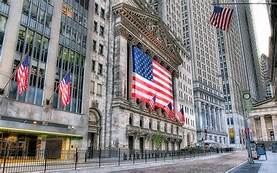

In the heart of one of the world’s most vibrant cities lies Wall Street, a name synonymous with financial power and economic influence. This bustling thoroughfare in Lower Manhattan is not just the epicenter of global finance; it's a living tapestry of history, culture, and architectural grandeur that has shaped not only New York City but the world at large.
Wall Street’s origins date back to the early 17th century when it formed the northern boundary of the New Amsterdam settlement, a Dutch colony. Its name is derived from the wooden wall erected by the Dutch in 1653 to protect against English invasion and Native American raids. This wall was dismantled in 1699, but the name stuck, evolving into a symbol of economic ambition and prosperity. The Buttonwood Agreement of 1792, which laid the groundwork for what would become the New York Stock Exchange (NYSE), was signed here under a buttonwood tree, marking a pivotal moment in financial history.
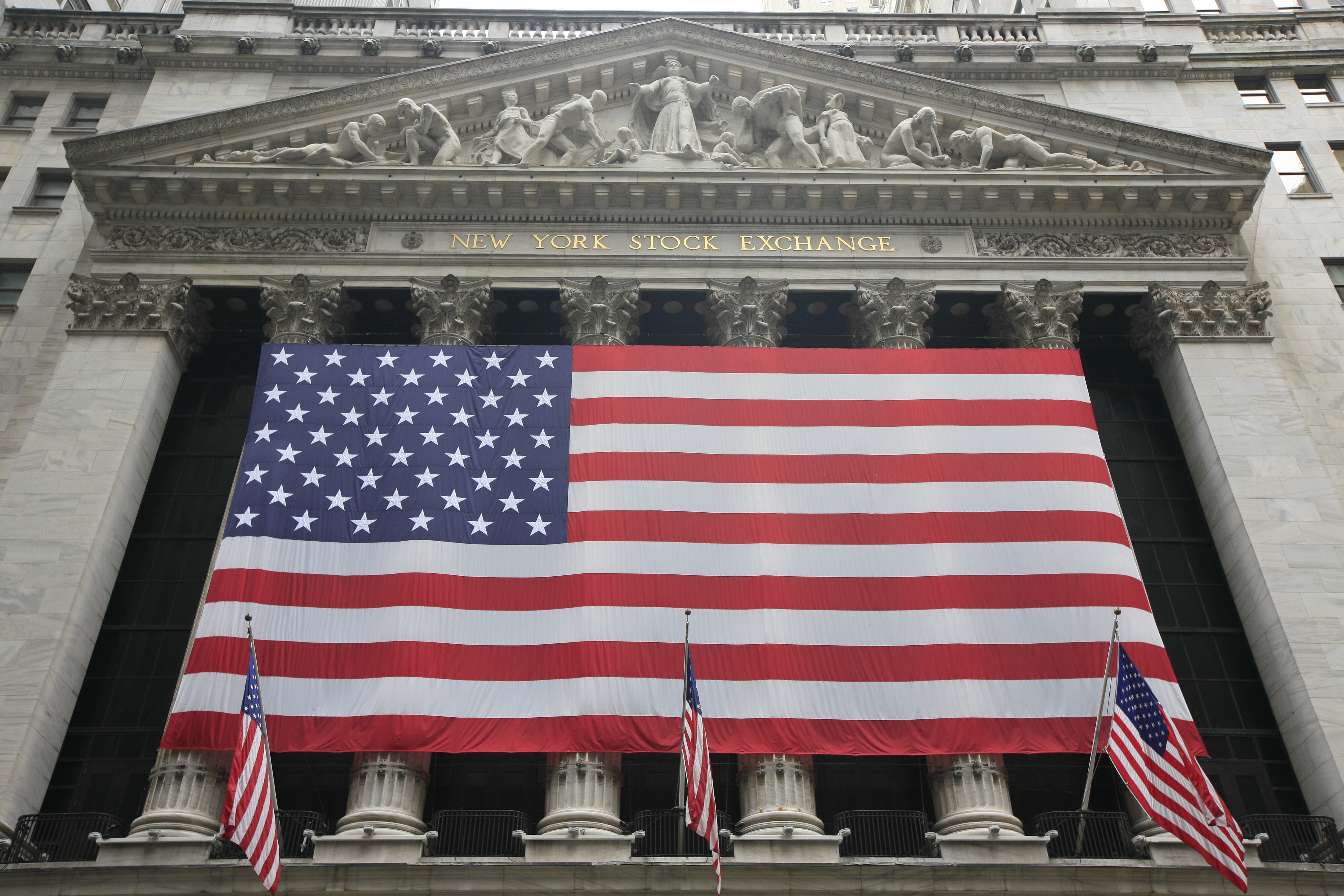
The architectural landscape of Wall Street is a testament to its prestigious past. The New York Stock Exchange Building, with its grand neoclassical facade and towering Corinthian columns, stands as an icon of American capitalism. Nearby, the Federal Hall National Memorial offers a glimpse into the nation’s early years. This Greek Revival building, where George Washington took his oath of office as the first President of the United States, is a must-see for history enthusiasts. The artistry is not confined to architecture; the Charging Bull sculpture, a fearless emblem of financial optimism, attracts visitors from around the globe.
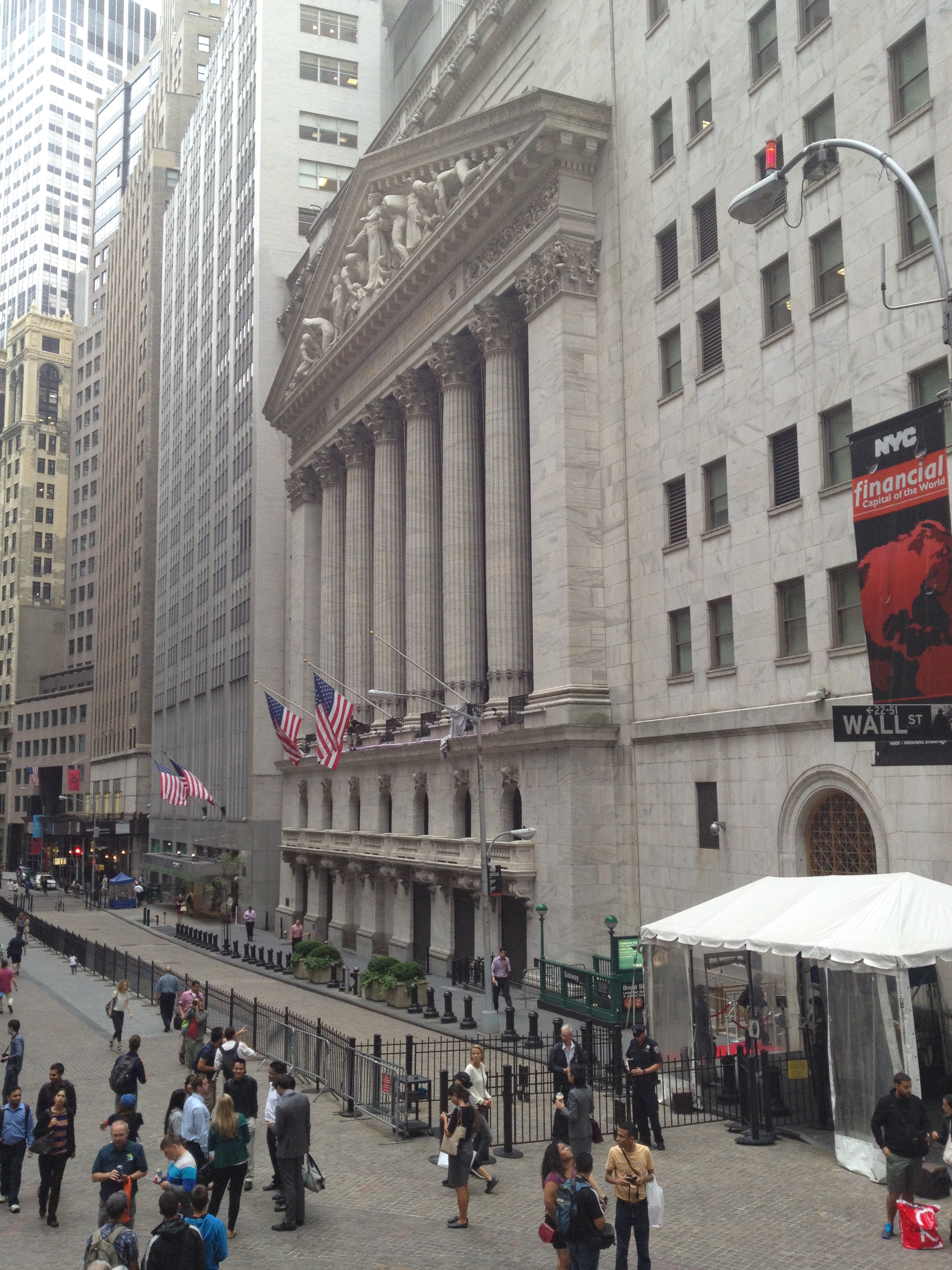
Culturally, Wall Street is a microcosm of New York’s diverse spirit. It’s a place where tradition meets innovation, witnessed in the hectic energy of the trading floors and the quiet reverence of historic landmarks. Although not typically associated with festivals, Wall Street reflects New York’s broader cultural celebrations, such as the annual New Year’s Eve ball drop and the vivid parades of Cultural Heritage Festivals that color the city's streets.
Gastronomy in the Wall Street area caters to a palate as diverse as its visitors. While the financial district is a hub for upscale dining, with steakhouses like Delmonico's offering classic American fare, it also provides more casual options. Food trucks and local delis serve everything from bagels to international cuisines, reflecting the city’s melting pot nature. The nearby Stone Street Historic District offers a charming escape with its cobblestone streets lined with eateries and pubs, perfect for enjoying a craft beer or a slice of New York-style pizza.
Beyond the obvious, Wall Street holds lesser-known curiosities. The Museum of American Finance, situated on the street, offers a deep dive into the history of finance, featuring exhibits on everything from Alexander Hamilton’s financial policies to the stock market crash of 1929. Another hidden gem is the Cunard Building, known for its stunning maritime-themed murals that harken back to the age of transatlantic liners.
For those planning to visit, the best time to explore Wall Street is during the spring or fall when the weather is pleasant, and the sidewalks are bustling but not overcrowded. Weekdays offer a glimpse into the street’s vibrant daily hustle, while weekends provide a quieter atmosphere to appreciate the architecture and history. Visitors should wear comfortable shoes for walking and consider a guided tour to uncover stories that aren’t readily visible.
In its 0.7-mile stretch, Wall Street encapsulates a rich tapestry of history, culture, and innovation. It stands not just as a street but as a narrative of ambition and resilience, a place where past and present intersect amidst the towering skyscrapers of Lower Manhattan. Whether you're a history buff, an architecture aficionado, or simply curious about the pulse of global finance, Wall Street offers a unique journey through the heart of America’s financial saga.


