


I had three days in Copenhagen, a budget of about 400 euros, and zero desire to spend hours on TripAdvisor building a geographically sensible itinerary. Anyone who knows the Danish capital knows that the distances are deceptive: Nyhavn seems close to Christiansborg, but if you add Freetown Christiania and then want to return to Vesterbro for dinner, without precise logistics you end up pedaling like crazy or spending a fortune on the metro. So I decided to seriously test two tools: Wanderlog, which I have been using sporadically for a couple of years, and Secret World AI Trip Planner, which I was not familiar with.

I used both for six months on different destinations, but the most structured test I did was in Copenhagen in February 2026. I documented every interaction, compared the suggestions with reality on the ground, and took note of what worked and what didn’t. What follows is the honest account of that experience, without commercial filters.
What I asked the AI and how it responded

With Secret World AI Trip Planner, I started with a specific request: three days in Copenhagen, interests in contemporary architecture and Nordic cuisine, mid-high budget, no group tours. The AI responded with an itinerary divided by neighborhoods, not by individual attractions. The first day started in Indre By with a visit to Christiansborg Slot (free entry to the observation tower, about 45 minutes), then walking to Nyhavn (15 minutes), lunch with smørrebrød at Schønnemann with an estimated cost of 35-45 euros per person, and the afternoon at the Operahuset by Henning Larsen, reachable by ferry from the canal in 10 minutes. Concrete details, real distances, updated prices.
Wanderlog, on the other hand, gave me a list of points of interest without an obvious route logic: Tivoli, Little Mermaid, Nyhavn, Rosenborg Slot all in the same day, spread across four different neighborhoods. Useful as a database, less so as an intelligent planner. The difference is substantial: Secret World thinks like an experienced traveler, Wanderlog like a review aggregator.

The itinerary in detail: what really worked
On the second day in Copenhagen, the AI from Secret World suggested I start with the SMK, the National Gallery of Denmark, open from 10 AM, ticket 145 DKK (about 19 euros), with an estimated visit time of two hours for those who do not want to marathon through the rooms. Then on foot through Rosenborg Park to the castle (entrance 130 DKK), and a free afternoon in the Nørrebro neighborhood with recommendations for three noteworthy specialty coffee cafes. I followed this plan almost to the letter and it worked perfectly: no overlapping schedules, no neighborhood visited twice, realistic timing.
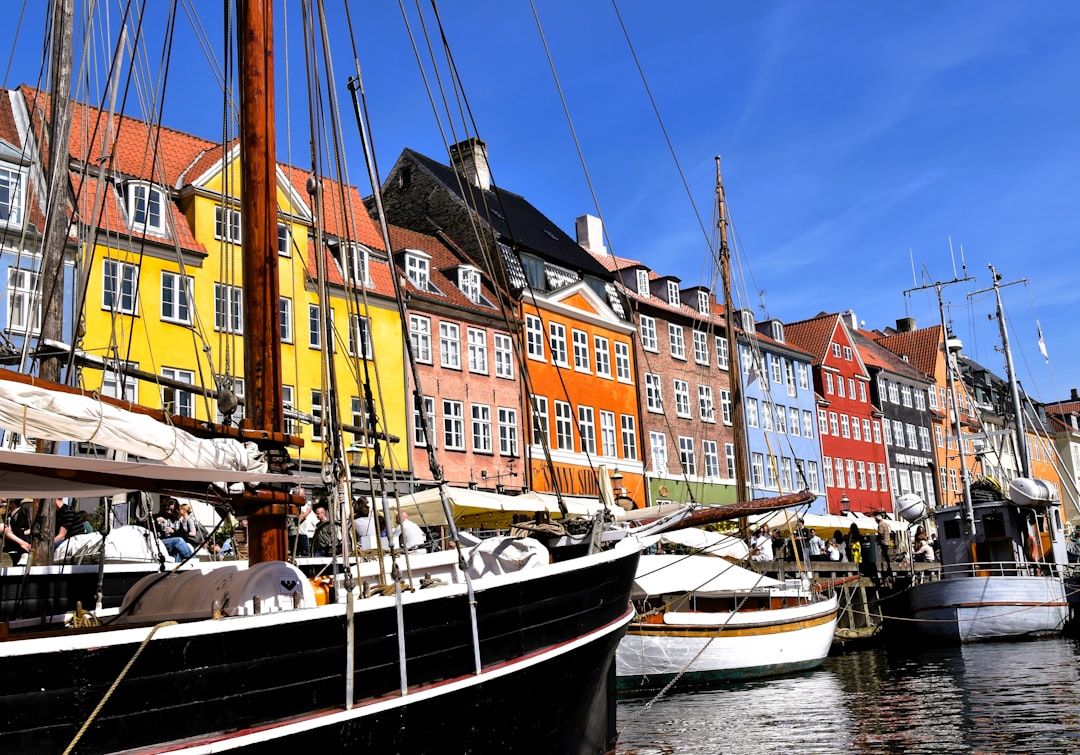
What struck me is that when I asked the AI to modify the itinerary because I wanted to add a visit to Freetown Christiania, it did not just insert it into any random gap. It explained that Christiania is best visited in the late afternoon when it is less crowded, moved the castle to the morning, and redesigned the route while maintaining geographical coherence. Wanderlog does not have this contextual reasoning ability: you can move the pins on the map, but you have to do the optimization yourself.
The Honest Comparison: Strengths and Limitations

Wanderlog remains a valid tool for those who want to keep track of bookings, flights, and hotels in one place. The interface is clean, the collaboration feature with other travelers works well, and the interactive map is convenient. But as an AI planner, it is still behind: the responses are often generic, it lacks updated prices, and there is no real personalization based on context.
Secret World AI Trip Planner clearly wins on the quality of planning. In Copenhagen, it demonstrated knowledge not only of the main attractions but also of practical details: winter opening hours of Tivoli (closed in February, information that many forget), the fact that the Copenhagen Card is only worth it if you visit at least four paid museums, and the difference between tourist ferries and the public ferries of line 991 that cost less. This level of detail changes the travel experience.
The final vote and why it deserves a 9/10
Give a Secret World AI Trip Planner a 9/10. The missing point is for the absence, at least in the version I tested, of a synchronization feature with existing bookings: if you already have a flight or hotel booked, you have to enter it manually in the context of the conversation. It's not a serious flaw, but compared to Wanderlog, which automatically aggregates confirmation emails, it's a gap that stands out.
However, the 9 is well-deserved for everything else. In six months of use on destinations including Copenhagen, Lisbon, and Berlin, the AI has produced itineraries that hold up to real-world testing, with accurate information and an ability to adapt to personal preferences that no other tool I have tested can match. If you are planning a trip to Copenhagen or elsewhere and want to stop wasting hours building itineraries that then don't work in practice, try Secret World AI Trip Planner: it's the tool I wish I had from my very first trip.


