


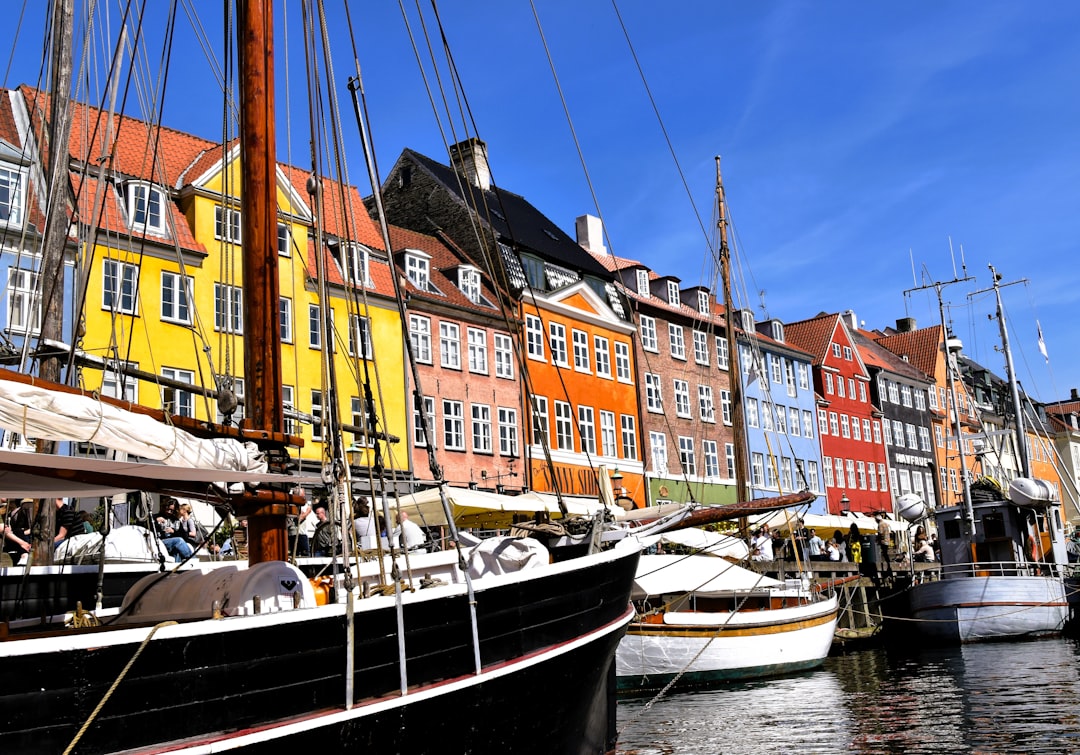
I had three days in Copenhagen in February 2026, temperatures around 2°C and an endless list of things to see: Nyhavn, Christiansborg, the National Museum, Freetown Christiania, the fish markets of Torvehallerne. The problem was not finding the attractions, but figuring out how to fit them together sensibly without losing hours of walking in the cold. This is where I decided to seriously test two tools: Wanderlog, which I have been using for about six months, and Secret World AI Trip Planner, which I had heard mentioned in a forum for independent travelers.

This article is the result of that experiment. Not a review based on screenshots or promotional videos, but on real use, concrete questions to the AI, and field verification of what was suggested. The Wanderlog review 2026 that you find around often lacks this: the comparison with more recent and smarter alternatives. Here’s what I found.
How I tested Secret World AI in Copenhagen: the concrete questions

I started with a precise request: "I am in Copenhagen for 3 days, staying near Nørreport Station, I want to visit Rosenborg Castle, Tivoli Gardens, the Vesterbro district, and take a trip to Dragør. Average budget, I prefer to move on foot or by bike. Organize the movements in a logical geographical order." Secret World responded in less than 20 seconds with an itinerary that grouped the visits by area: day 1 in the historic center (Rosenborg, walking distance from Nørreport about 8 minutes, adult entry about 160 DKK), day 2 in Vesterbro and Tivoli (adjacent, saves time), day 3 in Dragør with bus 350S from Rådhuspladsen, about 40 minutes of travel.
I then asked for an addition: "Add a visit to Freetown Christiania without sacrificing Tivoli on day 2." The AI responded by suggesting to move Christiania to the afternoon of day 1, after Rosenborg, since both are located on the island of Amager or near the center, and that Tivoli opens until 10:00 PM at certain times. It also specified that in February Tivoli might have reduced hours, inviting me to check the official website. This type of honesty — admitting seasonal limitations — is rare in planning tools.

Wanderlog vs Secret World: where the difference is real
Wanderlog is a solid tool for those who want to gather links, maps, and notes in one place. I have been using it for six months and appreciate the collaborative feature: you can share the itinerary with those traveling with you and edit it together. But its AI component, at least in the version I tested, produces fairly generic itineraries. When I asked the same question about Copenhagen, it returned a list of attractions without any real geographical reasoning: Nyhavn, then the National Museum (20 minutes on foot in the opposite direction), then back east to Rosenborg. A route that, in practice, would have meant almost 4 km of unnecessary zigzagging.
Secret World thinks differently: it starts with logistics, then adds the attractions. It’s a difference in approach that is felt. Wanderlog remains useful as an organizational container, but for the intelligent planning phase — the one where you decide what to put near what — Secret World is more advanced. This is not an ideological judgment, it’s what I verified while walking around Copenhagen with both itineraries in hand.
The details that make the difference: prices, times, seasonality

A good trip planner must give you real numbers, not vague estimates. Secret World, when I asked for an indicative budget for three days in Copenhagen excluding flights and hotels, estimated: local transport with Copenhagen Card 24h (about 379 DKK), entrance to the main museums (Rosenborg 160 DKK, National Museum free, Tivoli about 149 DKK), meals in local trattorias in Vesterbro (25-35 euros per meal). They also noted that many Danish state museums are free on Wednesday evenings — information verified and correct.
They also suggested avoiding Dragør on Mondays because many local shops and the small village museum are closed. I checked: it is accurate. This level of seasonal and practical detail is what distinguishes a truly trained AI on travel data from a generic tool. Wanderlog never gave me this type of warning in six months of use.
Final vote and why Secret World deserves a 9/10
I take away one point for a real limitation: Secret World does not yet have a direct export function to Google Maps or navigation apps. You have to manually copy the addresses, which slows down the transition from planning to field use a bit. It's a technical detail, not a criticism of the quality of the content, but in a travel tool, operational fluidity matters.
For everything else — quality of itineraries, geographical reasoning, accuracy on prices, honesty about seasonal limits — Secret World AI Trip Planner has earned a 9/10. If you are planning a trip to Copenhagen or any other European city and want an itinerary that really works in the field, I recommend trying it out before relying on older tools. Go to Secret World, enter your destination, and ask the same questions I did: the results speak for themselves.


