



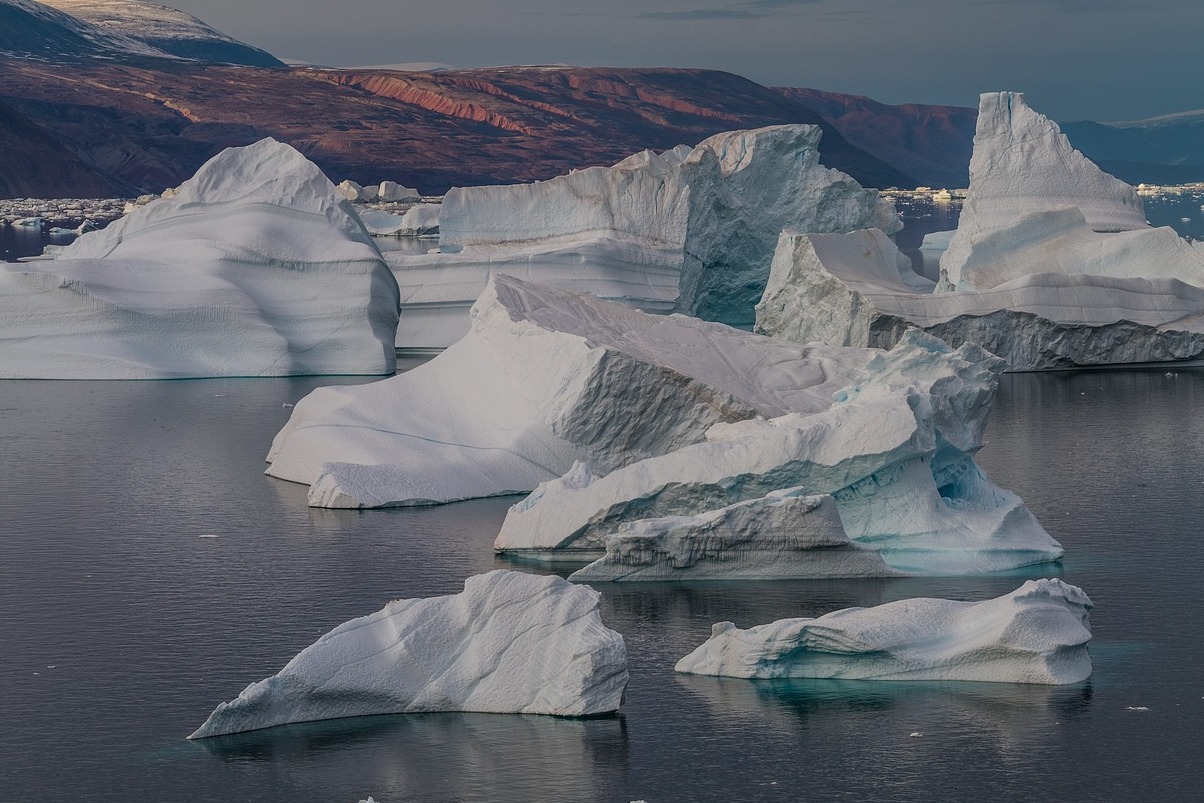
Nestled at the threshold of the Arctic Circle, Svartisen Glacier in Norway is a mesmerizing ice wonderland that draws adventurers and nature lovers alike. This icy giant, the second-largest glacier in Norway, spans over 370 square kilometers, offering an ethereal landscape that has captivated explorers for centuries. Its accessibility, being the lowest glacier on mainland Europe, makes it an enticing destination for hikers eager to experience the pristine beauty of Norway's wild heart.

The origins of Svartisen trace back to the last Ice Age, approximately 20,000 years ago, when colossal ice sheets began to sculpt the rugged topography of Norway. The glacier's name, derived from "svart" meaning black and "isen" meaning ice, alludes to the deep blue and dark hues that characterize its icy crevasses. Through the ages, Svartisen has been a silent witness to the changing climate and shifting landscapes, with its history etched in the layers of compacted snow and ice.
While the glacier itself is a testament to nature's artistry, the surrounding region showcases a blend of architectural and artistic endeavors that reflect the resilience and creativity of its people. Traditional Norwegian architecture, with its charming wooden structures and sod roofs, can be found in the nearby villages. These quaint buildings, often painted in vibrant hues, stand in stark contrast to the stark whiteness of the glacier, offering a picturesque scene that could easily belong to a storybook.
The local culture around Svartisen is deeply intertwined with the rhythms of nature. The indigenous Sami people have lived harmoniously with the land for generations, their traditions enriched by the harsh yet beautiful environment. Festivals such as the Sami Week celebrate their unique heritage through music, dance, and traditional dress, providing visitors with a glimpse into a culture that has adapted to life in the Arctic for thousands of years.
No journey to Svartisen is complete without indulging in the local gastronomy. The region's cuisine is a celebration of its natural bounty, with dishes that highlight the fresh, robust flavors of the Arctic. Reindeer stew, known locally as "Bidos," is a savory delight that warms both the body and soul. Freshly caught fish from the frigid waters, such as Arctic char and cod, are staples in local meals, often accompanied by hearty root vegetables and foraged berries.
Svartisen holds many secrets that often elude the casual tourist. One lesser-known curiosity is the presence of moulins, vertical shafts within the glacier that can plunge hundreds of meters deep. These natural wonders serve as conduits for meltwater to travel from the surface to the glacier's base, creating a hidden network of icy tunnels beneath your feet. Additionally, the glacier is a living laboratory for scientists studying climate change, providing crucial insights into global environmental shifts.
For those planning a visit, the best time to explore Svartisen is during the summer months, from June to August, when the weather is mild, and the days are long. The extended daylight hours offer ample time for hiking and exploring the glacier's serene surroundings. Visitors are advised to wear sturdy footwear and bring waterproof clothing, as the terrain can be challenging and wet. A guided tour is highly recommended, as experienced guides can navigate the glacier's intricate paths and share invaluable knowledge about its history and ecology.
As you traverse the awe-inspiring landscape of Svartisen, take a moment to reflect on the glacier's silent but powerful presence. It's a reminder of both the fragility and strength of nature, a majestic spectacle that continues to evolve with each passing year. Whether you're a seasoned adventurer or a curious traveler, Svartisen offers an unforgettable journey into the heart of Norway's glacial wilderness.
