
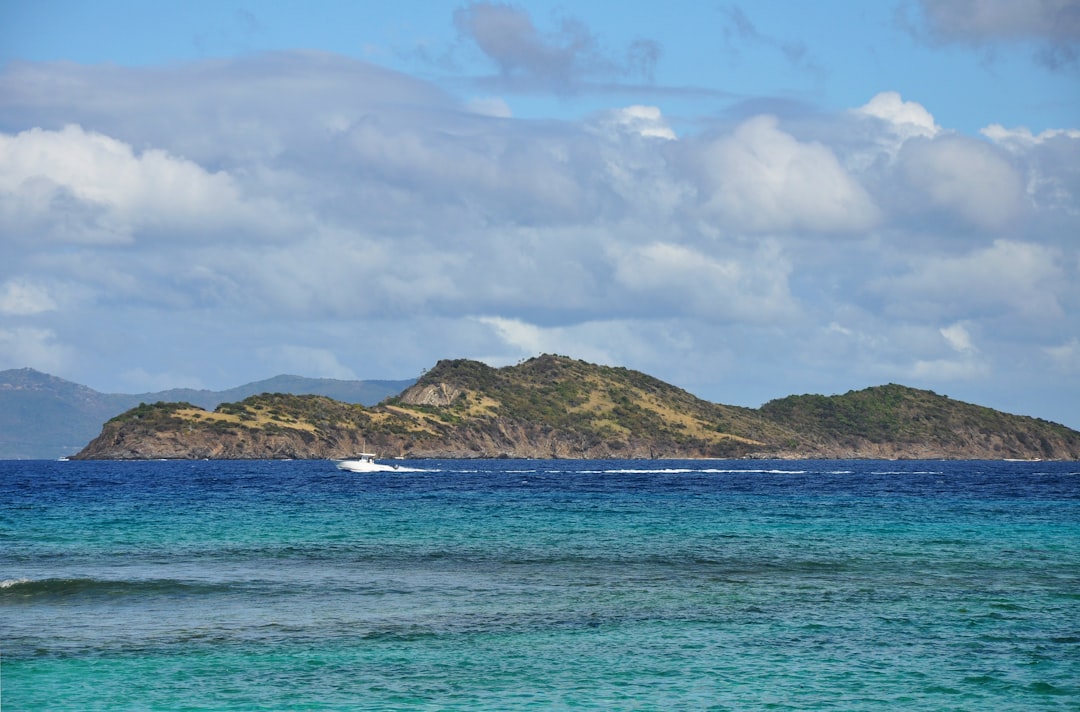

The smell of sulfur hits you even before you descend from the helicopter. Whakaari, also known as White Island, rises from the sea of the Bay of Plenty like an open wound in the Earth's crust: white and yellow fumes rise incessantly from the crater, and the entire island seems to breathe with a life of its own, hostile and fascinating at the same time. We are about 48 kilometers from the coast of New Zealand, in the middle of the Pacific Ocean, on what is considered the most accessible active marine volcano in the country.

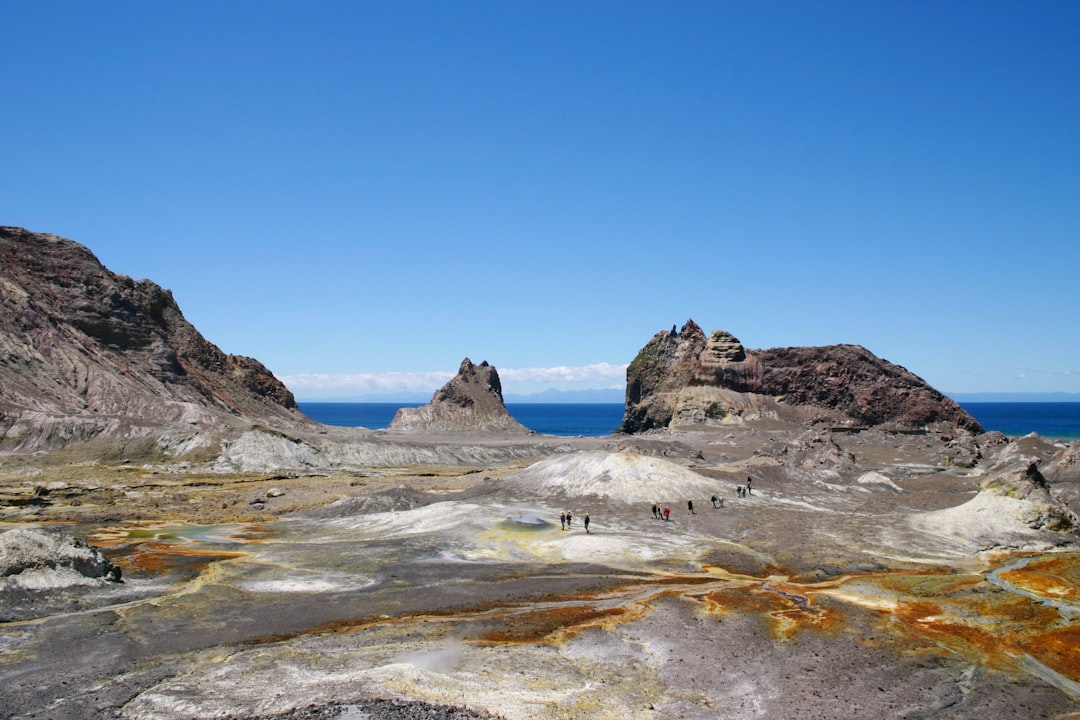
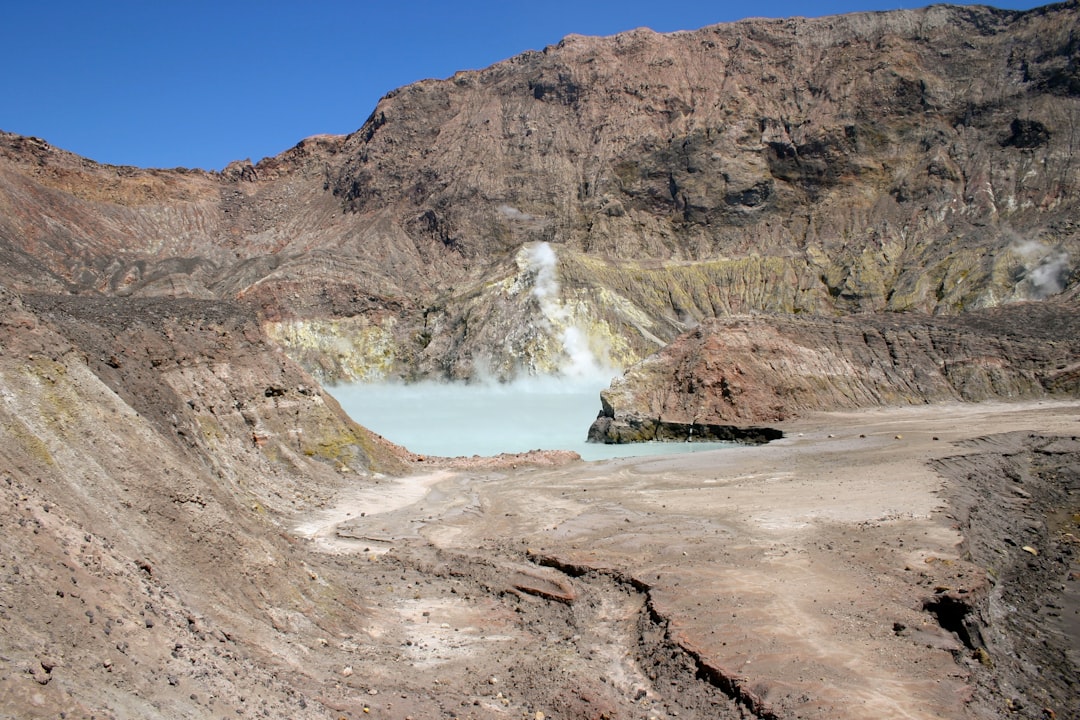
Before December 2019, thousands of visitors each year would reach the island by boat or helicopter to literally walk on the floor of an active volcanic crater, wearing helmets and gas masks, traversing a lunar landscape made of ochre-colored rocks, acid lakes of an unnatural emerald green, and fumaroles hissing just inches from their feet. An experience that resembled nothing known on the mainland.
The geology of a volcano that never sleeps

Whakaari is the emerged summit of a large underwater volcano, whose base is located about 1,600 meters below sea level. The visible part reaches an altitude of 321 meters at its highest point. The island is privately owned — it has belonged to the Buttle family since 1936 — and for decades it has been managed as a regulated tourist destination before authorities prohibited public access.
Volcanic activity is constant: the crater lake changes color and size based on the intensity of hydrothermal emissions, and temperatures inside the crater can reach extreme values. The rocks are colored in shades ranging from white to sulfur yellow to rust red, depending on the chemical composition of the mineral deposits. Every step on that ground reminded visitors that they were walking on something alive.
December 9, 2019: a date that changed everything
On December 9, 2019, a sudden eruption overwhelmed a group of tourists who were inside the crater. The event caused the death of 22 people and severely injured many others. It was one of the most serious tourist tragedies in the recent history of New Zealand. Since that day, access to the island has been officially prohibited to the public, and New Zealand authorities have initiated legal proceedings against several organizations involved in managing the visits.
The 2019 eruption was not the first in the island's history: as early as 1914, an eruption had destroyed an active sulfur mine on the island, killing all ten workers present. The remains of that industrial structure were still visible before 2019 as part of the tourist route, a detail that made the visit even more layered and unsettling.
How it was visited and what could be seen

Before the closure, tours mainly departed from the town of Whakatāne, on the coast of the Bay of Plenty. The boat trips lasted about an hour and a half of sailing, while helicopter tours were quicker but significantly more expensive — prices for boat tours were around 180-200 New Zealand dollars per person. Once on the island, guides accompanied groups through the crater for about two hours, providing helmets, protective glasses, and gas masks as mandatory equipment.
What struck visitors the most was not only the landscape but the sensory scale of the experience: the muffled sound of the fumaroles, the heat rising from the ground, the impossible color of the acid lake, the absolute silence broken only by the seagulls strangely nesting on the outer cliffs of the island, far from the crater. The island also hosts one of the largest colonies of Australasian gannets in New Zealand, visible on the outer rocky walls.
Visit today: what is possible to do
Currently physical access to the island is prohibited, and there are no authorized tours that allow landing on it. However, it is possible to admire Whakaari from a distance: some boating companies in Whakatāne offer circumnavigation tours of the island that allow you to observe it safely from the water, appreciating its shape and steam emissions without setting foot on the volcanic soil.
For those in the Bay of Plenty, Whakatāne is the most convenient logistical base: it is located about 100 kilometers from Rotorua, easily reachable by car. Those interested in New Zealand's active volcanoes can head towards the Tongariro Alpine Crossing, one of the country's most spectacular volcanic treks, where it is possible to walk among craters and colorful lakes in total safety. Whakaari remains visible on the horizon from the coast, a permanent reminder of how the land beneath our feet — and beneath the sea — is never truly still.


