
← Back

Whale Bone Alley

Circondario autonomo della Čukotka, Russia, 689271 ★★★★☆ 271 views
Jenny Lopez
Circondario autonomo della Čukotka
🏆 AI Trip Planner 2026

Get the free app

Discover the best of Circondario autonomo della Čukotka with Secret World — the AI trip planner with 1M+ destinations. Get personalized itineraries, hidden gems and local tips. Free on iOS & Android.

🧠 AI Itineraries 🎒 Trip Toolkit 🎮 KnowWhere Game 🎧 Audio Guides 📹 Videos
Scan to download iOS / Android
Scan for AppGallery Huawei users

About Whale Bone Alley

Whale Bone Alley - Circondario autonomo della Čukotka | Secret World Trip Planner

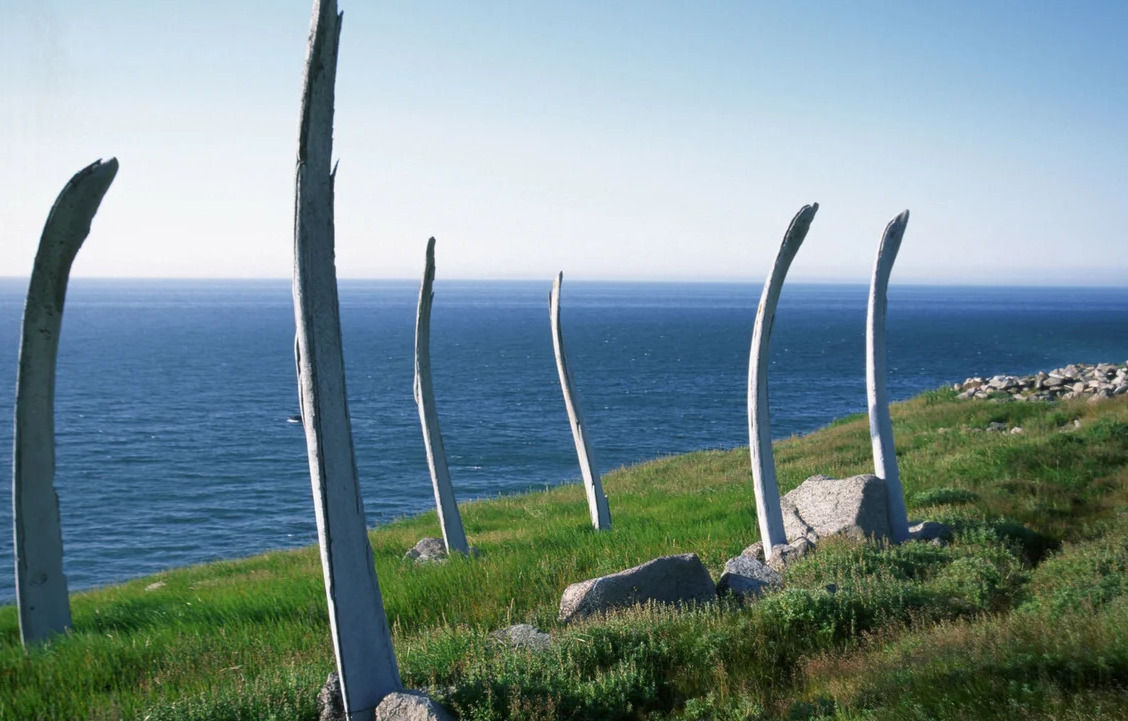
A stretch of the northern shore on remote Yttygran Island, 82km off the coast of Alaska, has become a macabre tourist destination. Massive whale jawbones, ribs and vertebrae stand horizontal in the ground forming an eerie alleyway. It’s generally agreed that the site dates back to the fourteenth or fifteenth century, but whether it was a sacred spot for native tribes to meet or simply a gathering place for mass slaughter, no one knows. What we do know is that it stands as one of the weirdest places in the world.Discovered by Soviet archaeologists in 1977, this monument to ancient Eskimo culture would be a very good setting for a fantasy movie. The alley is just huge: it runs up along the coastline for about 500 m, and it has a complicated structure. The closest row to the shore is made of whale skulls embedded to the ground. Each of them is more than 2 m large, and they protrude 1.5 m above the earth. The next row is made of jawbone pillars. They rise to a height of almost 5 m above the ground, while the length of the underground part is about 0.5 m. Each pillar has a diameter of 0.5 meter. The mass of such a jaw bone is 250–300 kg. It would require several grown men to put place it into the ground. The Whale Bone Alley originally consisted of 50–60 skulls, 30 jaws, and hundreds of purposefully laid stones. Between the rows of skulls and bones, there are about 150 meat storage pits (and in some of them, you can still find the remnants of food) and ring-shaped stone structures. A 50 m stone road passes from the meat pits along the hillside, leading to a flat round platform. In the middle, there is a huge flat boulder and a stone hearth bearing traces of ash. Archeologists believe that the Whale Bone Alley was constructed by a predetermined plan, as it forms a regular geometrical pattern. The skulls are placed in groups of two and four. They are dug into the earth nose first, so that the massive occipital area would protrude from the ground. At the same time, archaeologists have found very few ribs or vertebrae on the island, which means it was not the place where the whales were slaughtered. Some skulls have holes in them. According to some scientists, the skulls could have been transported to Yttygran after being stripped of flesh.

Buy Unique Travel Experiences

Powered by Viator

See more on Viator.com

Frequently Asked Questions

Whale Bone Alley is located on the remote Yttygran Island, situated 82km off the coast of Alaska in the Bering Strait. Access to this isolated site requires special arrangements, typically involving chartered boats or expeditions, as there are no regular commercial ferry services to the island.
The site dates back to the fourteenth or fifteenth century and was constructed by ancient Eskimo people, though its exact purpose remains a mystery. Archaeologists discovered the alley in 1977 and believe it was either a sacred gathering place for native tribes or a location for mass whale slaughter, with evidence suggesting it was built according to a predetermined geometric plan.
The alley stretches approximately 500 meters along the coastline and features rows of massive whale skulls (over 2 meters each) embedded in the ground, followed by jawbone pillars rising nearly 5 meters high. Between these rows, you'll find around 150 ancient meat storage pits, ring-shaped stone structures, and a 50-meter stone road leading to a ceremonial platform with a massive boulder and stone hearth.
The whale jawbones are extraordinarily large, with individual bones weighing 250-300 kg and requiring several grown men to position them into the ground. The skulls are each more than 2 meters in size and protrude 1.5 meters above the earth, while the jawbone pillars stand at heights of almost 5 meters with a diameter of 0.5 meters.
The original Whale Bone Alley consisted of 50-60 whale skulls arranged in groups of two and four (positioned nose-first into the ground), approximately 30 jawbone pillars, and hundreds of purposefully laid stones. The site also includes about 150 meat storage pits where remnants of ancient food can still be found, along with ring-shaped stone structures that suggest this was a well-organized settlement or gathering place.