



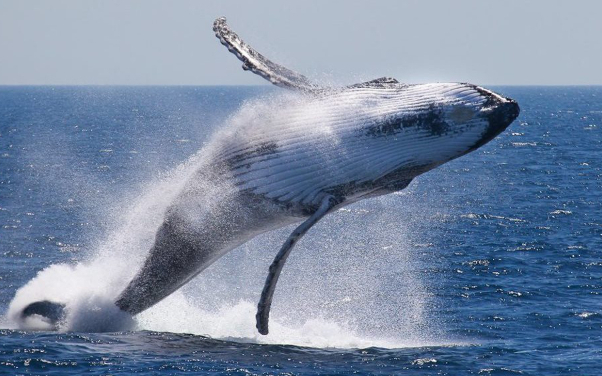
Standing at the edge of Point Adolphus, you are greeted by a breathtaking panorama of the Icy Strait in southeastern Alaska, a place where land meets sea in a dramatic embrace. This location is renowned as one of the premier whale-watching spots in the world, where humpback whales can be seen in abundance, performing their majestic dances against the backdrop of lush green forests and snow-capped peaks.
The history of Point Adolphus is deeply intertwined with the traditions of the Tlingit people, who have inhabited the region for thousands of years. Their ancient stories and cultural practices are rich with respect and reverence for the ocean and its creatures. Over the centuries, the Tlingit have developed a profound understanding of these waters and the whales that frequent them, passing down knowledge through generations. In fact, the area was named after Adolphus Greely, a 19th-century Arctic explorer, during a time when European explorers were mapping the vast Alaskan coast.
Architecturally, Point Adolphus and its surroundings are defined not by human structures, but by the awe-inspiring natural landscape. The region is part of the Tongass National Forest, the largest national forest in the United States. The dense greenery of the forest, interspersed with rugged cliffs and serene beaches, forms a natural amphitheater for the spectacle of whale breaches and tail slaps. While there are no grand buildings or man-made monuments, the artistry of nature itself is on full display.
The cultural fabric of the area is woven with the threads of both indigenous heritage and the influences of later settlers. The Hoonah community, located nearby, is a living testament to the Tlingit culture, with local artisans crafting intricate totem poles and traditional garments. The area hosts several festivals, such as the Hooligan Festival, which celebrates the seasonal arrival of the small oily fish crucial to both the local ecosystem and Tlingit culture. These events offer visitors a glimpse into the vibrant traditions of the region, with storytelling, dance, and music.
Gastronomy in the area is a delightful exploration of Alaskan flavors, heavily influenced by the bounty of the sea. Freshly caught salmon, halibut, and crab are staples, often prepared with a simplicity that lets the natural flavors shine. A visit to Hoonah would not be complete without sampling smoked salmon, a local delicacy that embodies the fusion of traditional methods and modern tastes. The local Sitka black-tailed deer also finds its way into hearty stews and roasts, offering a taste of the forest's offerings.
Among the lesser-known curiosities of Point Adolphus is the phenomenon of the bubble-net feeding technique employed by humpback whales, a cooperative feeding method that showcases their intelligence and social behavior. This is one of the few places in the world where one can witness this remarkable spectacle. Additionally, the area is home to a rich array of wildlife beyond whales, including sea lions, porpoises, and a variety of bird species, making it a paradise for nature enthusiasts.
For those planning to visit, the best time to experience the grandeur of Point Adolphus is between May and September, when the waters are alive with the acrobatics of humpback whales. Guided tours from Juneau or Gustavus offer the chance to learn from knowledgeable guides who can provide insights into the marine life and history of the area. Dress warmly and prepare for rapidly changing weather conditions to fully enjoy the experience. Look for local guides who can not only navigate the waters but also share stories of the indigenous traditions and conservation efforts in place to protect this natural wonder.
Point Adolphus is not just a destination; it is a journey into the heart of nature. It invites you to pause and reflect on the rhythms of the natural world, to witness the beauty and power of the ocean's giants, and to appreciate a culture that thrives in harmony with its environment.
