
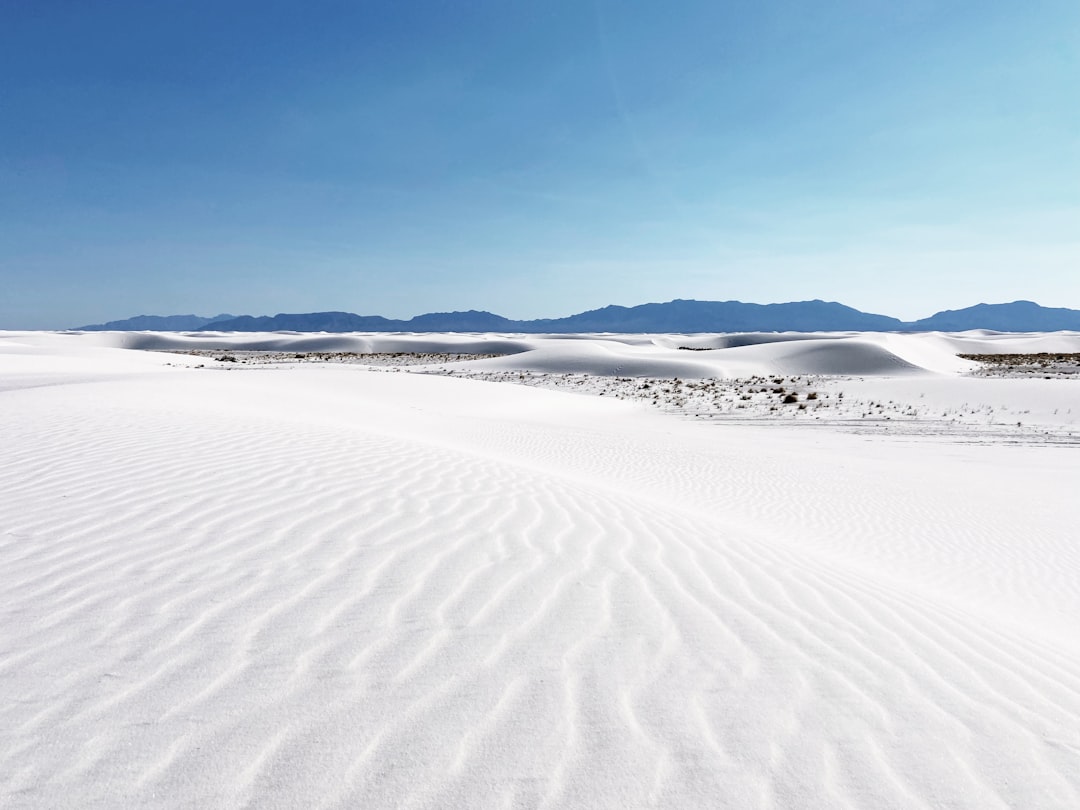

The ground crunches underfoot like frozen snow, but the temperature hovers around thirty degrees. The limestone formations of the White Desert National Park, in the heart of the Egyptian western desert, rise from the ground like abstract sculptures: giant mushrooms, immobile icebergs, figures that change shape depending on the angle of the light. This landscape is the result of millennia of wind erosion on deposits of gypsum and white limestone, which has shaped the rocks into impossible forms, some several meters high.
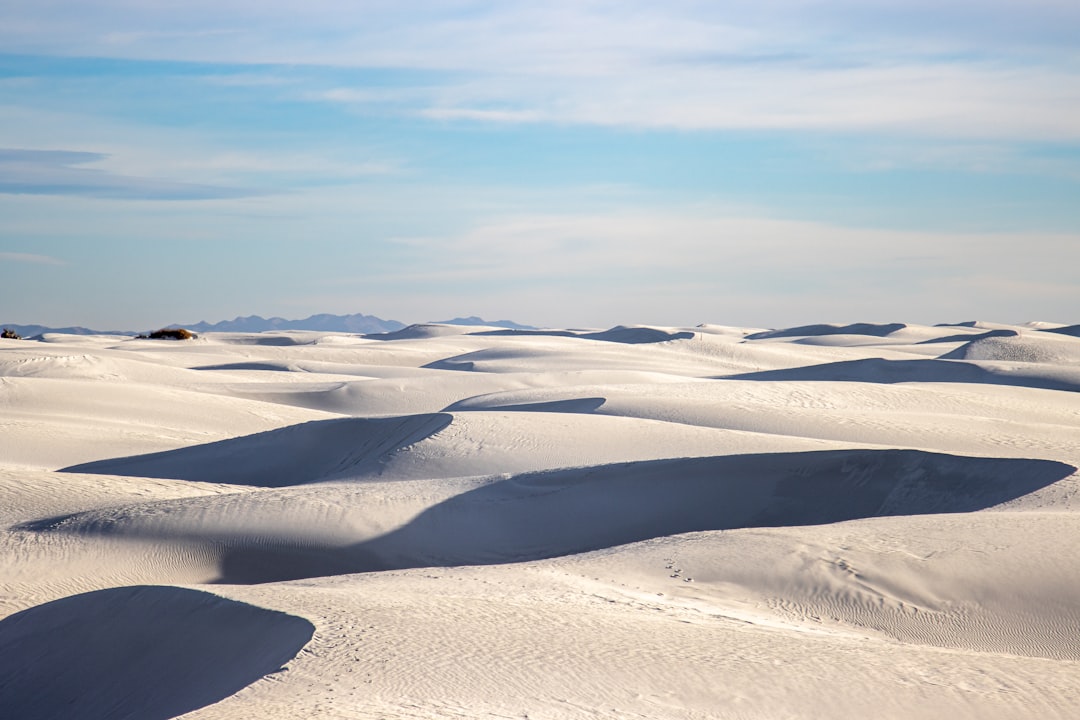
The park is located near Farafra, one of the most remote oases of the Libyan depression, about 600 kilometers southwest of Cairo. Established as a protected area in 2002, it covers an area of about 3,010 square kilometers. Walking here is unlike any other trek in Egypt: there are no temples, there are no inscriptions. There is only silence, blinding white, and the tangible feeling of being on another planet.
The main path: between gypsum mushrooms and open plains
There are no formally marked trails within the park, but local guides lead visitors along established routes that traverse the densest areas of rock formations. The most frequented path starts from the southern entrance of the park and ventures towards the so-called New White Desert, where the concentrations of white rocks are most spectacular. On foot, one walks on sandy and compact ground, interspersed with outcrops of yellow quartz and fragments of black flint, remnants of previous geological eras.
The most iconic formations are the so-called mushroom rocks, limestone pillars with a base eroded thinner than the top, which seem to defy gravity. Some of these structures exceed four meters in height. Walking slowly, one also encounters formations shaped like bears, rabbits, or sails — names given by guides over time to navigate a landscape otherwise devoid of fixed references. Every hour of the day transforms the color of the rocks: pure white at noon, gold and orange at sunset, almost silver under the full moon.
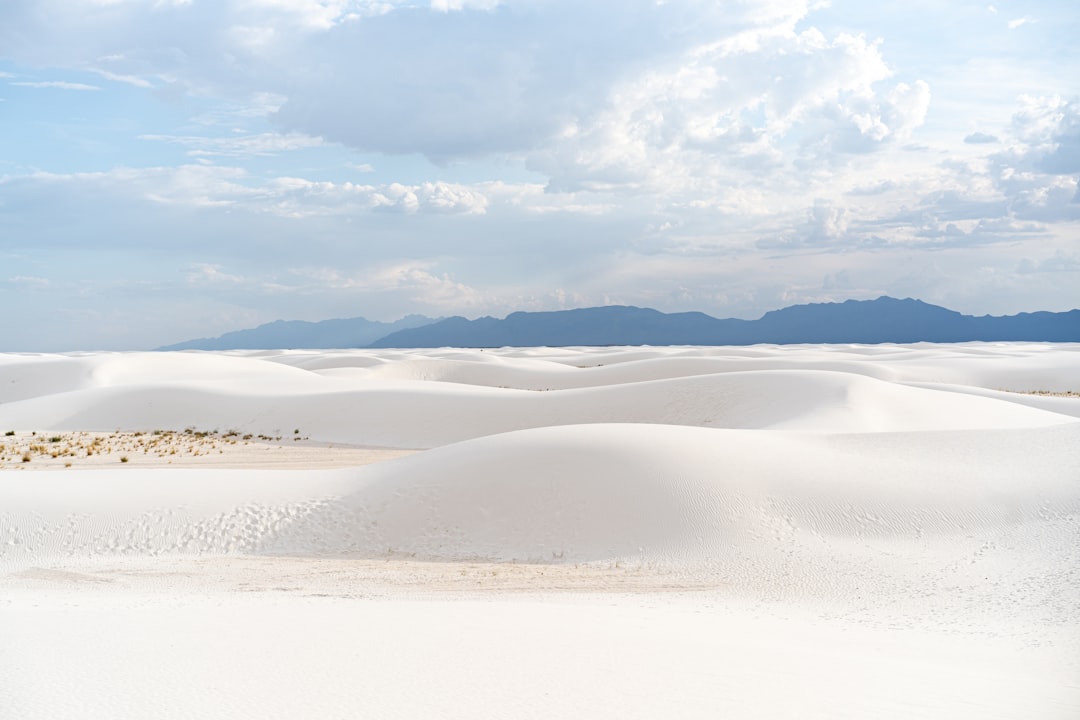
The Night in the Desert: Camping Under the Stars
The most intense moment of the White Desert is experienced after sunset. Most tours organized by Farafra include a night of camping directly among the rocks, with tents or simply under the open sky. Light pollution is virtually absent: the Milky Way is visible to the naked eye with a clarity that is hard to find elsewhere in the Mediterranean or Europe.
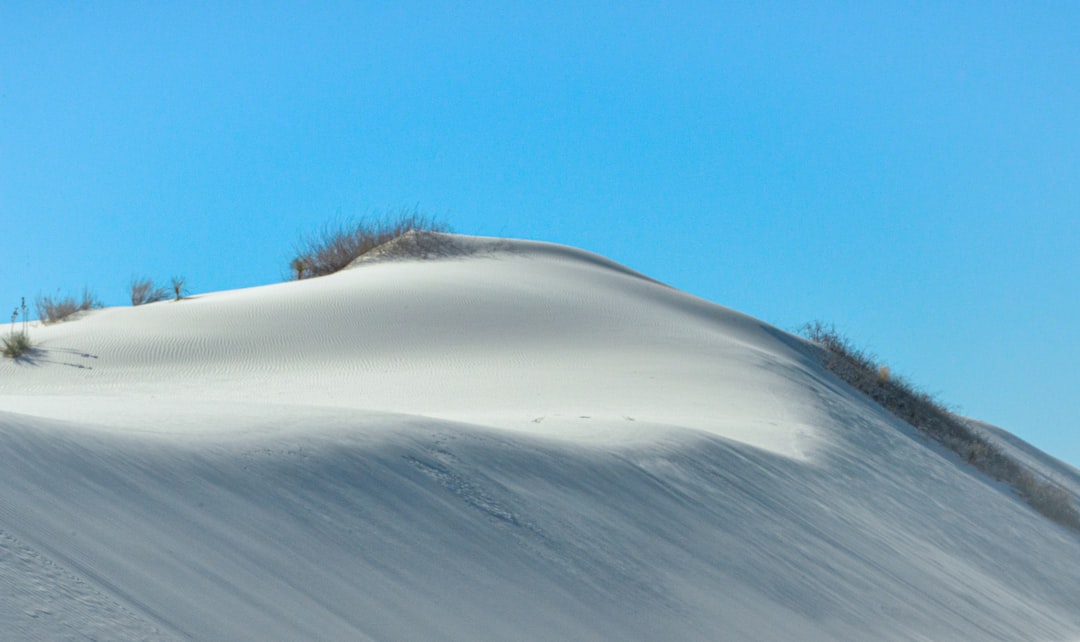
Nighttime temperatures, even in summer, drop significantly compared to the day — in winter they can approach zero. Bringing an appropriate sleeping bag is not optional. The guides light fires with wood gathered from the surroundings and prepare Bedouin tea with mint, one of the few constants of every stop in the Egyptian desert. The silence, broken only by the wind among the rocks, is an integral part of the experience.
How to get there and practical information
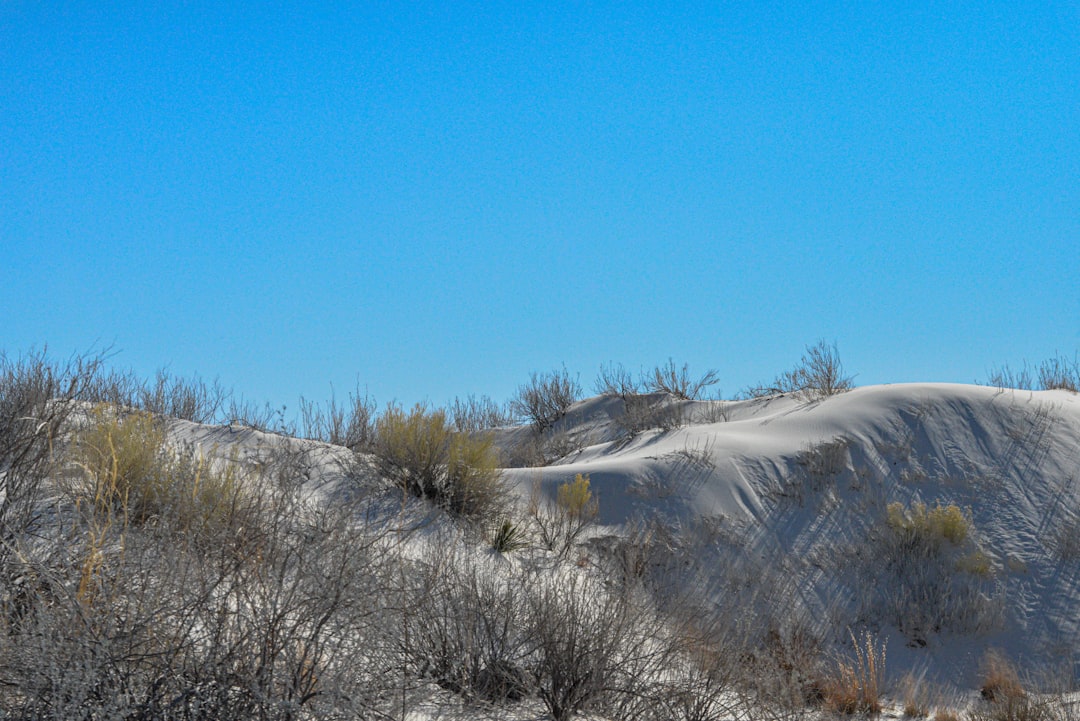
The logistical starting point is Farafra, reachable by bus from the Turgoman station in Cairo in about eight to ten hours, or by private car along the Desert Road. From Farafra, the park is about 45 kilometers to the north. Almost all visitors arrange transportation and a guide directly in town, where several local agencies offer jeeps with drivers and guides for one or two-day excursions.
The most important practical advice: avoid the period from June to August, when daytime temperatures regularly exceed 40 degrees and make any prolonged walking risky. The best months are from October to April, with March and November being the peak of ideal conditions. Bring at least three liters of water per person for each day, high-factor sunscreen, and a towel or keffiyeh to cover your head during the central hours. The entrance ticket to the park is generally included in the cost of the organized tour, which ranges from 50 to 100 dollars per person for one night, depending on the season and the number of participants.
What to Observe Closely Along the Way
Beyond the large formations, the terrain of the White Desert offers details that deserve close attention. Fragments of marine fossils — shells and remains of Cretaceous organisms — frequently emerge from the ground, a testament to the fact that this area was submerged by the sea about 80 million years ago. Collecting them is prohibited by law, but observing them on-site adds a concrete geological dimension to the visit.
In the early hours of the morning, before the heat sets in, it is possible to notice tracks of the desert fox (Vulpes zerda) and sometimes spot the desert kestrel flying low among the rocks. The wildlife is discreet but present. Walking slowly, without haste, is the best way to catch these details — and to understand that this is not a place to cross, but to inhabit, even just for a night.


