
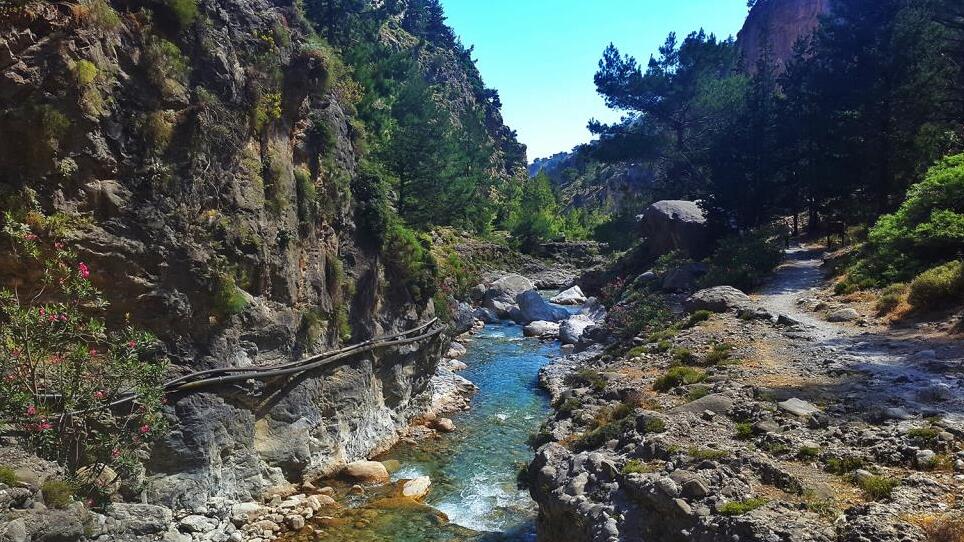

Nestled in the heart of Crete, the White Mountains’ National Park offers a breathtaking tapestry of nature and history, where dramatic landscapes intertwine with ancient cultures. This rugged terrain, known as the Lefka Ori (White Mountains), is not just a haven for hikers but a living testament to the island's rich past.
History and Origins
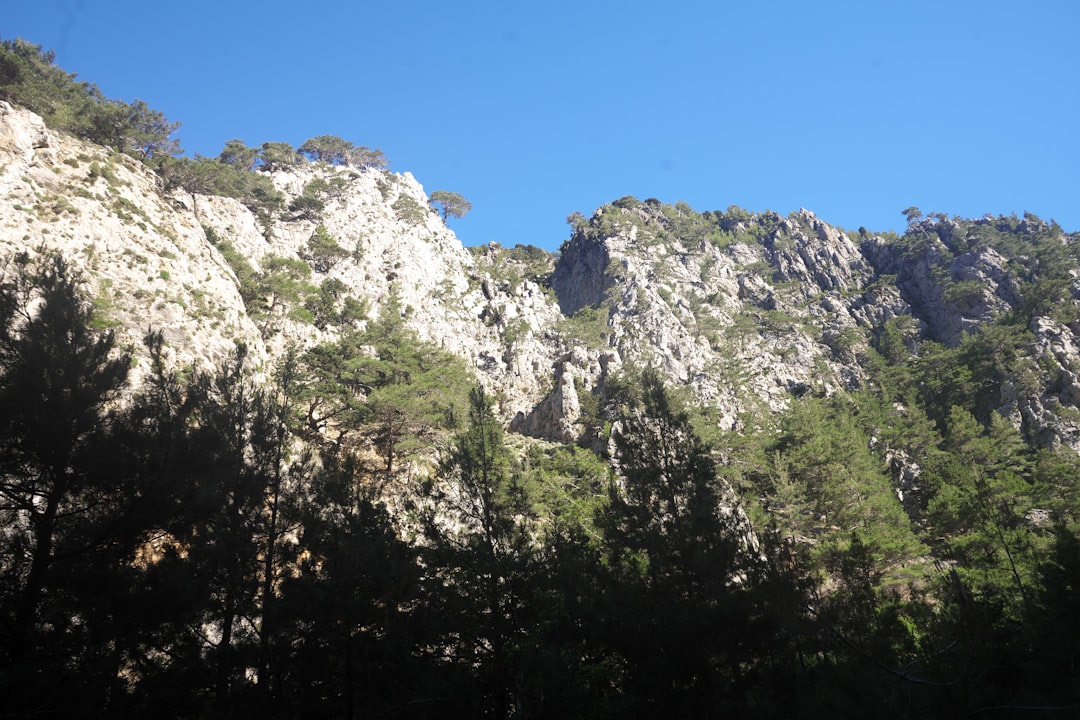
The history of the White Mountains is deeply entwined with the island's ancient civilizations. The area has been inhabited since the Neolithic period, evidenced by archaeological finds in nearby caves. The region played a significant role during the Minoan civilization, which flourished from approximately 2700 to 1450 BCE. The Minoans were known for their advanced society and maritime prowess, and the mountains served as both a refuge and a source of resources.
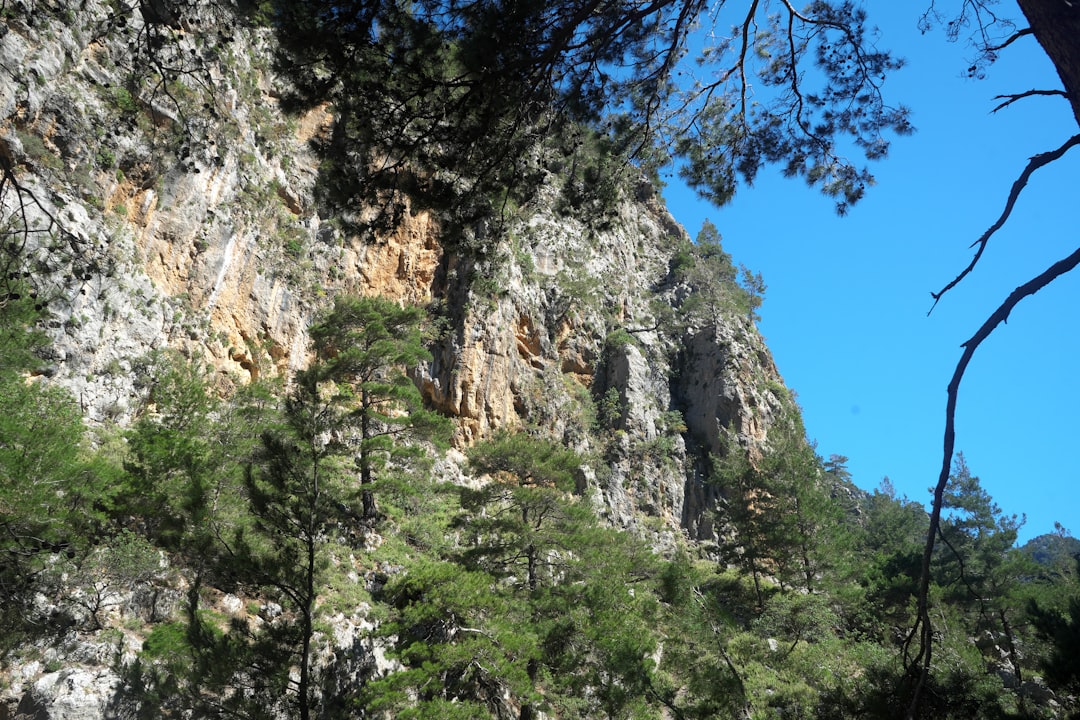
Throughout history, the White Mountains witnessed numerous key events, particularly during the Cretan War (1645–1669) when locals resisted Ottoman rule. The rugged terrain became a stronghold for freedom fighters, with the Samaria Gorge serving as a strategic escape route. The establishment of the national park in 1962 marked a commitment to preserving this rich tapestry of life, protecting it from exploitation and ensuring its beauty for future generations.
Art and Architecture
While the park itself is a natural wonder, the surrounding villages reflect a unique architectural style that tells the story of the island's cultural evolution. Traditional Cretan architecture is characterized by its stone houses, often adorned with wooden balconies and tile roofs, blending seamlessly into the landscape. Notable villages such as Agia Roumeli feature structures that echo the island’s agricultural past and its connection to the sea.
Artistic expression in this region often manifests in local craftsmanship, particularly in the form of handwoven textiles and ceramics. The artistic significance of these crafts lies not only in their aesthetic appeal but also in their role in preserving the island's traditions. Visitors can often find artisans at work, creating pieces that reflect the natural beauty surrounding them.
Local Culture and Traditions
The culture of the White Mountains is vibrant and steeped in tradition. Festivals are a cornerstone of community life, with events such as the Feast of St. John celebrated in June, where locals gather for music, dance, and traditional dishes. The Cretan way of life is also evident in the warm hospitality of its people, who often share their stories and traditions with visitors.
In addition to festivals, the local customs include the practice of Cretan music and dance, with the syrtaki and mantinades (traditional songs) frequently performed during gatherings. These cultural expressions not only entertain but also serve as a means of preserving Cretan identity.
Gastronomy
Cretan cuisine is a delightful exploration of flavors, heavily influenced by the island’s geography. The White Mountains are home to a variety of endemic herbs and plants that enhance local dishes. Dakos, a traditional salad made with barley rusk, tomatoes, and local cheese, is a must-try. Pair it with a glass of raki, the local spirit, and you have a true taste of Cretan life.
Other culinary highlights include moussaka, a layered dish of eggplant and minced meat, and kalitsounia, sweet or savory pastries filled with cheese or herbs. The region is also known for its exceptional olive oil, which is a staple in nearly every dish.
Lesser-Known Curiosities
Beyond the stunning vistas, the White Mountains hold many secrets. One of the most intriguing is the legend of the Samaria Gorge, believed to be the haunt of the ancient gods. According to local lore, the gorge was carved by the tears of a grieving goddess, giving it an ethereal quality that captivates visitors.
Additionally, the park is home to the elusive Cretan wild goat, known as the Kri-Kri, which roams freely among the rocky cliffs. Spotting one of these magnificent creatures is a rare delight for hikers, adding to the allure of the journey.
Practical Visitor Information
The best time to visit the White Mountains’ National Park is during the spring and autumn months, when temperatures are mild and the flora is in full bloom. The hike through the Samaria Gorge is open from May to October, but it’s advisable to tackle the trail early in the day to avoid the midday heat.
Hikers should wear sturdy shoes and carry plenty of water, as the trek can be demanding. Be sure to take your time and enjoy the breathtaking views, particularly at the gorge’s narrowest point, known as the Iron Gates, where the cliffs tower dramatically above.
When planning your visit, look out for the unique flora and fauna that call this park home, and consider taking a guided tour to enrich your understanding of the area’s ecology and history.
Explore the wonders of the White Mountains and craft your personalized adventure using the Secret World app for a perfect itinerary.


