



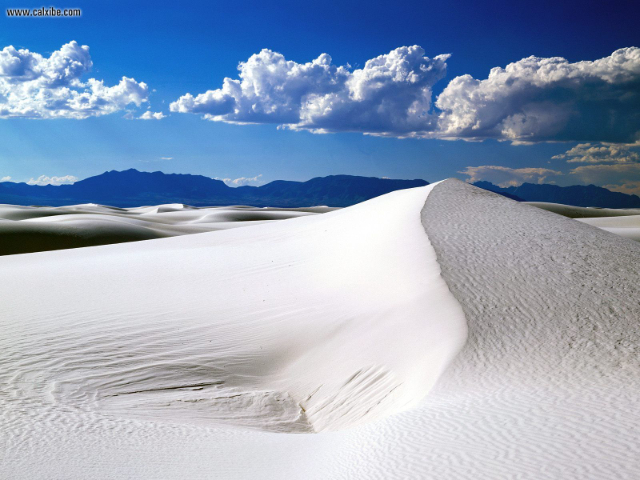
Beneath the vast skies of southern New Mexico lies a surreal landscape where the earth and sky meld in a dazzling display of white. White Sands National Monument, located within the White Sands Missile Range, is a wonder of nature, home to the world's largest gypsum dunefield. These great wave-like dunes cover an expansive 275 square miles, creating a place of haunting beauty and profound silence.

The origins of White Sands stretch back over 10,000 years. The area was once covered by a vast sea, which deposited gypsum on the seabed. As the water receded and the climate changed, the gypsum was left behind. Over millennia, wind and water sculpted this mineral into the stunning dunes we see today. The monument was officially established in 1933 by President Herbert Hoover, protecting a significant portion of this unique landscape. Throughout its history, it has also played a pivotal role during World War II and the Cold War as part of the adjacent missile range, a testament to its strategic importance.
While White Sands is celebrated for its natural beauty, it also holds treasures of artistic significance. The stark, otherworldly landscape has inspired artists for generations, influencing everything from photography to painting. Though the site itself boasts no traditional architectural structures, the art it inspires is often characterized by minimalism and stark contrast, mirroring the monochrome beauty of the dunes. Local artists frequently capture the ethereal interplay of light and shadow that dances across the sands, creating works that are as transient and haunting as the dunes themselves.
Culturally, White Sands sits at a crossroads of Native American and Hispanic traditions. The nearby communities, such as Alamogordo, host vibrant events and festivals that celebrate this rich tapestry of influences. One notable event is the annual White Sands Balloon Invitational, where hot air balloons ascend over the dunes, adding splashes of color to the alabaster landscape. These cultural gatherings are a testament to the enduring human connection to this place, blending ancient traditions with modern celebrations.
The gastronomy of the region surrounding White Sands reflects the fusion of Native American and Mexican influences. Visitors can savor traditional New Mexican dishes such as green chile stew, chile rellenos, and sopaipillas, all of which offer a taste of the area's rich culinary heritage. The nearby town of Las Cruces is renowned for its vibrant farmers’ markets, where local flavors come alive with fresh produce, artisanal cheeses, and, of course, the region's famous chiles.
Beyond its visual allure, White Sands holds lesser-known curiosities that intrigue and surprise. For instance, during certain times of the year, the dunefield hosts the fleeting phenomenon known as "moonlight hikes" where the sand glows under the full moon, casting an ethereal light that feels almost otherworldly. This unique experience offers a different perspective on the landscape, one that captivates the imagination and deepens the sense of mystery that pervades the area.
Practical information is essential for making the most of a visit to White Sands. The best time to explore is in the cooler months between October and April, when temperatures are more moderate. Visitors should arrive early or late in the day to witness the dunes at their most beautiful, as the low sun casts long shadows that accentuate the natural contours of the landscape. It's important to bring plenty of water, sun protection, and a sense of adventure. The park offers several hiking trails, with Alkali Flat Trail being one of the most popular for its panoramic views. However, the endless sea of white can be disorienting, so sticking to marked trails is advisable.
In conclusion, White Sands National Monument is not merely a destination but a profound experience. Its mesmerizing beauty, rich history, and cultural significance offer a journey into a world that feels both ancient and timeless. Whether you are drawn by the art it inspires, the cultures it nurtures, or the simple joy of wandering through its vast expanse, White Sands remains a place that captures the spirit and stirs the soul.
