
🎄 Win a month in Italy for two — €10,000 · The Secret Italy Prize GO →
Wismar — Wismar
← Back
Historical Sites 📍 Wismar, Germany 139 views

Wismar

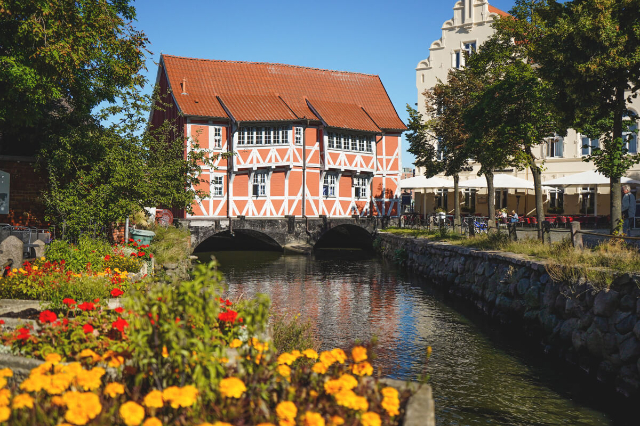
Listed as a Unesco World Heritage Site for the beauty of its historic centre, Wismar is still underrated although increasingly trendy with travellers who think outside the box. Did you know that Wismar was, a century ago, a city occupied by the Swedes? It became a German city aga...

Photo · Margherita Z.

Wismar — Wismar, Germany.

Location
Wismar
Type
Historical Sites
Opening hours
Weather now
↗ Directions

About Wismar

Wismar - Wismar | Secret World Trip Planner

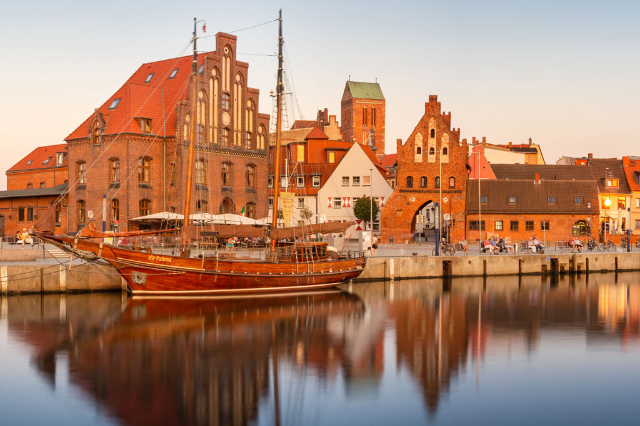
Listed as a Unesco World Heritage Site for the beauty of its historic centre, Wismar is still underrated although increasingly trendy with travellers who think outside the box. Did you know that Wismar was, a century ago, a city occupied by the Swedes? It became a German city again in 1903. The medieval towns of Wismar and Stralsund, on the Baltic coast of northern Germany, were major trading centres of the Hanseatic League in the 14th and 15th centuries. In the 17th and 18th centuries they became Swedish administrative and defensive centres for the German territories. They contributed to the development of the characteristic building types and techniques of Brick Gothic in the Baltic region, as exemplified in several important brick cathedrals, the Town Hall of Stralsund, and the series of houses for residential, commercial and crafts use, representing its evolution over several centuries. The inhabitants are not resentful of this Swedish occupation, since each year they celebrate the end of summer, a typical Swedish holiday in the port of Wismar. Wismar has an airport, but you are more likely to have direct connections by booking your flights to Lübeck or Rostock Airport, which is an hour by car or train from Wismar.
Wismar - Wismar | Secret World Trip Planner

Frequently Asked Questions

Wismar is recognized as a UNESCO World Heritage Site for its beautifully preserved historic centre, which showcases exceptional examples of Brick Gothic architecture from the 14th-15th centuries. The town was a major Hanseatic League trading centre and features important brick cathedrals, historic town halls, and residential buildings that demonstrate the evolution of Baltic architectural styles over several centuries.
Wismar was occupied and ruled by Sweden in the 17th and 18th centuries, serving as a Swedish administrative and defensive centre for German territories. The city remained under Swedish control for about a century before becoming German again in 1903, and today the locals celebrate this history without resentment by observing Swedish summer traditions.
The best time to visit Wismar to experience Swedish culture is at the end of summer, when inhabitants celebrate a typical Swedish holiday festival in the port area. This festive period offers a unique opportunity to witness how locals honour their Swedish heritage through celebrations and traditions.
While Wismar has its own airport, you'll find better direct flight connections by booking to either Lübeck or Rostock Airport, both located approximately one hour away by car or train. This makes reaching Wismar relatively convenient despite limited direct flight options to the city itself.
Wismar's architectural significance stems from its role as a major Hanseatic League trading centre during the 14th and 15th centuries, combined with its later Swedish occupation in the 17th-18th centuries. The city exemplifies Brick Gothic building techniques and features important structures like brick cathedrals, town halls, and diverse residential and commercial buildings that showcase architectural evolution across centuries.

Experiences nearby · Wismar

Powered by Viator

See more on Viator.com

Secret World Hidden places, real stories — plan your trip
Get the app
