



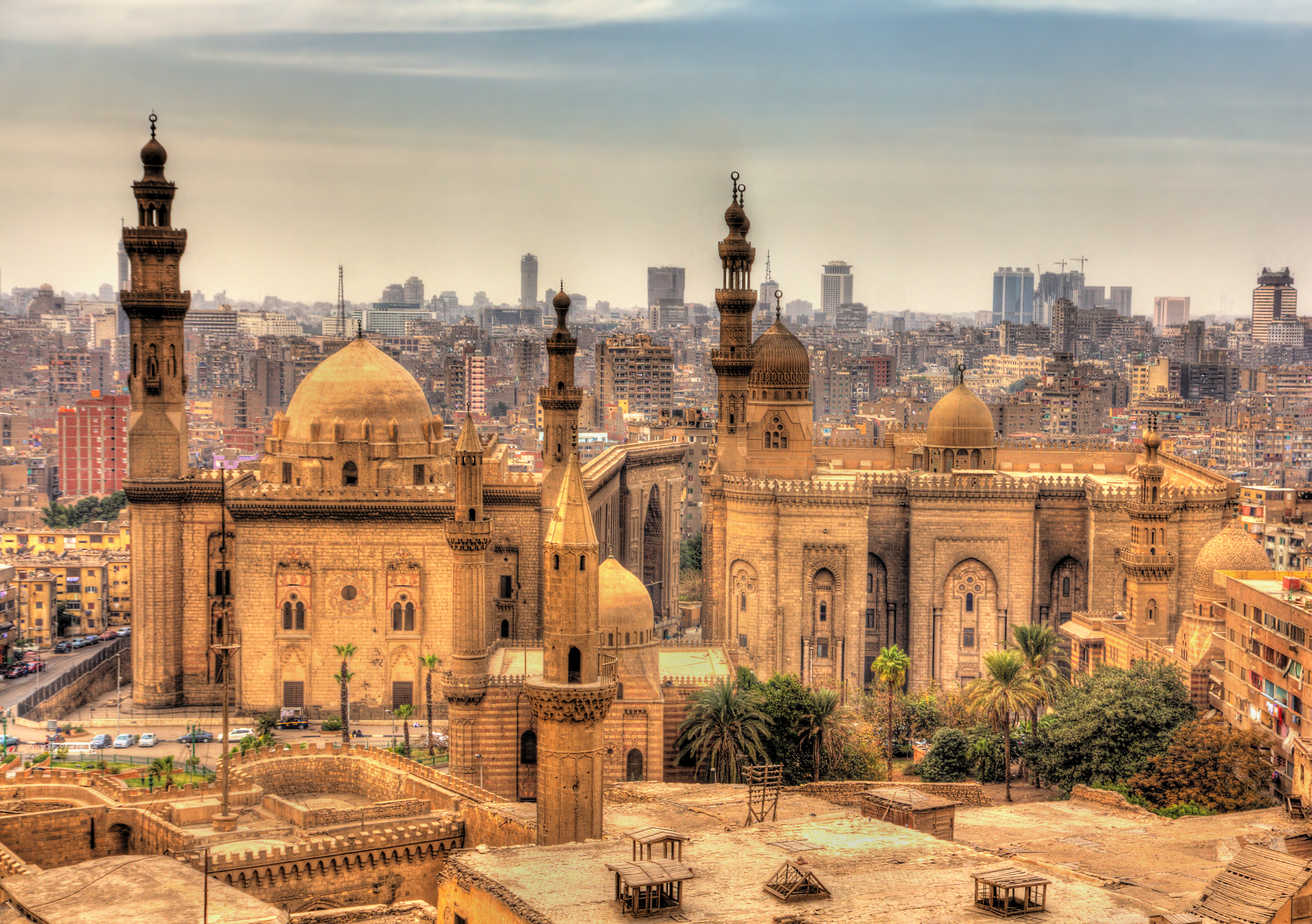
With sand-covered tombs, austere pyramids, and towering Pharaonic temples, Egypt brings out the explorer in all of us. This ancient land, known for its monumental achievements, is a tapestry of history that welcomes travelers eager to uncover its mysteries. From the Valley of the Kings in Luxor, where the legendary Tutankhamun’s tomb was unearthed, to the resplendent treasures housed in the Egyptian Museum in Cairo, every corner of Egypt holds a story waiting to be told.

### History and Origins Egypt's history stretches back over 5,000 years, making it one of the world's oldest civilizations. Founded along the banks of the Nile River, it flourished due to the fertile land created by the river's annual flooding. The unification of Upper and Lower Egypt around 3100 BC marked the beginning of the Pharaonic era, with the first Pharaoh, Narmer, establishing the First Dynasty. Key historical events, such as the construction of the Great Pyramid of Giza around 2580 BC, symbolize the remarkable prowess of ancient Egyptian engineering and society.
Throughout the centuries, Egypt was a cradle of culture and power, witnessing the reign of formidable dynasties, including the New Kingdom, which saw the likes of Ramses II and Hatshepsut. The arrival of the Greeks and later the Romans brought new influences, but Egypt’s unique identity endured, creating a rich historical tapestry that captivates today’s visitors.
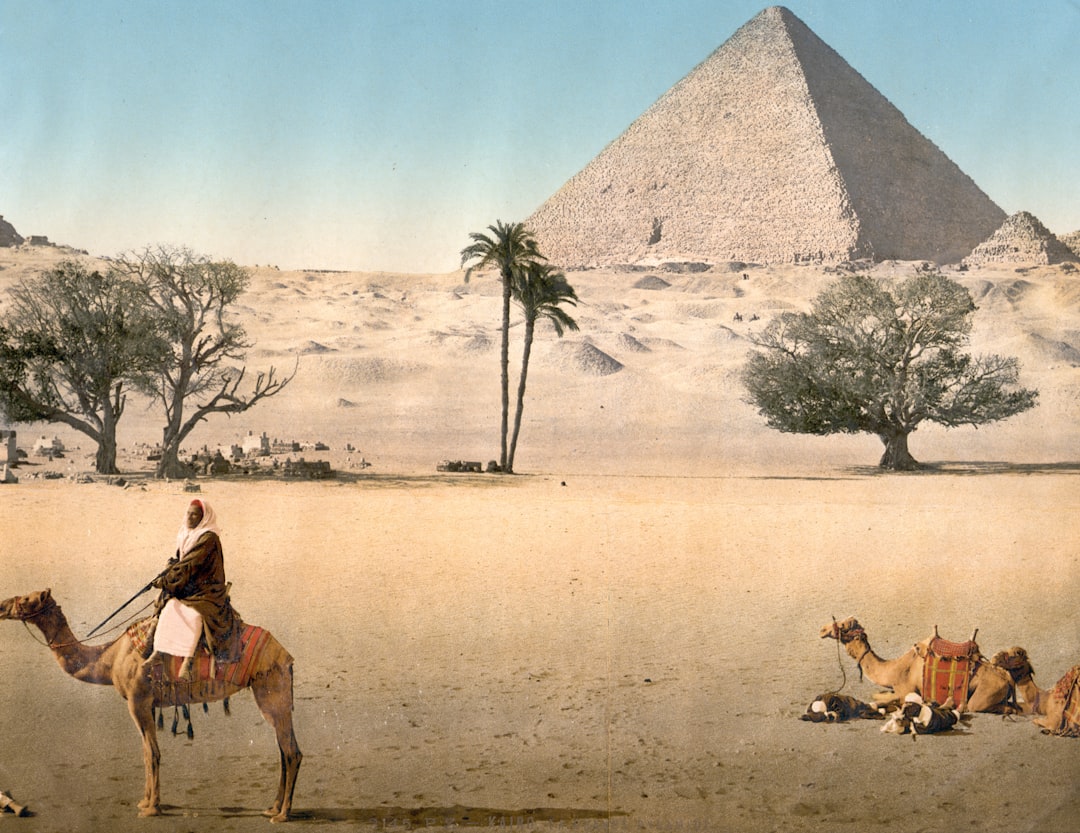
### Art and Architecture The architectural style of ancient Egypt is iconic, characterized by grandiose structures that reflect the civilization's religious beliefs and social hierarchy. The pyramids, especially the Pyramid of Khufu, showcase the ancient Egyptians’ remarkable engineering skills and their dedication to their Pharaohs' afterlife. The temples, like Karnak and Luxor, are adorned with intricate carvings and hieroglyphs that narrate stories of gods, daily life, and monumental events.
Art in Egypt was deeply intertwined with religion and the afterlife; every sculpture and painting served a purpose in the spiritual journey of the deceased. The Tutankhamun exhibit, found in the Valley of the Kings, exemplifies this artistic significance, featuring exquisite gold artifacts, such as his renowned burial mask that continues to mesmerize audiences worldwide.
### Local Culture and Traditions Egyptian culture is a blend of ancient traditions and modern influences. Ramadan, the holy month of fasting, is celebrated with fervor, bringing families together for nightly feasts called Iftar. The traditional folk dance of Tanoura, often performed at festivals, showcases the country’s vibrant artistic expression.
Festivals like Sham el-Nessim, celebrated in the spring, mark the arrival of the season with picnics and the consumption of feseekh (fermented fish) and colored boiled eggs, symbolizing renewal. These traditions not only underline the rich cultural heritage but also foster community bonds among the locals.
### Gastronomy Egyptian cuisine is a delightful exploration of flavors, with staple ingredients like fava beans, chickpeas, and spices. Koshari, a hearty mix of rice, lentils, and pasta topped with tomato sauce and fried onions, is a popular street food that embodies the culinary diversity of the country. Ful medames, a dish of stewed fava beans, is traditionally eaten for breakfast and reflects the agricultural wealth of the region.
Don’t miss trying Moulid sweets during the Moulid al-Nabi festival, which celebrates the birth of the Prophet Muhammad, showcasing the sweet tooth of Egyptians through colorful confections and pastries.
### Lesser-known Curiosities While the pyramids and temples are well-trodden paths, Egypt has hidden gems that many tourists overlook. For instance, the ancient city of Akhetaten, established by Akhenaten, is a UNESCO World Heritage Site that offers insight into a period of radical change in Egyptian religion and art.
Additionally, the Siwa Oasis, located far from the bustling cities, is home to the Oracle Temple of Amun, where Alexander the Great sought prophecy. This remote oasis is a treasure trove of unique customs and ancient traditions, providing a stark contrast to the bustling urban centers.
### Practical Visitor Information The best time to visit Egypt is between October and April, when the weather is milder and more comfortable for exploring. Consider visiting early in the morning or late in the afternoon to avoid the midday heat, especially at outdoor sites like the Giza Plateau.
When in Cairo, be sure to visit the Egyptian Museum before heading to the pyramids. A guided tour can enhance your experience, as local guides often share fascinating stories that breathe life into the monuments. For a twist on your journey, consider exploring the less-visited sites like Dendara and Edfu, where the crowds are lighter, and the beauty is equally compelling.
As you plan your adventure, consider using the Secret World app to tailor your itinerary and uncover more hidden wonders throughout Egypt. Immerse yourself in this enchanting realm, where every discovery tells a story of a civilization that continues to inspire awe.
