



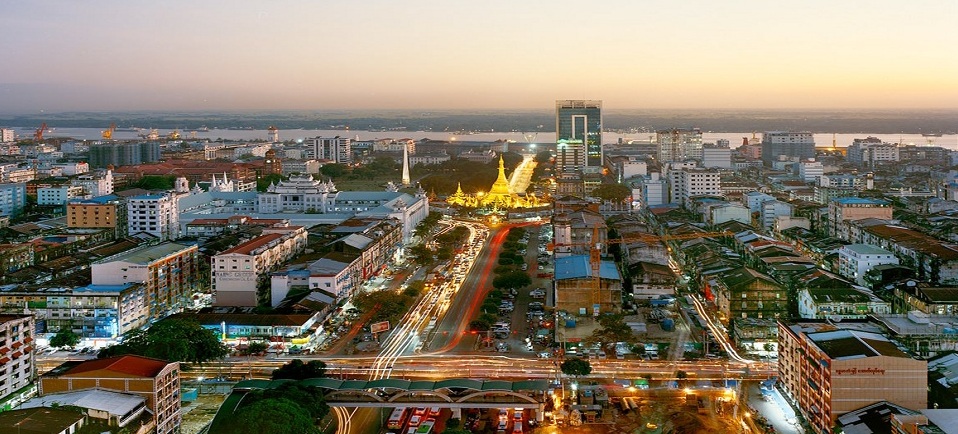
Amidst the vibrant tapestry of Southeast Asia, Yangon—the commercial capital of Myanmar—emerges as a city of contrasts and confluences. Its skyline is punctuated by the dazzling shimmer of golden pagodas and the stately decay of colonial-era buildings, each telling tales of a storied past and a dynamic present. Stepping into Yangon is akin to opening a living history book, where every street corner exudes a sense of enduring legacy.
The origins of Yangon date back to the 6th century when it was established as a small fishing village known as Dagon by the Mon people. It wasn't until 1755, under the reign of King Alaungpaya, that the city was renamed Yangon, meaning "End of Strife" in Burmese. Throughout its history, Yangon has been a focal point of colonial ambition, notably transformed during the British occupation in the 19th century. The city became the capital of British Burma, and its urban landscape was shaped by grand architectural projects and infrastructure. The city bore witness to pivotal historical events, including the rise of nationalist movements in the early 20th century and the turbulent days of World War II.
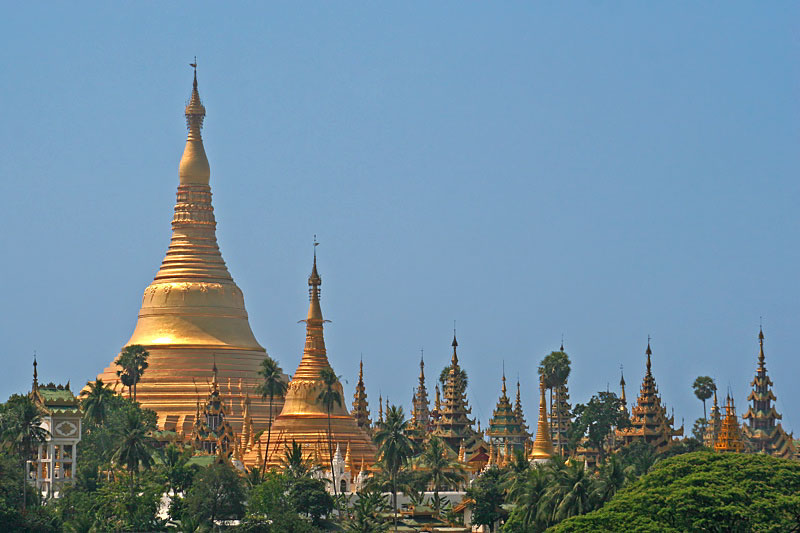
Yangon’s architectural landscape is a testament to its colonial past and Buddhist heritage. Walking through the city, one cannot miss the resplendent Shwedagon Pagoda, a sacred Buddhist site believed to be over 2,500 years old. This iconic structure, gilded with tens of thousands of gold plates and encrusted with precious stones, stands as a beacon of spirituality. In contrast, the faded grandeur of colonial-era buildings like the Yangon City Hall and the Strand Hotel speak of a bygone era. These structures, with their neoclassical facades and intricate details, reflect the artistic ambitions of the British Empire. Meanwhile, Yangon’s bustling markets and streets are canvases for vibrant local art, from traditional puppetry to contemporary paintings that capture the country's multifaceted identity.
Cultural traditions in Yangon are equally rich and diverse. The city is a melting pot of ethnicities and religions, where Buddhist rituals and festivals like the Thingyan Water Festival—celebrating the Burmese New Year—blend seamlessly with Christian, Hindu, and Muslim practices. The Tazaungdaing Festival, a celebration of lights marking the end of the rainy season, illuminates Yangon's night skies with a spectacle of lanterns and fireworks. These festivals are not just celebrations but are deep-rooted expressions of community and faith, offering visitors a glimpse into the soul of Myanmar.
No exploration of Yangon is complete without indulging in its gastronomy. The city's culinary offerings are a delicious reflection of its cultural diversity. Street vendors serve up mohinga, a beloved breakfast dish of rice noodles in a fish-based soup, often considered the national dish. Laphet thoke, a tangy salad made with pickled tea leaves, is another must-try. Yangon’s food scene is a delightful blend of flavors and influences, with Indian, Chinese, and Thai elements enriching the local palette. For a refreshing drink, try shwe yin aye, a sweet and creamy coconut milk dessert that's perfect for cooling down in the tropical climate.
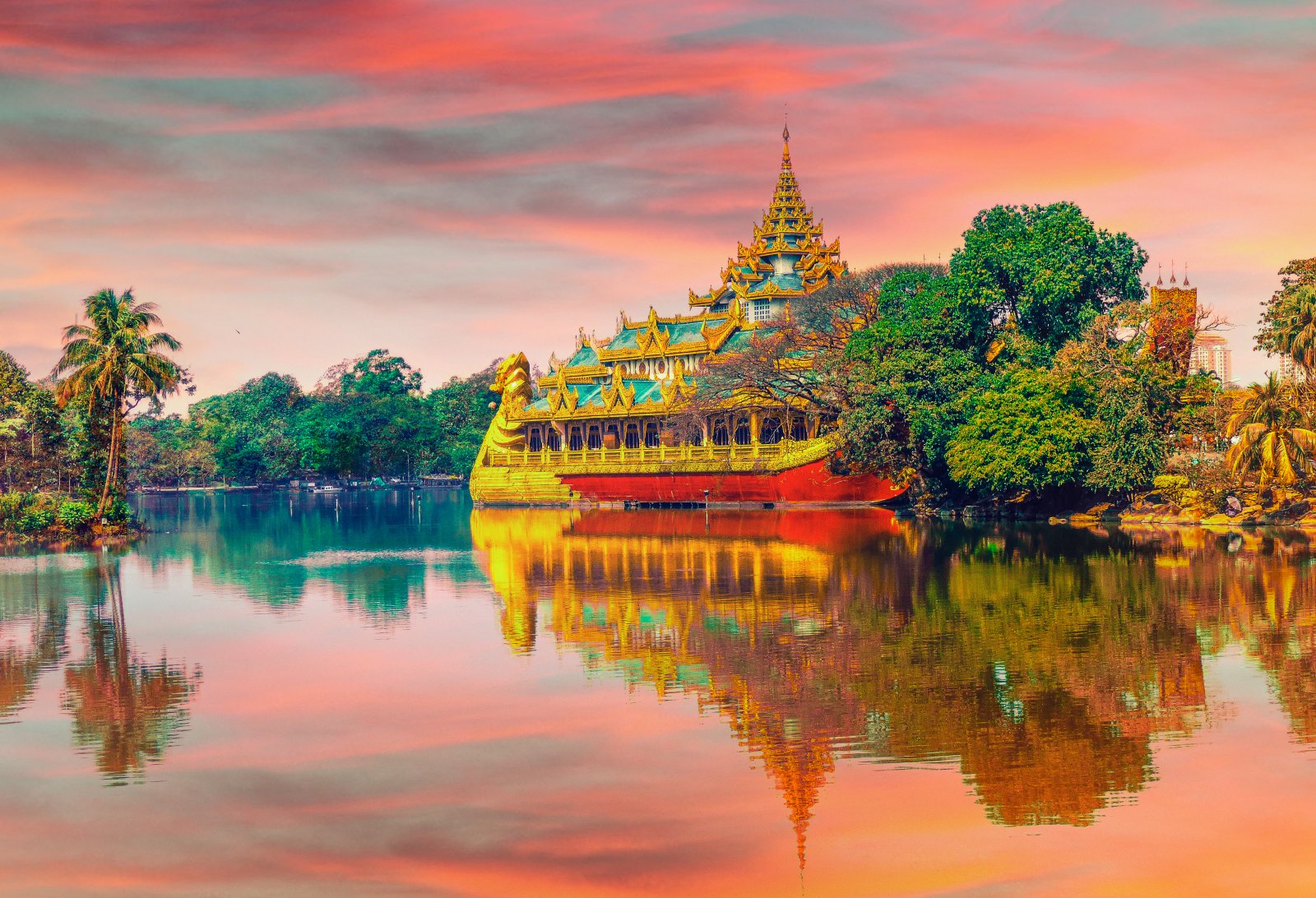
Beyond the well-trodden paths, Yangon holds lesser-known curiosities that intrigue the intrepid traveler. The Kandawgyi Lake, with its serene waters and the majestic Karaweik Palace, offers a tranquil respite from the city's hustle. Also intriguing is the Circular Railway, a local commuter train that provides a unique, slow-paced glimpse into the daily life of Yangon’s residents. Each stop along the route reveals different facets of the city, from bustling markets to quiet suburban neighborhoods.
For those planning a visit, the best time to explore Yangon is between November and February when the weather is cooler and drier. It’s advisable to dress modestly, especially when visiting religious sites, as a sign of respect for local customs. Keep an eye out for the local handicrafts, particularly the intricate lacquerware and traditional textiles that make for meaningful souvenirs. As you wander through the city, don't rush—Yangon is best savored slowly, allowing its stories and secrets to unfold at their own pace.
In Yangon, every experience is an immersion into the rich tapestry of Myanmar's history, culture, and daily life. Whether you're marveling at the golden glow of the Shwedagon Pagoda at sunset or savoring the complex flavors of local street food, the city promises an unforgettable journey into the heart of Southeast Asia.
