



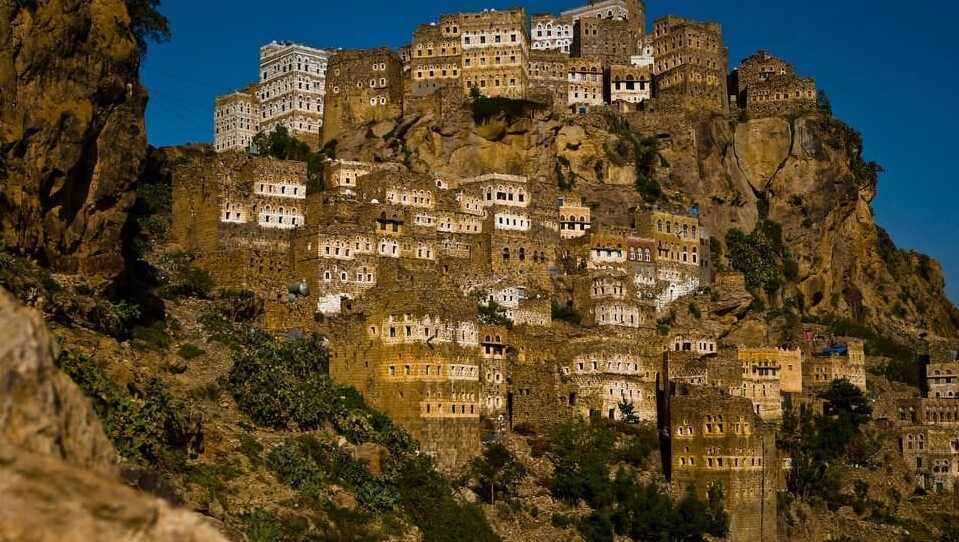
Perched dramatically on a precipice, Al Hajjarah in the Manakha district of Yemen is a stunning testament to human ingenuity and architectural brilliance. This ancient citadel, nestled amidst the rugged terrain of the Haraz mountains, captivates visitors with its breathtaking views and rich tapestry of history, art, and culture.
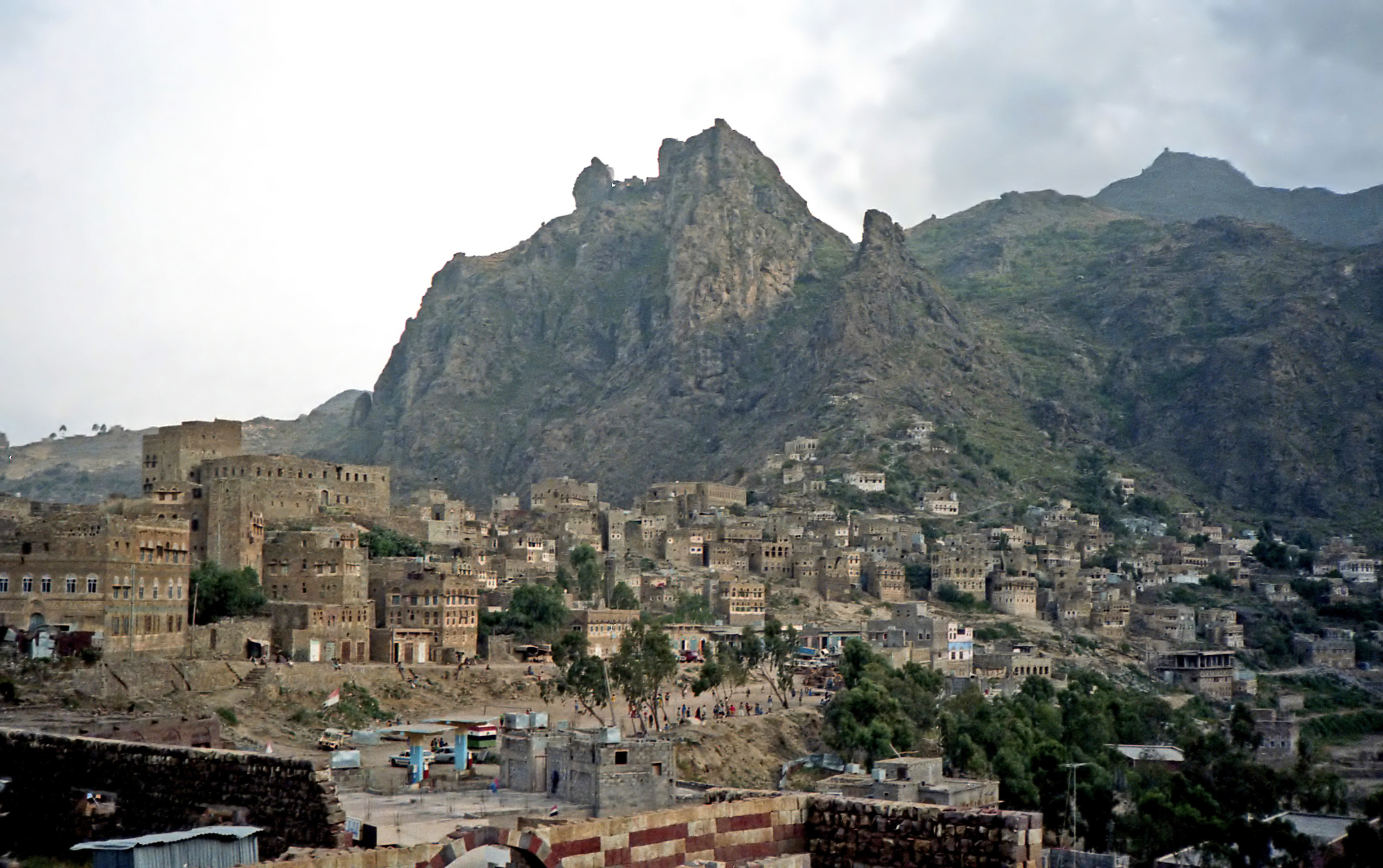
The origins of Al Hajjarah date back to the 12th century when it was established during the reign of the Sulayhid dynasty. The town was strategically founded to serve as a fortified stronghold, providing refuge and defense against invading forces. Over the centuries, it played a crucial role in the region's defense, thanks to its naturally fortified position. The town's history is marked by its resilience and adaptability, having withstood numerous sieges and conflicts, including those during the Ottoman era.
Architecturally, Al Hajjarah boasts a unique style that blends seamlessly with its dramatic cliff-side setting. The town is renowned for its towering stone buildings, which rise several stories high and appear to emerge organically from the rocky cliff faces. These structures, constructed from local stone, are masterpieces of medieval engineering and design. The narrow, winding alleys and intricately carved wooden doors reflect the artistic sensibilities of the region, creating a living gallery of Yemeni traditional architecture.
Culturally, the people of Al Hajjarah are deeply rooted in their traditions and customs. The town's inhabitants, predominantly from the Ismaili sect, are known for their warm hospitality and communal spirit. Traditional music and dance play a significant role in local festivals, with celebrations like Eid al-Fitr bringing the community together in vibrant displays of cultural heritage. The rhythmic beats of the sahari drum and the graceful movements of traditional dancers offer a glimpse into the soul of Yemeni culture.
The gastronomy of Al Hajjarah is both a delight and a revelation for those fortunate enough to experience it. The town's cuisine is characterized by its use of locally sourced ingredients, with dishes like saltah—a hearty meat stew topped with a fenugreek froth—embodying the robust flavors of the region. Bint al-Sahn, a sweet honey cake, is another local delicacy, often served during festive occasions. Visitors can also enjoy a cup of qishr, a traditional Yemeni coffee made from the dried husks of coffee beans, offering a unique taste that reflects the area's long history with coffee cultivation.
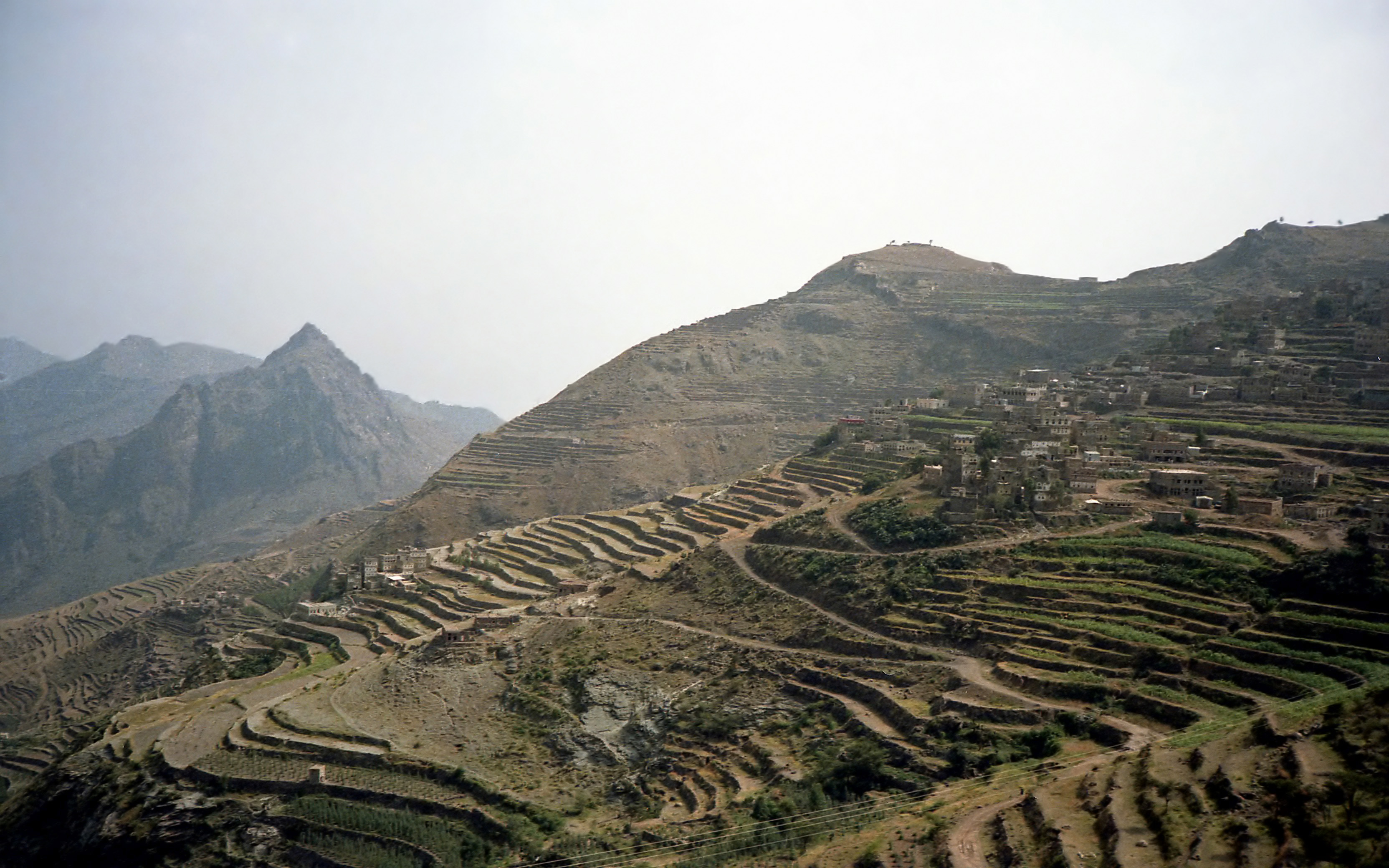
Beyond its immediate allure, Al Hajjarah holds lesser-known curiosities that intrigue and surprise. One such feature is the ancient water management system used by the town's inhabitants, showcasing their resourcefulness in harnessing the scarce water resources of the region. The town also offers a glimpse into the ancient practice of terrace farming, with verdant terraces carved into the mountainside, illustrating a harmonious relationship between the people and their environment.
For travelers seeking to explore this hidden gem, the best time to visit Al Hajjarah is during the cooler months from October to March. This period offers pleasant weather, ideal for hiking and exploring the surrounding landscapes. Visitors should be prepared for the town's steep and narrow pathways, so comfortable walking shoes are a must. Exploring the local markets can also be a rewarding experience, where one might find handcrafted goods and traditional textiles as unique souvenirs.
Al Hajjarah is a place where history, culture, and nature converge to create an unforgettable experience. Its ancient walls echo the stories of a bygone era, while its vibrant community continues to uphold the rich traditions of the region. As you wander through its labyrinthine streets and marvel at its architectural wonders, you become part of a narrative that transcends time, a narrative that continues to unfold on the majestic cliffs of Yemen.
