



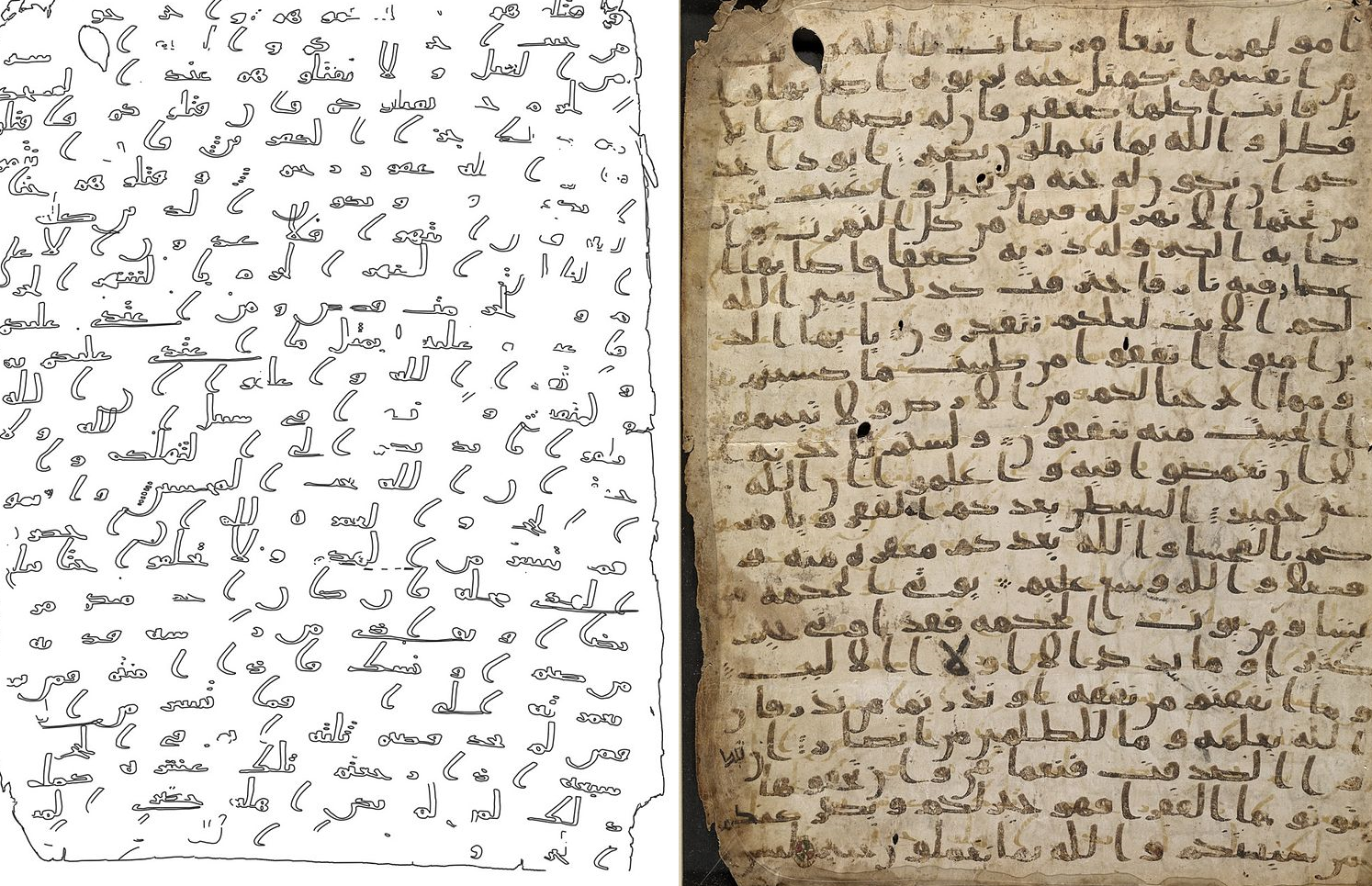
Sana’a, Yemen, is a land steeped in history, where ancient traditions intertwine with rich cultural narratives. Among its treasures, the Sana’a manuscript stands out as a profound symbol of the Islamic faith and an invaluable piece of history. Until recently, this manuscript was believed to be the oldest pieces of the Quran in existence, and its journey from obscurity to recognition is as compelling as its contents.
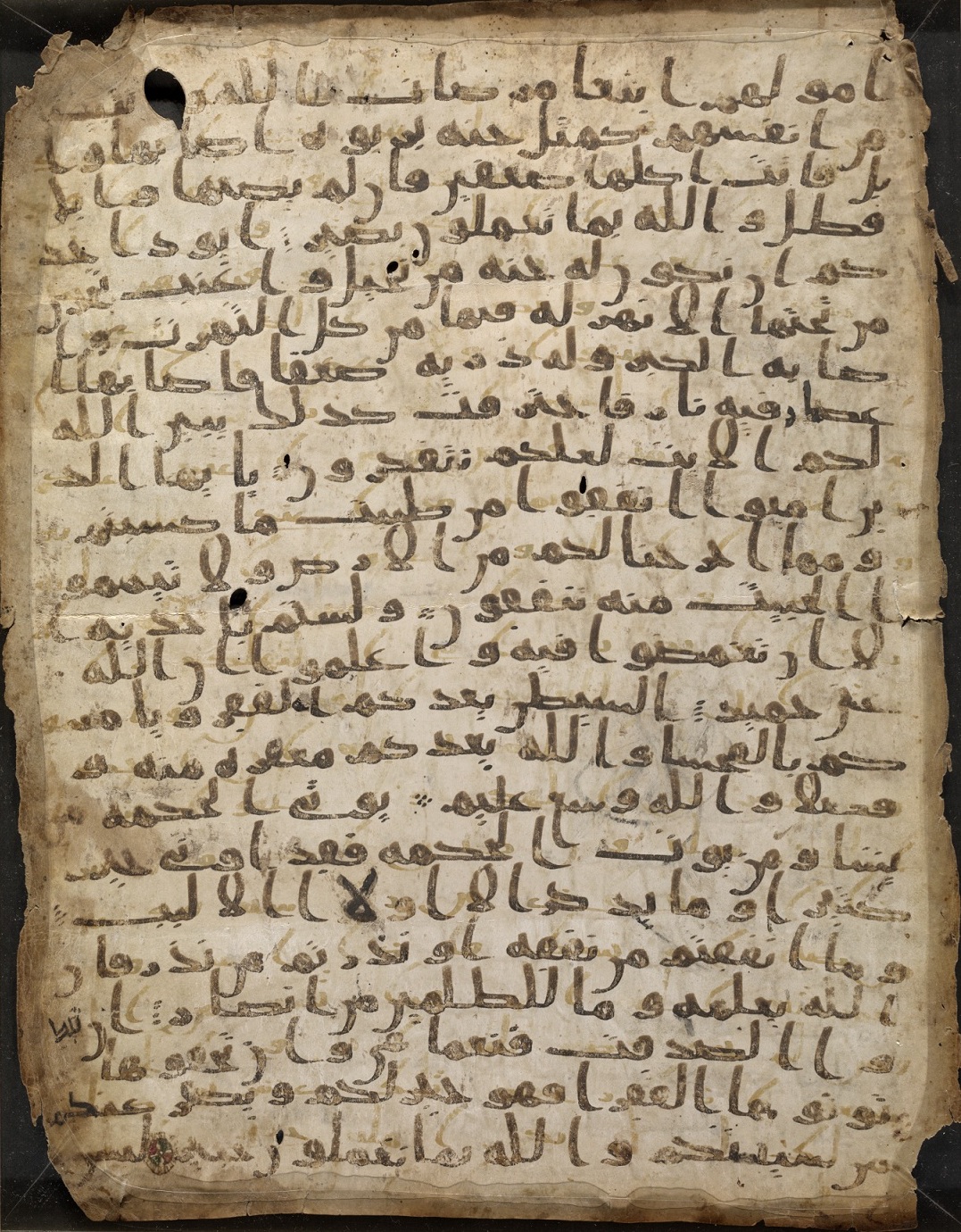
The manuscript was first discovered in 1972 during renovations of the Great Mosque of Sana’a, a significant landmark that embodies the spirit of Yemeni architecture. Construction workers, while sifting through the rubble, uncovered a large cache of Quranic and non-Quranic manuscripts, treated as mere refuse, poorly preserved and heavily damaged. The discovery marked a pivotal moment in Islamic scholarship, with the manuscript eventually identified as part of the Quran in 1981.
Radiocarbon dating has placed the origins of the manuscript between 632 AD and 671 AD, with the lower codex accurately dated to 671 AD. This period is crucial as it encapsulates the early years of Islam, allowing scholars to glean insights into the Quran's development and transmission.
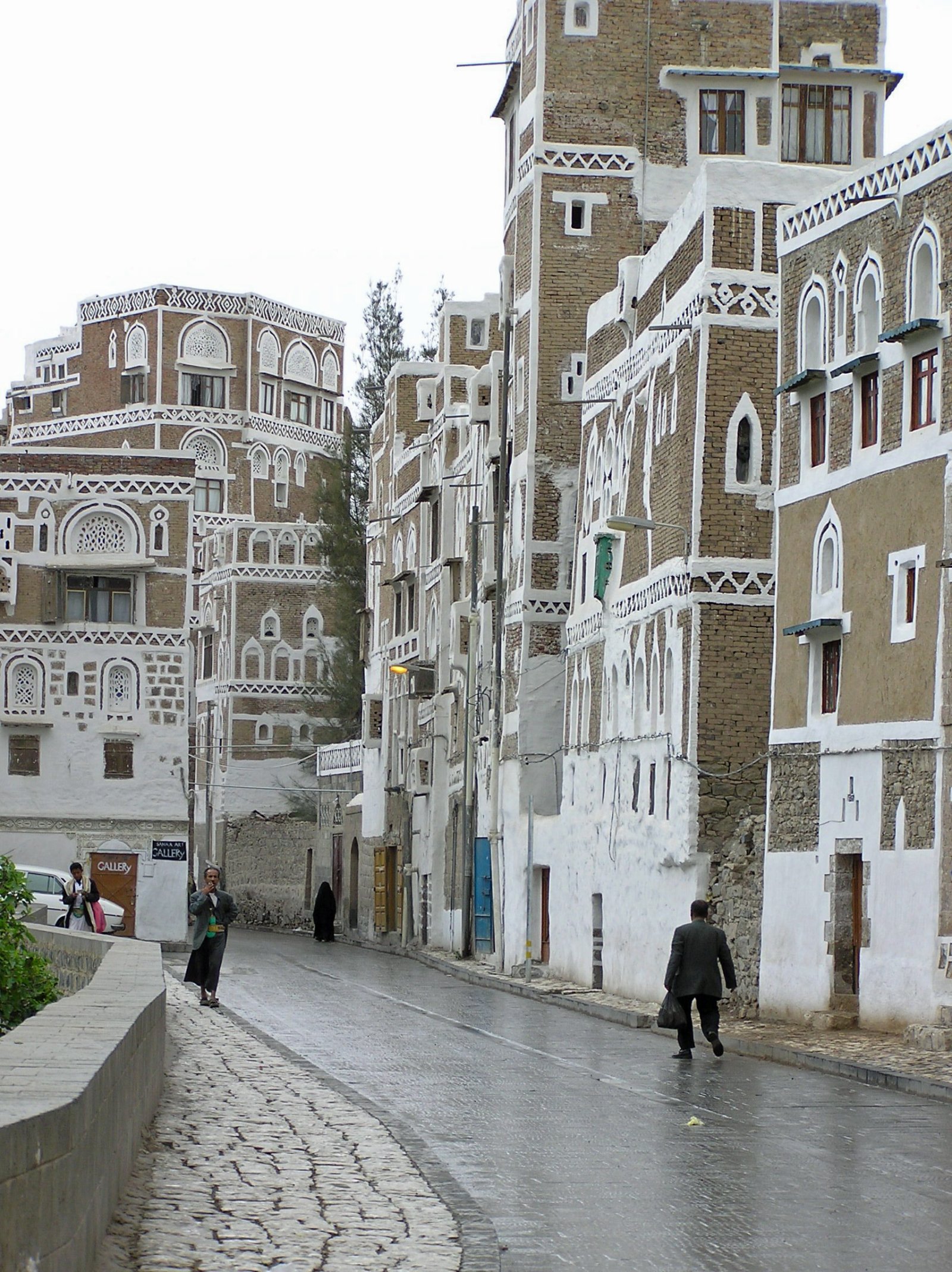
Architecturally, Sana’a reflects a unique style that marries Islamic and pre-Islamic influences. The Great Mosque, built during the lifetime of the Prophet Muhammad, is a stunning example of Islamic architecture, featuring intricate geometric patterns and a majestic prayer hall that draws visitors into its serene atmosphere. The city itself is adorned with tabbāq (multi-story houses) made from mud brick, which create a striking skyline against the backdrop of the Hawf mountains.
Within the walls of Sana’a, art flourishes not just in architecture but also through vibrant local customs. Sana'a is a cultural melting pot, with traditions rooted in centuries of history. The Sana’a International Festival, held annually, celebrates local crafts, music, and dance. This event attracts visitors from across the region, showcasing Yemeni hospitality and the rich tapestry of its cultural heritage. The festival features traditional dances like the al-Sama’i, where performers don colorful attire and engage in rhythmic movements that tell stories of Yemen's past.
Culinary experiences in Sana’a are equally rich and diverse. Local dishes reflect both the bounty of the land and the influences of neighboring cultures. Zurbian, a fragrant rice dish typically served with lamb, and salta, a hearty stew flavored with herbs and spices, are must-tries. Accompanying these dishes, you’ll find shahi, a spiced tea that warms both body and spirit. Visitors often find delight in the local markets, where merchants proudly display their fresh spices and aromatic herbs, inviting you to sample their wares.
For those keen on lesser-known curiosities, Sana’a offers hidden gems that often elude the casual traveler. The old city, a UNESCO World Heritage site, is a labyrinth of narrow alleys and ancient buildings, where one can discover the intriguing tale of the Sana’a tower houses—some dating back hundreds of years. Each house tells a story through its architectural details, from intricate wood carvings to colorful stained glass windows, which are often overlooked by tourists.
Moreover, the Mausoleum of Imam Ali is less frequented but significant. It is a place of pilgrimage and reflection, housing the remains of important historical figures, and offers a glimpse into the spiritual life of Yemenis.
If you're planning a visit to Sana’a, the best time is between October and April, when the weather is mild and pleasant. The city’s altitude of about 2,200 meters (7,200 feet) means that summers can be quite hot, making the cooler months more enjoyable for exploration. Travelers should be mindful of local customs, dress modestly, and respect the cultural practices that define everyday life in Yemen.
While in Sana’a, do not miss the opportunity to visit the National Museum, where more manuscripts and artifacts are on display, offering a deeper understanding of Yemen's historical narrative.
In conclusion, the Sana’a manuscript and the vibrant culture of Sana’a weave together a rich tapestry of history that invites exploration. Each corner of this ancient city reveals stories waiting to be uncovered, making it a destination that resonates with those who seek to understand the heart of Yemen.
To enrich your experience, consider using the Secret World app to plan a personalized AI itinerary that guides you through the wonders of Sana’a.
