



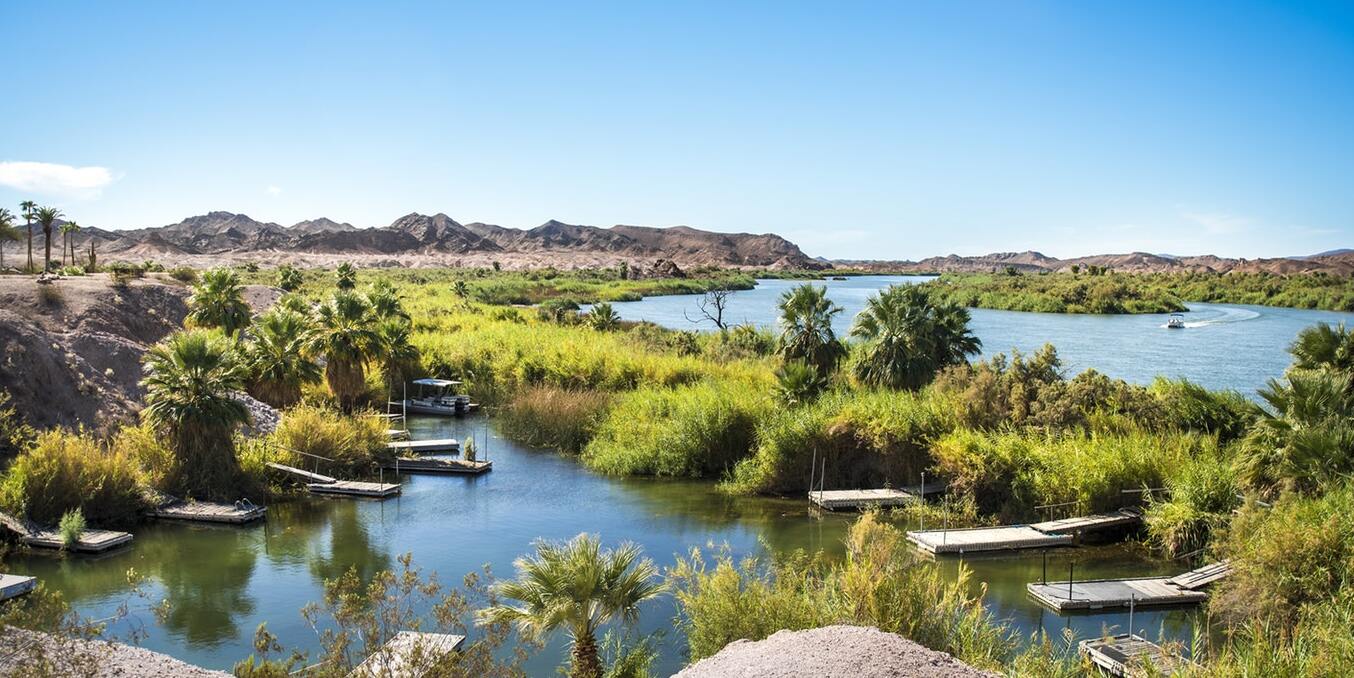
Nestled in the southwestern corner of Arizona, Yuma is more than just its record-breaking weather; it’s a city rich in history, culture, and unique experiences. Known as the sunniest city in the world, Yuma boasts an incredible average of 4,015 hours of sunshine each year, which contributes to its vibrant local life and agricultural success. But behind this desert oasis lies a fascinating story that stretches back thousands of years.
### History and Origins The history of Yuma is as rich as the land it occupies. Long before European settlers arrived, the area was inhabited by the Quechan (Cocopah) tribe, who thrived along the banks of the Colorado River. They utilized the river’s resources for fishing and agriculture, cultivating crops such as corn, beans, and squash. In 1540, Spanish explorer Garcia Lopez de Cardenas became one of the first Europeans to document the region.
Yuma became a significant site during the California Gold Rush in the mid-19th century, serving as a key crossing point for those traveling west. In 1854, it was officially founded as a military fort, Fort Yuma, which played a crucial role in protecting settlers and maintaining order in the burgeoning territory. The arrival of the railroad in the late 19th century further solidified Yuma's importance as a transportation hub.
### Art and Architecture Yuma’s architectural landscape reflects its rich history and diverse influences. One notable structure is the Yuma Territorial Prison, built in 1876, which is now a museum showcasing the history of criminal justice in Arizona. The prison’s rugged brick design and imposing walls tell stories of the notorious criminals who once inhabited its cells.
Another architectural gem is the Gila Valley Bank Building, an example of Romanesque Revival architecture constructed in 1892. Today, it houses the Yuma Art Center, which promotes local artists and hosts exhibitions that celebrate the city’s artistic heritage. Visitors can also explore Historic Downtown Yuma, where charming adobe buildings and vibrant murals reflect the city’s cultural tapestry.
### Local Culture and Traditions Yuma's culture is a vibrant mosaic of its indigenous roots and influences from Mexican heritage. The Annual Yuma Lettuce Days festival, held every March, celebrates the valley’s agricultural bounty, particularly its famed romaine lettuce. This lively event features cooking demonstrations, live music, and an array of local vendors, making it a delightful experience for both locals and visitors.
Additionally, the Quechan Tribe holds annual traditional events that showcase their unique customs, dances, and crafts. This cultural exchange is essential for preserving their heritage and sharing it with the broader community.
### Gastronomy A visit to Yuma would be incomplete without indulging in its local culinary scene. Known for its agricultural output, the region produces an abundance of fresh fruits and vegetables. Visitors should not miss trying Sonoran hot dogs, a local favorite that features a bacon-wrapped frankfurter topped with beans, onions, tomatoes, and a variety of sauces.
Another must-try is carnitas, a dish of slow-cooked pork that reflects Yuma's Mexican influence. Pair your meal with a refreshing glass of horchata, a traditional rice-based drink flavored with cinnamon and vanilla, perfect for quenching your thirst in the desert heat.
### Lesser-known Curiosities For those seeking hidden gems, Yuma offers a few surprises. One curiosity is the Yuma Proving Ground, one of the largest military installations in the world, which conducts testing on military vehicles and systems. Visitors can learn about military innovations and the history of the U.S. Army’s presence in the area.
Additionally, the Yuma Crossing National Heritage Area showcases the confluence of history and nature, with walking trails and historical markers that reveal the area’s significance as a crossing point for pioneers and soldiers.
### Practical Visitor Information The best time to visit Yuma is during the fall and spring months when temperatures are more moderate. However, if you can handle the heat, summer offers unique experiences, such as the opportunity to see the desert in full bloom.
Travelers should pack plenty of sunscreen and stay hydrated, as the sun can be intense. Make sure to explore local shops and eateries in Historic Downtown Yuma and consider visiting the Yuma Territorial Prison State Historic Park for a dose of history.
In conclusion, Yuma, Arizona, is a city where history, culture, and stunning weather converge to create a unique destination. Whether you’re soaking up the sun or exploring its rich past, Yuma offers a memorable experience that will linger long after your visit. For a personalized itinerary that captures all that Yuma has to offer, consider using the Secret World app to plan your adventure.
