



Nestled beneath the rugged cliffs of Wuzhou Mountain, the Yungang Grottoes stand as a monumental testament to China's rich historical tapestry. These ancient caves, located in Datong, are not merely a collection of rock carvings; they are an intricate narrative etched in stone, revealing the spiritual and artistic evolution of a bygone era.
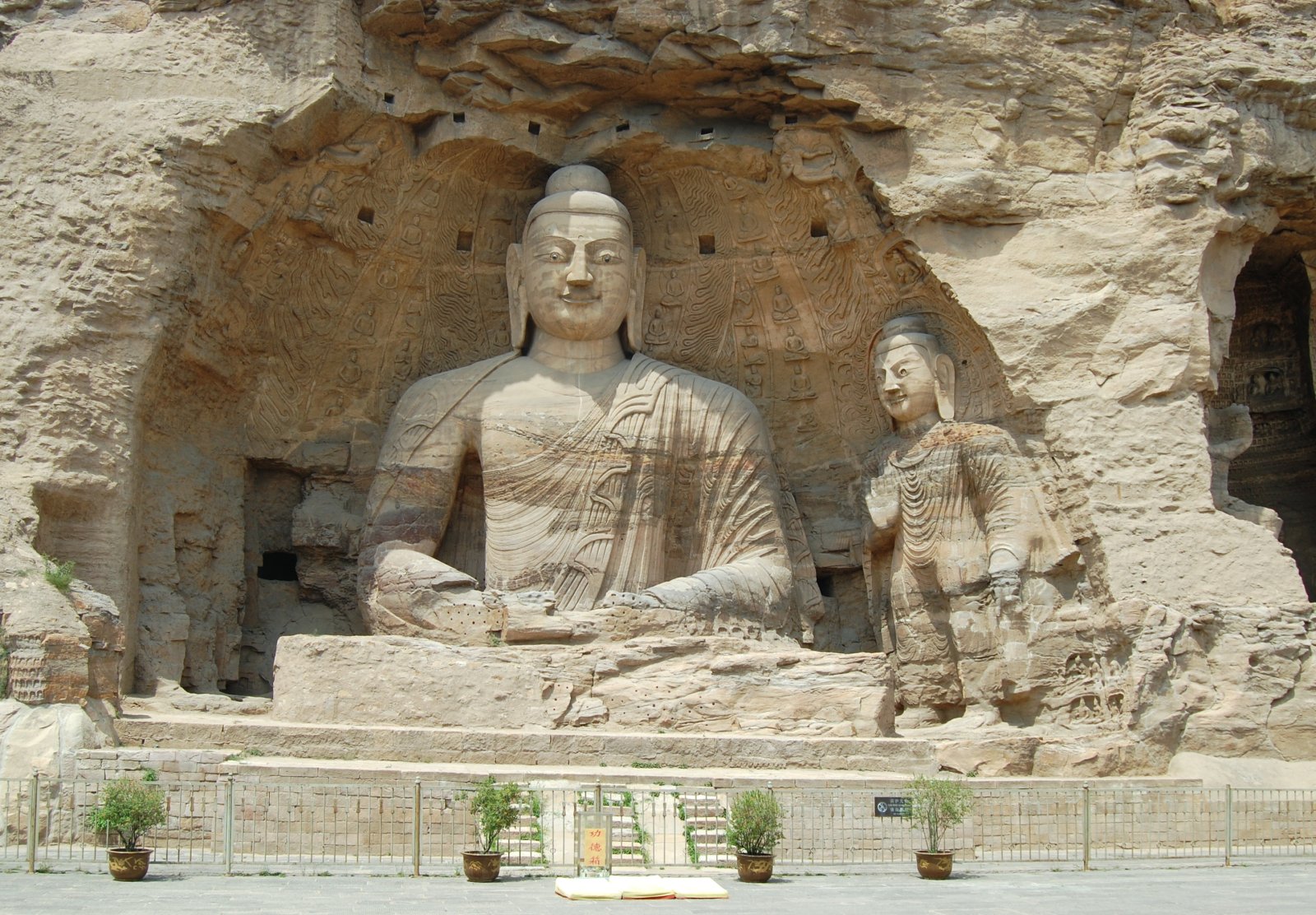
The Yungang Grottoes were excavated starting in 450 AD during the reign of the Northern Wei Dynasty. This period was marked by significant cultural and religious transformation as Buddhism began to gain a firm foothold in China, largely influenced by the Indian Gandhara art style. Over a span of several decades, artisans meticulously carved 53 caves, showcasing over 51,000 stone statues that reflect both the religious fervor of the time and the social dynamics of the Northern Wei society.
One of the most striking features of the grottoes is the largest cave, known as Cave No. 6. Towering at 20 meters (65.6 feet), this cave houses a remarkable 15-meter (49.2-foot) pagoda-like column adorned with intricate Buddha statues and decorative motifs. The walls of this cavern are a visual feast, with 33 embossed panels narrating the life and teachings of Sakyamuni, the historical Buddha. The artistry here exemplifies a harmonious blend of Indian and traditional Chinese influences, marking a pivotal moment in the evolution of Chinese Buddhist art.

Visiting the Yungang Grottoes is not merely an artistic journey; it also offers a glimpse into the local culture and traditions of Datong. The region has a rich history that has shaped its customs and lifestyle. One notable annual event is the Buddha’s Birthday, celebrated by local Buddhists with rituals and offerings at the grottoes. The community organizes lantern festivals and chanting ceremonies, infusing the atmosphere with reverence and spirituality.
Culinary experiences in Datong complement the historical landscape. The city is famous for its Datong noodles, a comfort food staple made from hand-pulled wheat dough. Another local delicacy is yangrou chuan (lamb skewers), grilled over open flames, offering a savory taste of the region's culinary heritage. Visitors should also try Datong's fried cakes, a delightful snack typically filled with sweet red bean paste or savory vegetables, perfect for enjoying during a day of exploration.
Amidst the grandeur of the grottoes, there are lesser-known curiosities that add depth to the experience. For instance, the Yungang Grottoes were not only a religious site but also a refuge for Buddhists during times of persecution. Some of the caves feature inscriptions in ancient scripts, offering insights into the thoughts and sentiments of the artisans. Furthermore, the caves were largely forgotten during the Ming Dynasty until rediscovered in the 19th century, sparking renewed interest and preservation efforts.
For those planning to visit the Yungang Grottoes, timing can greatly enhance the experience. The best months are April to October, when the weather is mild and conducive to exploration. Early mornings or late afternoons are ideal for capturing the perfect photographs, as the sunlight casts enchanting shadows on the intricate carvings. Be sure to wear comfortable shoes, as wandering through the extensive cave complex requires some walking.
When exploring, look closely at the details of the sculptures. Each statue tells a story, and some depict daily life in ancient China, offering a window into the past that many tourists overlook. Engaging with the local guides can also enrich your understanding, as they share anecdotes and historical context that breathe life into the stone figures.
The Yungang Grottoes are a remarkable intersection of art, faith, and history, inviting visitors to explore the depths of Chinese culture. Their enduring beauty and significance make them a must-visit destination, ensuring that each traveler leaves with a deeper appreciation of the past.
For a tailored experience that captures the essence of Datong, consider using the Secret World app to plan your personalized itinerary.
