
🎄 Win a month in Italy for two — €10,000 · The Secret Italy Prize GO →
Zamosc, Poland — Zamość
← Back
Historical Sites 📍 Zamość, Poland 174 views

Zamosc, Poland

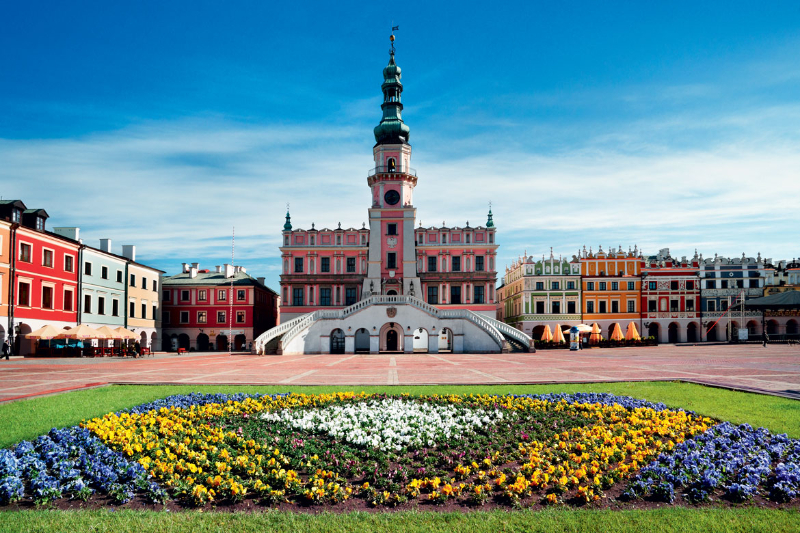
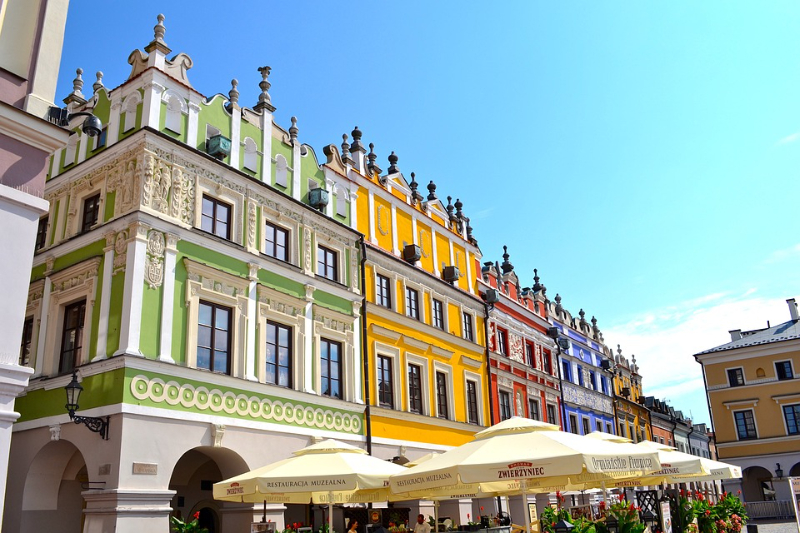
These delightful, turreted buildings line the city square in this small Polish town. With their intricate white designs, different on every house, and their arched entranceways, these tenement houses look like something out of a fairy tale. Zamosc sits near the Ukrainian border,...

Photo · Tania G.

Zamosc, Poland — Zamość, Poland.

Location
Zamość
Type
Historical Sites
Opening hours
Weather now
↗ Directions

About Zamosc, Poland

Zamosc, Poland - Zamość | Secret World Trip Planner

These delightful, turreted buildings line the city square in this small Polish town. With their intricate white designs, different on every house, and their arched entranceways, these tenement houses look like something out of a fairy tale. Zamosc sits near the Ukrainian border, and its well-preserved “old neighborhood” has earned it the title of UNESCO World Heritage Site.
Zamosc, Poland - Zamość | Secret World Trip Planner

Zamosc was founded in the 16th century by the chancellor Jan Zamoysky on the trade route linking western and northern Europe with the Black Sea. Modelled on Italian theories of the 'ideal city' and built by the architect Bernando Morando, a native of Padua, Zamosc is a perfect example of a late-16th-century Renaissance town. It has retained its original layout and fortifications and a large number of buildings that combine Italian and central European architectural traditions. Located on the trade route linking western and northern Europe with the Black Sea, Zamość was conceived as a trade-based economic centre. From the outset it was intended to be multinational, and had a high level of religious tolerance. It became the tangible reflection of the social and cultural ideas of the Renaissance, which were readily embraced in Poland, as exemplified by the establishment of a university (Zamość Academy) by Jan Zamoyski, the founder and owner of the town. His architect Bernardo Morando’s city plan combined the functions of a residential palace, an urban ensemble, and a fortress, all in accordance with Renaissance concepts.

The Old City of Zamość has two distinct sections: on the west is the Zamoyski palace, and on the east is the town proper, laid out around three squares. The central Great Market Square, located at the junction of the town’s two main axial streets, is enclosed by arcaded merchants’ houses and anchored by a magnificent Town Hall. These and many other notable structures such as the cathedral, arsenal, and fortification gates illustrate a key feature of this great undertaking: a creative enhancement realized through the incorporation of artistic achievements attained in local architecture. The consistent implementation of Morando’s plan over time has resulted in a stylistically homogeneous urban composition with a high level of architectural and landscape values.

Frequently Asked Questions

Zamość earned UNESCO World Heritage status due to its exceptionally well-preserved Old Town, which is a perfect example of a late-16th-century Renaissance city. The town has retained its original layout, fortifications, and numerous buildings that blend Italian and Central European architectural traditions, making it a tangible reflection of Renaissance ideals.
Zamość was founded in the 16th century by Jan Zamoyski, the Polish chancellor, who commissioned Italian architect Bernardo Morando from Padua to design the city. It was conceived as a trade-based economic center on the route linking Western and Northern Europe with the Black Sea, and was built according to Italian Renaissance theories of the 'ideal city'.
The centerpiece is the stunning Great Market Square, surrounded by arcaded merchants' houses with intricate white designs and arched entranceways that look like they're from a fairy tale. Other notable structures include the magnificent Town Hall at the square's center, the cathedral, arsenal, fortification gates, and the Zamoyski palace on the western side of the Old City.
The tenement houses lining the Great Market Square feature turreted designs with intricate white decorative elements that are unique on every building, creating a cohesive yet individually distinct architectural ensemble. These buildings showcase the blend of Italian Renaissance and Central European styles that characterize the entire town.
Yes, Zamość was intentionally conceived as a multinational town from its foundation, with a high level of religious tolerance that was progressive for the 16th century. This inclusive vision was further supported by founder Jan Zamoyski's establishment of the Zamość Academy, reflecting the Renaissance ideas of social and cultural openness that the town embodied.

Experiences nearby · Zamość

Powered by Viator

See more on Viator.com

Secret World Hidden places, real stories — plan your trip
Get the app
