

The glass beneath your feet is transparent, and at 300 meters deep you can see the bottom of the Grand Canyon of Zhangjiajie. It is a sensation that is not easily forgotten: every step on the Zhangjiajie Glass Bridge is accompanied by that moment of primordial hesitation in which the brain refuses to believe what the eyes see. The bridge connects two rocky walls of the Tianmen Mountains, in the prefecture of 张家界市 (Zhangjiajie), in Hunan Province, China.
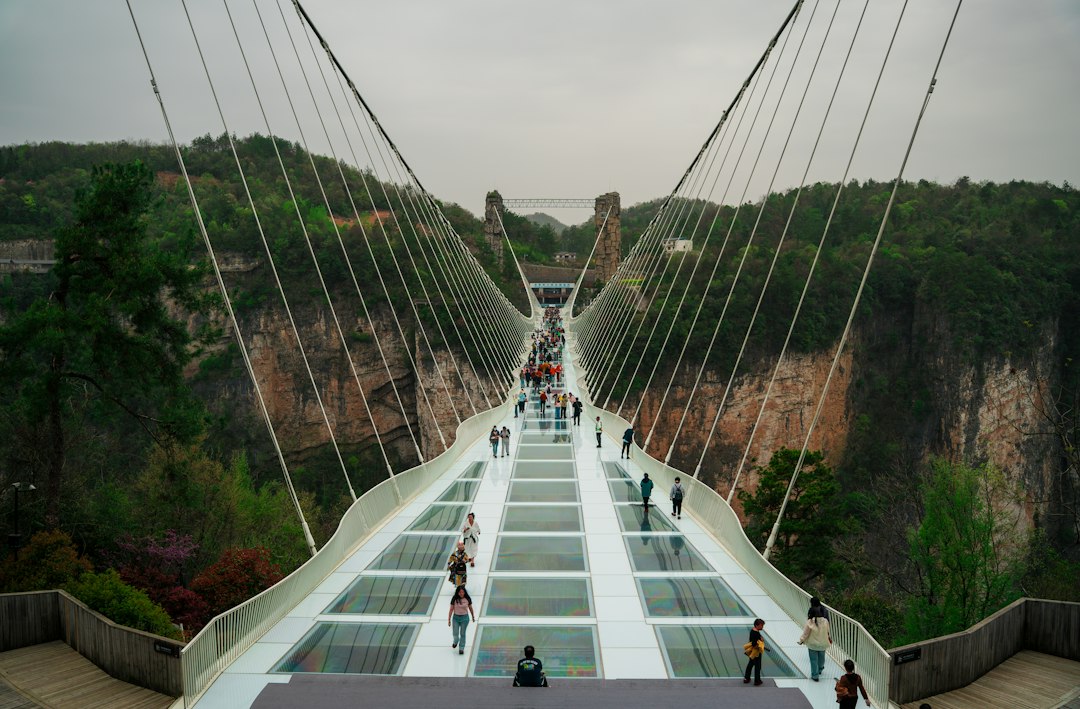
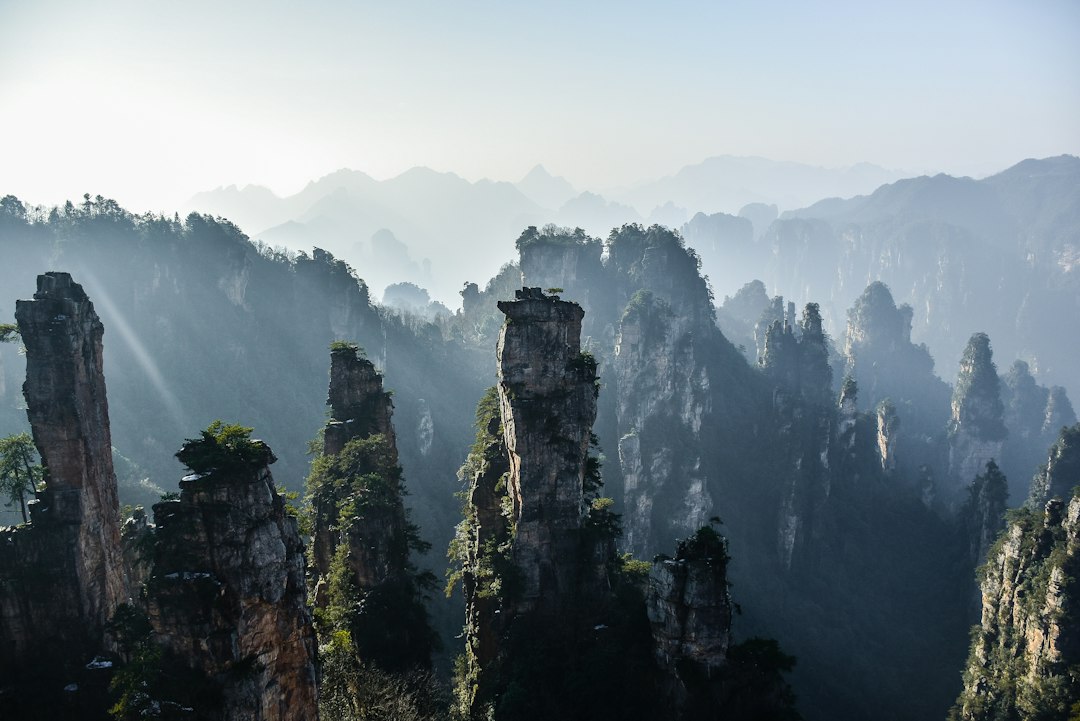
Inaugurated in August 2016, the bridge was designed by Israeli architect Haim Dotan, known for his ability to integrate artificial structures into extreme natural landscapes. With a length of 430 meters and a width of 6 meters, at the time of its opening it was the longest and highest glass-bottomed bridge in the world. The structure is suspended between the cliffs of the Grand Canyon of Zhangjiajie, a territory already famous for having inspired the landscapes of the film Avatar due to its sandstone pillars emerging from the mist.
How the bridge is made: details that can be seen live
Walking on the bridge, the first thing that strikes you is not the vertigo, but the structure itself. The floor is made up of 99 laminated glass panels, each consisting of three layers of tempered glass. Each slab is designed to support the weight of about 30 people at the same time, and the entire structure is certified to accommodate up to 800 visitors per day — a deliberately limited number to preserve both safety and the experience. The supporting steel beams run along the sides, anchored directly into the rock of the two canyon walls.
Looking down, on clear days, the river and vegetation at the bottom of the canyon are clearly visible. On days with low fog — common in this region — the bridge appears to float above a sea of clouds, with the rocky columns emerging like islands. It is a completely different sight, but equally spectacular. Along the path, informational panels in Chinese and English explain the local geology and the history of the park.
The physical experience: what to really expect
Many visitors report that the first ten meters are the most difficult. Once past the initial block, most people find a rhythm and are able to appreciate the surrounding landscape. The bridge does not sway perceptibly under normal conditions, but in the presence of strong winds, the structure may temporarily close — a precaution that park authorities enforce rigorously. Before ascending, visitors are provided with mandatory shoe covers to protect the glass panels from scratches and dirt.
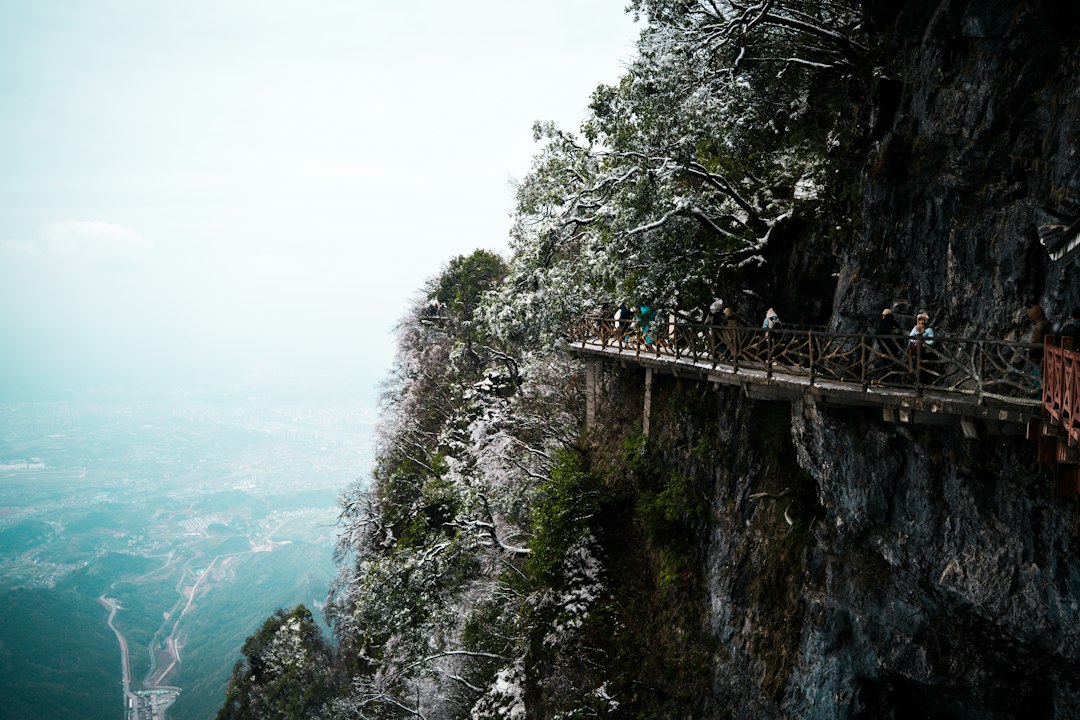
The complete round trip takes on average 20-40 minutes, depending on how long one stops to take photos or simply to look around. Some visitors take longer because they sit on the side edges, where the structure is solid metal, to gather the courage to move forward. There is no rush, and the staff present on the bridge is accustomed to handling all types of emotional reactions.
How to get there and practical information
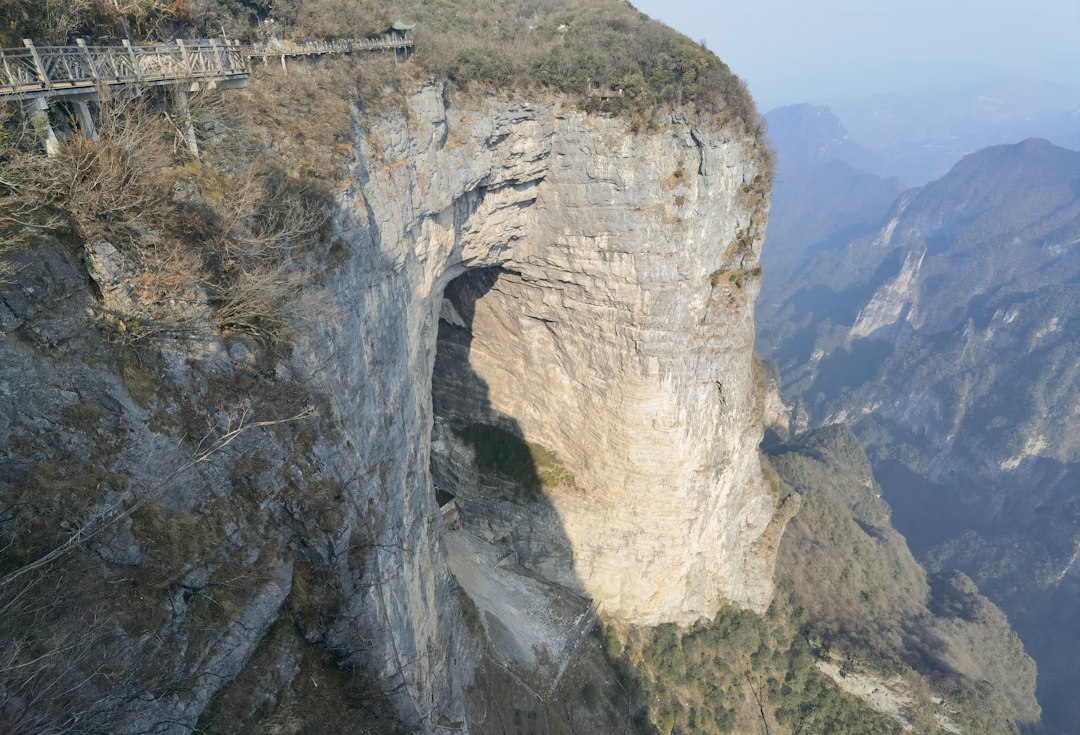
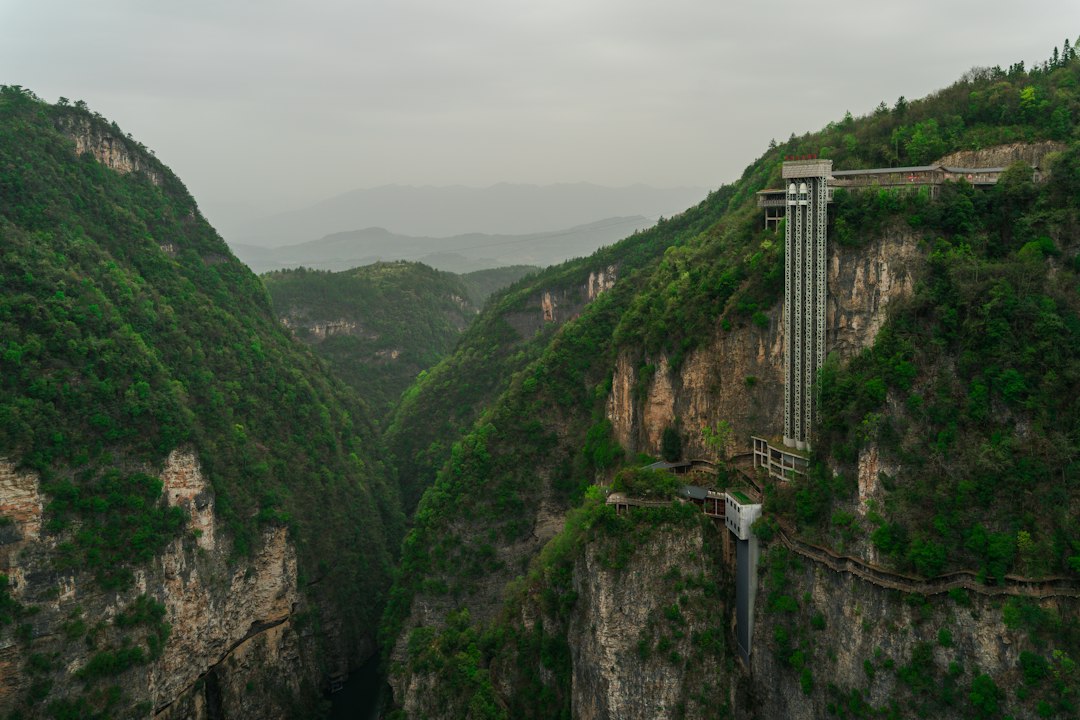
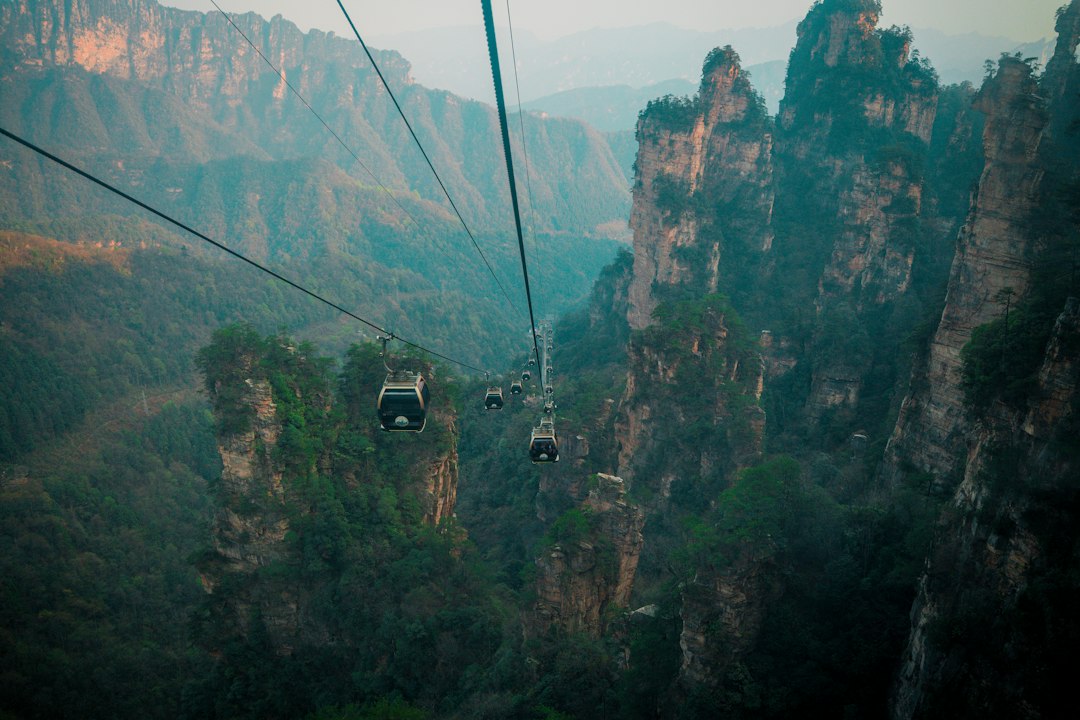
The Glass Bridge is located within the area of the Grand Canyon of Zhangjiajie (张家界大峡谷), accessible from the city of Zhangjiajie. The city can be reached by high-speed train from Changsha, the capital of Hunan province, with a journey of about 2 hours. From Zhangjiajie Hehua Airport, already used as a stopover for visitors to Zhangjiajie National Park, the canyon area can be reached in about 40 minutes by car or tourist bus.
The entrance ticket to the Grand Canyon, which includes access to the bridge, costs around 138 yuan (about 18 euros at the current exchange rate), but it is always advisable to check the updated rates on the official website or with local agencies, as prices may vary depending on the season. The most important practical advice: arrive at the park opening, around 8:00 in the morning, to avoid queues and enjoy the bridge with fewer visitors. The months of October and November generally offer clearer skies compared to summer, when monsoon rains frequently lead to temporary closures of the structure.
Why the trip is worth it
The Zhangjiajie Glass Bridge is not just an adrenaline-pumping attraction. It is an example of engineering that interacts with one of the most dramatic natural landscapes in East Asia. Haim Dotan's choice to use transparent materials is not accidental: the glass does not hide the canyon, it enhances it. The visitor is not above the landscape, but inside it, suspended between two rock walls that have formed over millions of years.
Those who suffer from vertigo may find the experience challenging, but rarely impossible: the fact that the bridge is wide and stable, with solid railings on both sides, makes it accessible even to those who do not consider themselves particularly brave. Bringing a light jacket is advisable even in summer, because at that altitude the wind can be cool and the perceived temperature is often several degrees lower than in the plain.


