
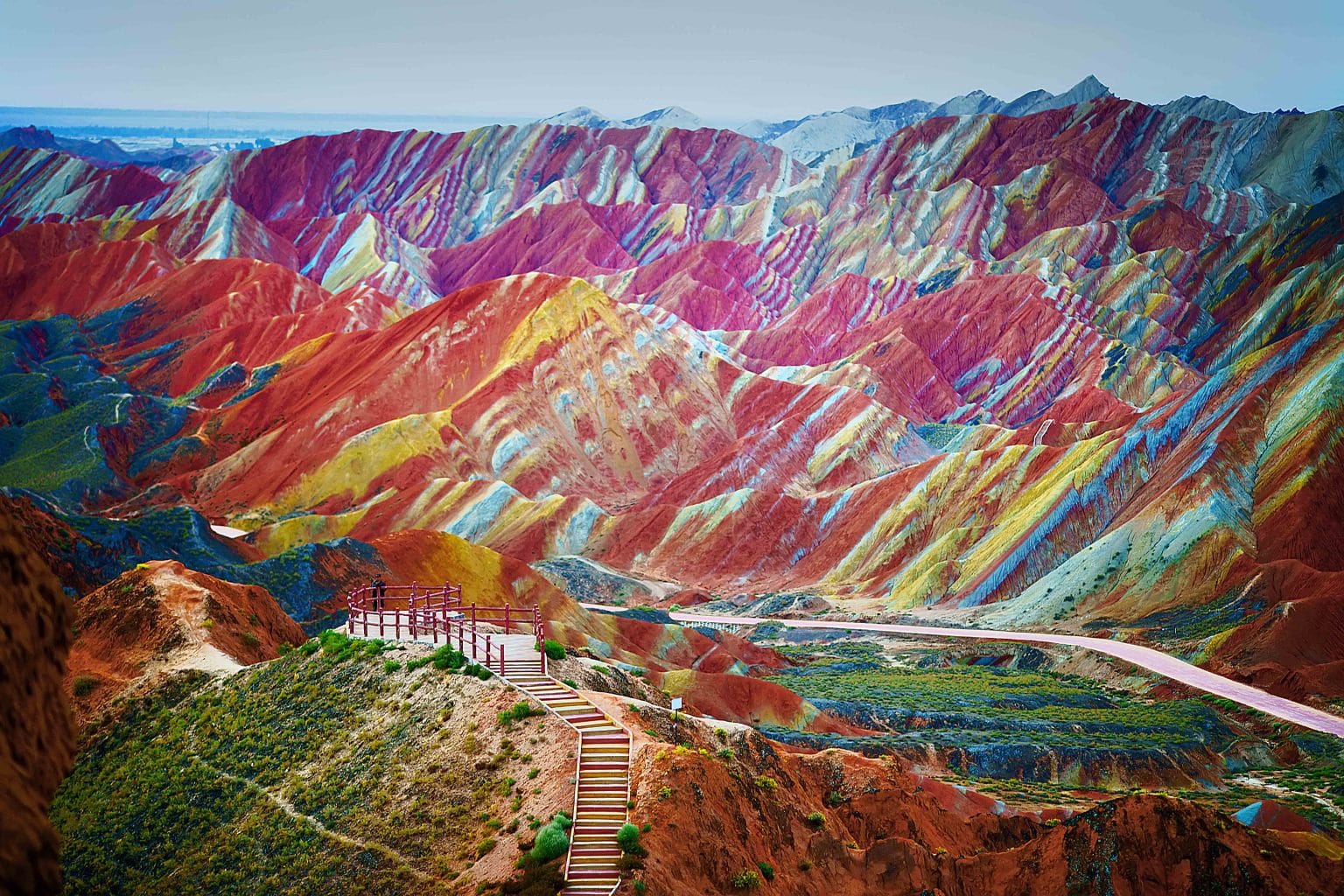

In the heart of China's Gansu Province, nestled between the foothills of the Qilian Mountains, lies a geological wonder that seems to have leapt from the pages of a fantasy novel. The Zhangye Danxia (Landform) Geopark is celebrated for its breathtakingly vibrant, multicolored rock formations that stretch across the landscape like an artist's palette of reds, oranges, yellows, and greens. This natural masterpiece, often referred to as the "Rainbow Mountains," offers a glimpse into Earth's tumultuous geological past, molded by millions of years of tectonic activity and erosion.
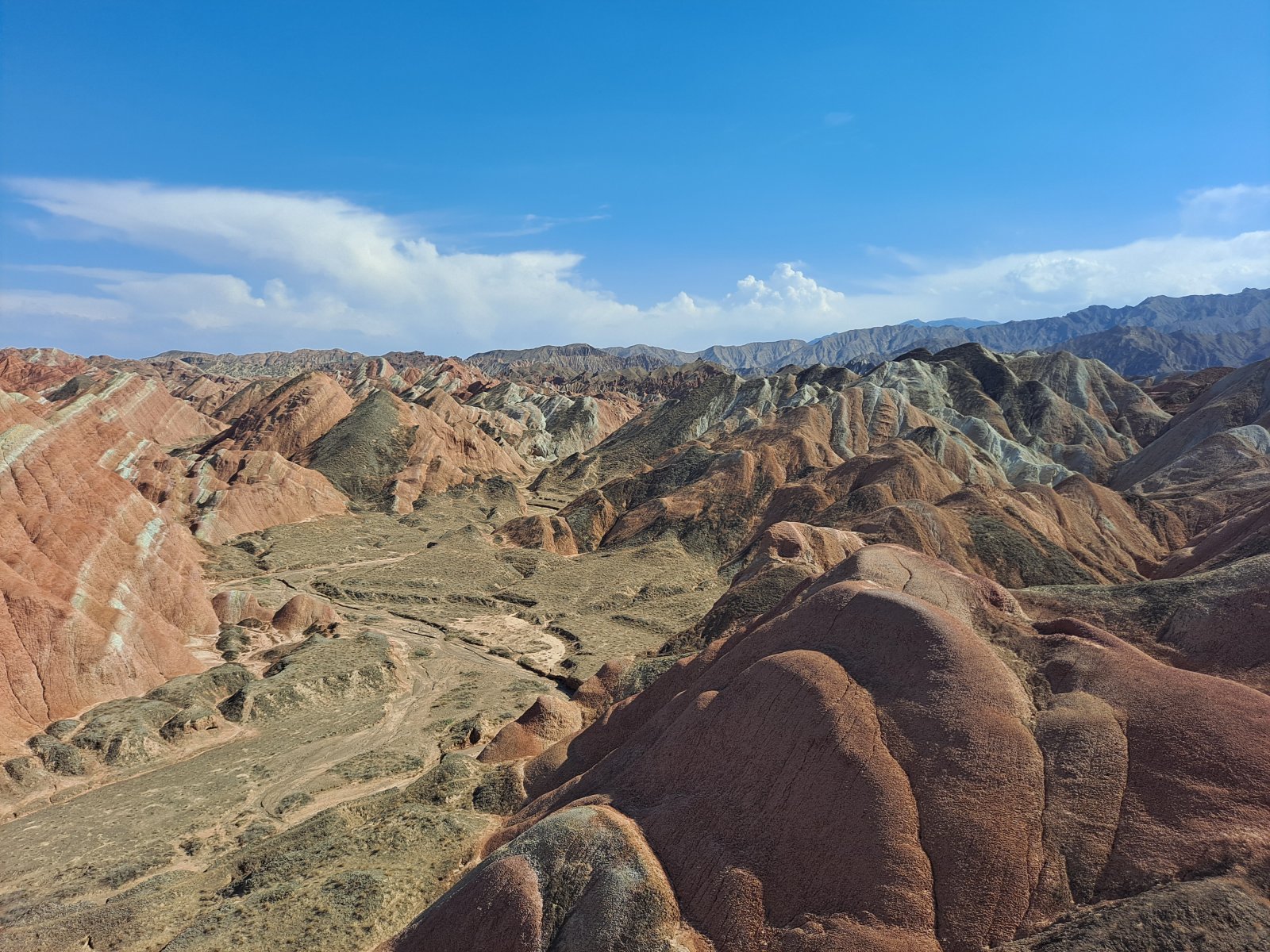
The origins of this geological marvel can be traced back over 24 million years. During the late Cretaceous period, layers of red sandstone and other minerals were laid down, one atop the other, gradually building the foundation of what would become the Danxia landscape. Named after the Chinese term "Danxia," which translates to "rosy cloud," these formations have been shaped by the relentless forces of wind and water. The unique coloring results from the red sandstone and mineral deposits, which oxidize like a vast, natural canvas painted by time itself.
While the Zhangye Danxia landscape is a testament to natural artistry, the surrounding region is steeped in human history. The area was once a vital node on the ancient Silk Road, a network of trade routes that connected the East and West. Merchants and travelers brought with them a confluence of cultures, enriching the local tapestry with diverse influences. The city of Zhangye itself, established during the Han Dynasty around 111 BC, has long been a melting pot of ethnicities and traditions, a heritage that continues to shape its cultural landscape today.
Visitors to Zhangye are often entranced not only by the geological splendor but also by the enduring cultural richness of the area. Traditional festivals, such as the Mati Temple Fair, held annually in August, celebrate the region's Buddhist heritage. Locals and travelers alike gather to honor the ancient traditions with prayer, music, and dance. The Mati Temple, carved directly into the cliffs, is an architectural marvel, showcasing intricate carvings and frescoes that echo the artistry seen in the natural landscape.
Culinary exploration is a must when visiting Zhangye. The local cuisine is a delightful fusion of flavors that reflect its position on the Silk Road. Zhangye beef noodles are a staple, offering a hearty dish that combines hand-pulled noodles with tender beef and a rich, savory broth. For those with a sweet tooth, Liangfen, a cool, jelly-like dessert made from mung beans, provides a refreshing contrast to the region's more robust flavors. Pair these dishes with a cup of Huangjiu, a traditional Chinese yellow wine, to experience the full spectrum of local gastronomy.
Beyond the well-trodden paths of Zhangye Danxia, there are hidden gems waiting to be discovered. Few visitors realize that the Binggou Danxia, a lesser-known section of the geopark, offers equally stunning vistas with fewer crowds. This area is characterized by its towering rock pillars and unique formations, some resembling ancient castles or fairy tale fortresses. The quiet solitude of Binggou provides a more intimate encounter with the natural world, ideal for those seeking tranquility away from the main tourist trails.
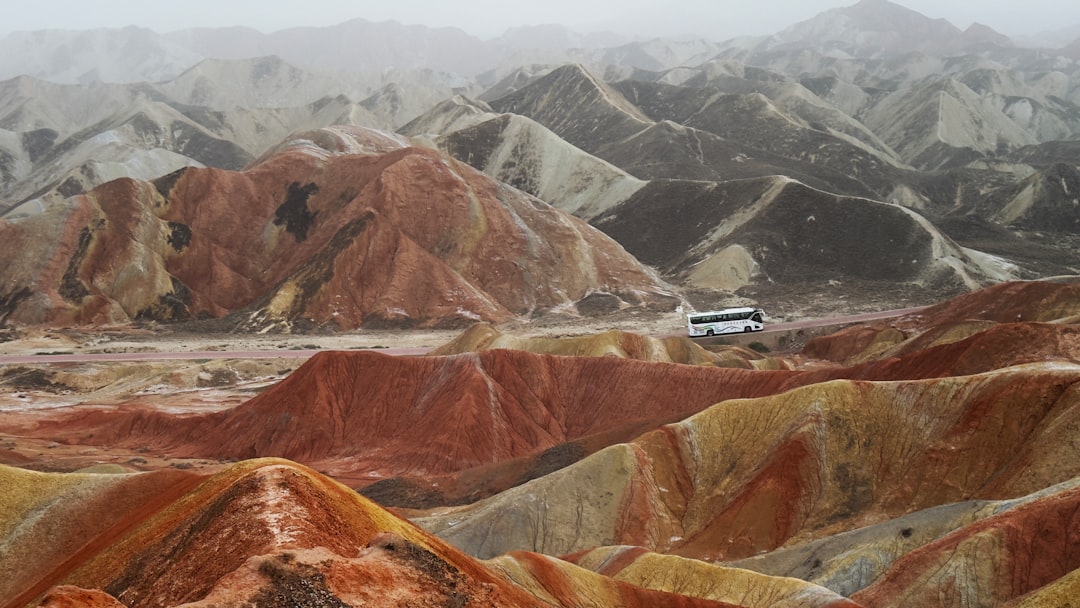
For those planning a visit, the best time to experience the Zhangye Danxia is during the late afternoon or early morning, when the sun casts a warm glow across the landscape, enhancing the vivid colors of the rocks. The peak seasons of June to September offer the most favorable weather, but travelers should be prepared for sudden temperature shifts due to the park's high-altitude location.
Practical tips for visitors include wearing sturdy footwear for the uneven terrain and bringing plenty of water to stay hydrated while exploring the vast expanse. Photography enthusiasts will find endless opportunities to capture the ever-changing play of light and shadow across the colorful rock faces, but it's essential to respect the natural environment by staying on designated paths and preserving the park's pristine beauty.
The Zhangye Danxia (Landform) Geopark is a place where the Earth's history is laid bare in a kaleidoscope of colors, inviting visitors to explore both nature's grandeur and the rich cultural heritage of a region that has long been a crossroads of civilization.


