
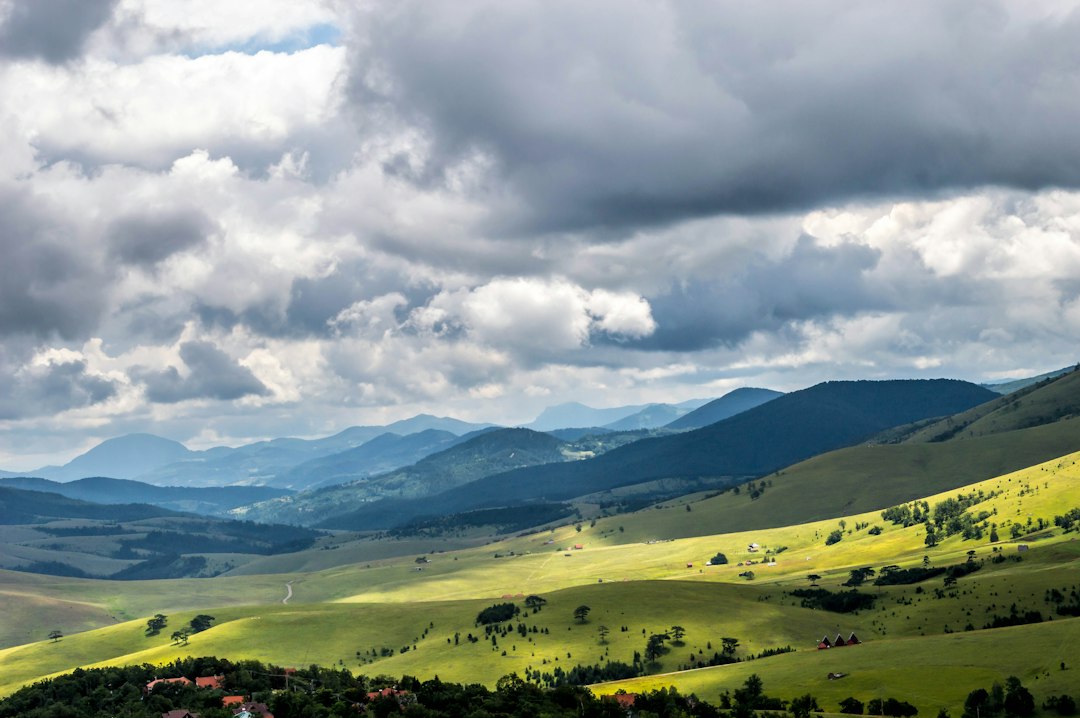

At 1,422 meters of the Čigota peak, the sky above western Serbia is tinged with orange and purple as the sun sets behind the Dinaric ridges. It is not a postcard: it is the daily reality of one of the most intact plateaus in the Balkans, where rolling pastures stretch as far as the eye can see and the air still carries the scent of wet grass and beech wood. Zlatibor is not just a destination, it is a state of mind that reveals itself especially in the golden hours of the evening.
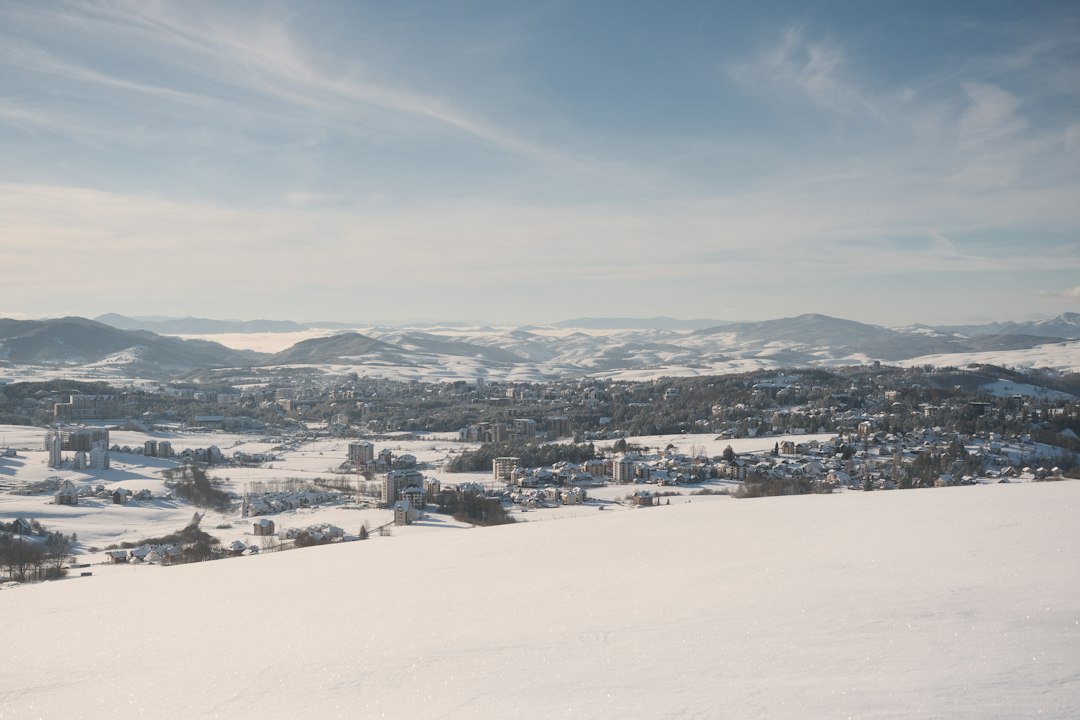
The Zlatibor plateau is located in the Zlatibor region, in the eponymous district of southwestern Serbia, about 250 kilometers from Belgrade. Known by Serbs as a holiday destination for decades, it has maintained an authentic character that many European destinations have long lost. Its altitudes, ranging from 1,000 to 1,500 meters, create a temperate microclimate that in summer offers cool evenings and clear skies, ideal conditions for observing sunsets in their purest form.
The summit of Čigota and the sunset panorama
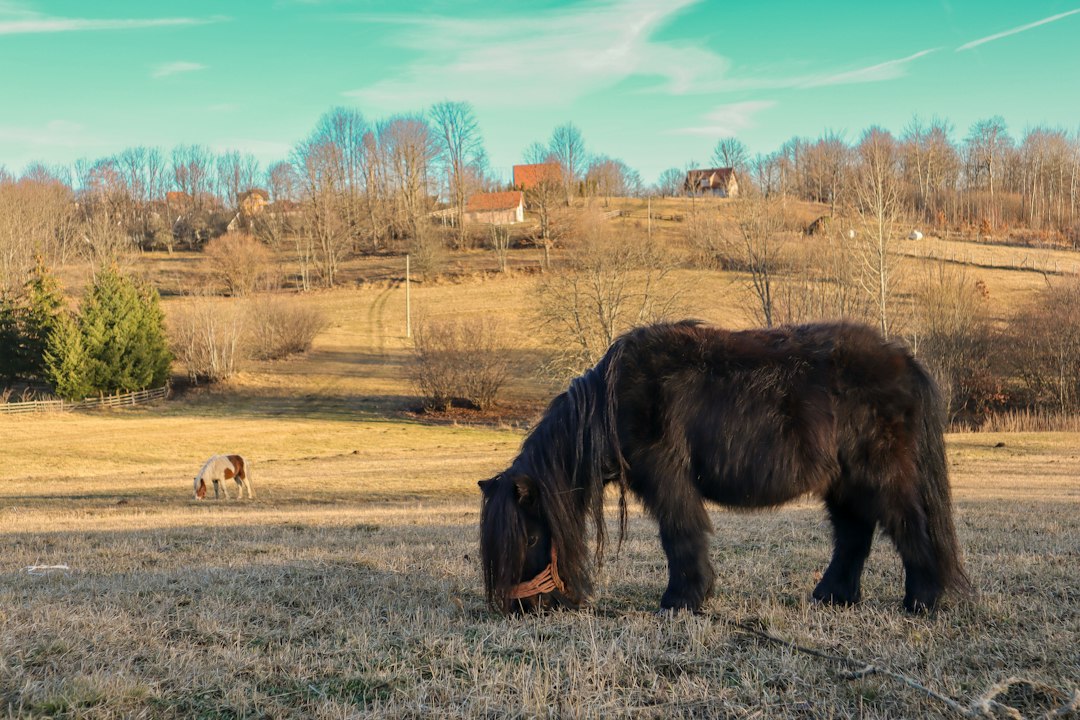
Čigota is the highest point easily reachable on the plateau, with its 1,422 meters of altitude. From here, in the hours leading up to sunset, a 360-degree view opens up over the high-altitude meadows, the scattered villages in the valleys, and, on clearer days, the distant ridges of the Dinaric Alps extending towards Bosnia and Montenegro. The late afternoon light transforms the pastures into a golden sea, while the long shadows of the beech trees draw improvised geometries on the ground.
What makes this sunset different from others is the human presence that accompanies it. Local shepherds still lead their flocks through the meadows at dusk, a centuries-old practice that remains intact. Watching the sheep move in line through the low fog, with the bells ringing in the still evening air, adds an almost timeless dimension to the visual experience. It is not folklore created for tourists: it is simply the daily life of Zlatibor.
How to reach Čigota and when to go
The tourist center of Zlatibor, from which most routes to Čigota depart, can be reached by car from Belgrade via the E763 highway heading south, with a travel time of about 3 and a half hours. From Užice, the nearest city, it takes only 30 minutes by road. Alternatively, there is a historic railway connection: the famous narrow-gauge railway Šargan Eight, a UNESCO heritage site, departs from Mokra Gora, just a few kilometers from the plateau, and offers a scenic access to the area.
The best time for sunsets at Čigota is from June to September, when visibility is at its best and the days are long. In July and August, the sky remains clear until around 8:30 PM, providing late and spectacular sunsets. Autumn brings more frequent fogs, but also extraordinary colors of the vegetation. It is recommended to reach the summit at least an hour before sunset to choose the best observation point and allow time to acclimatize.
The landscape and vegetation of the plateau
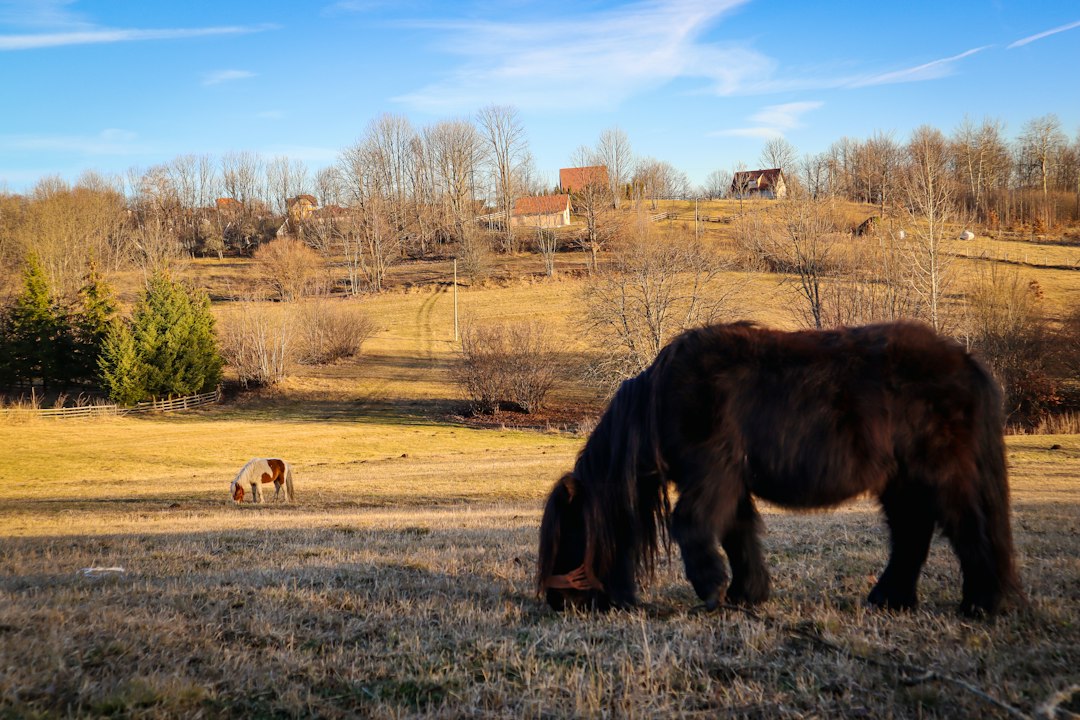
Zlatibor is characterized by vegetation that alternates between open meadows and forests of spruce and beech. The summit clearings, called katuni, have historically been used as summer pastures and still retain the typical wooden huts of shepherds. These buildings, constructed with traditional techniques that date back centuries, are part of the landscape just as much as the trees and rocks.
Walking towards Čigota in the summer months, one encounters wildflowers such as red clover, gentian, and various species of mountain orchids. The terrain is mostly grassy and accessible even to those without hiking experience: the main trail from the Zlatibor tourist station to the summit takes about 2 hours of moderate walking on a well-marked path.
Practical tips for enjoying the sunset at Čigota
Those who want to enjoy the sunset at the summit without haste should plan to spend the night in the area. The accommodation options in Zlatibor are wide-ranging and include both mid-sized hotels and small family-run guesthouses, with prices in high season starting from around 40-60 euros per night for a double room. Staying on-site allows for an early rise to witness the sunrise, which is equally spectacular.
A concrete tip: bring a warm layer even in summer. Even on July evenings, at that altitude, the temperature can quickly drop below 10°C after sunset. A headlamp is useful for the return, as the trails are not illuminated. Finally, avoid the weekends in August if you are seeking tranquility: Zlatibor is a popular destination among Serbs and the paths can be crowded. Weekdays in June or September offer the same beauty with much more solitude.


