
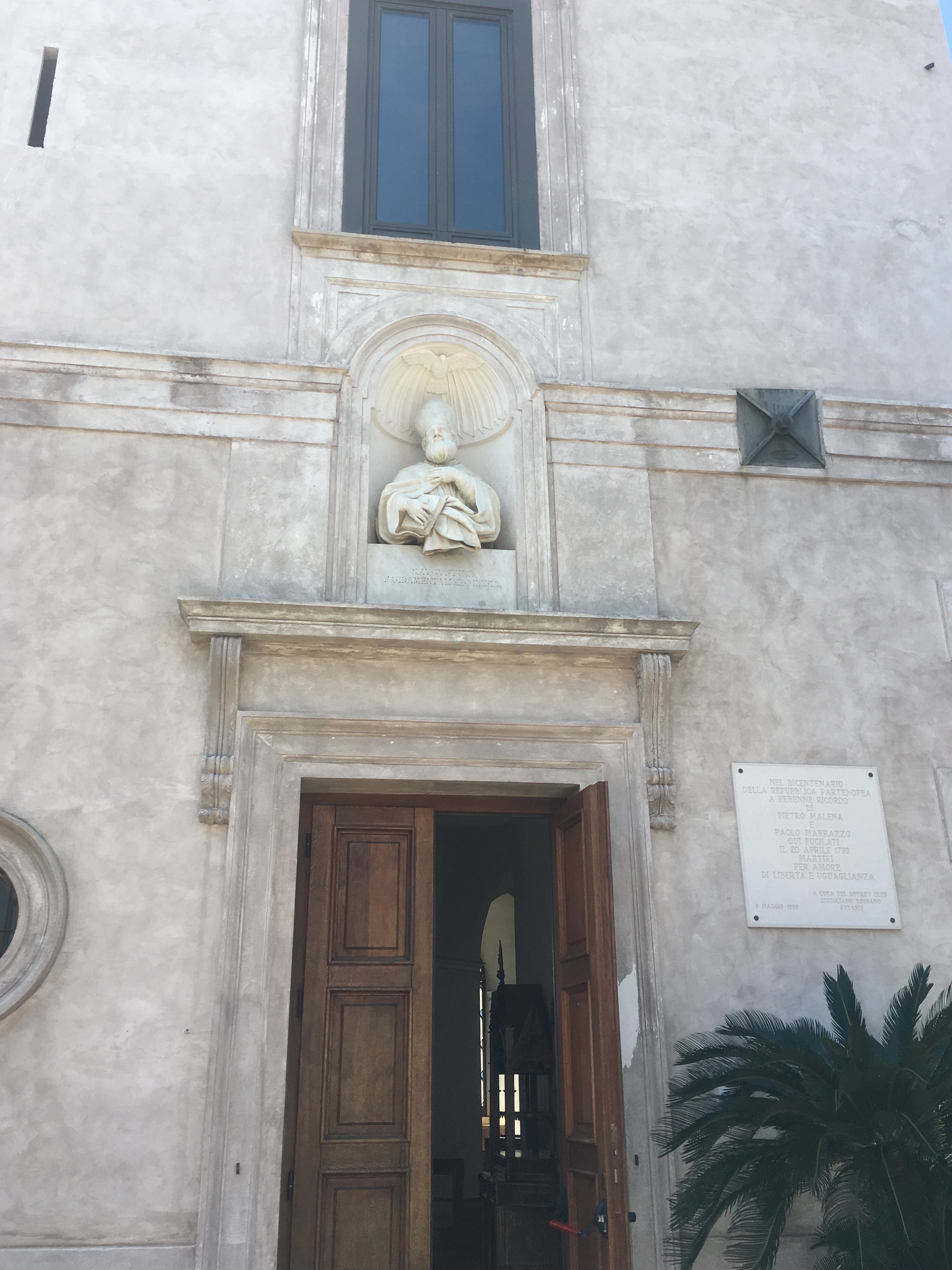

Nestled in the picturesque region of Calabria, Corigliano Calabro offers a captivating blend of history, art, and culture. At its heart, the Бюст Святога Аўгустына (Bust of Saint Augustine) stands as a testament to the artistic prowess of Pietro Bernini, the father of the renowned Gian Lorenzo Bernini. This sculpture, attributed to Pietro, encapsulates the Baroque flair that flourished during the late 16th and early 17th centuries.
Corigliano Calabro's origins trace back to the Byzantine era, a time when the town was a vital part of the Greek-speaking world. Over the centuries, it has witnessed numerous cultural shifts, from Norman conquests to influences under the Kingdom of Naples. Each era left its mark, enriching the town's architectural and cultural landscape. The Castello Ducale, a mesmerizing fortress, is a prime example of the town's historical depth, blending Norman and later Baroque influences.
Art and architecture in Corigliano Calabro are deeply intertwined. The Bust of Saint Augustine is an exquisite example of Baroque sculpture, characterized by its dynamic form and emotional intensity. Pietro Bernini's work is celebrated for its lifelike expressions and intricate details, capturing the essence of Saint Augustine's introspective nature. The bust is housed within the walls of the Chiesa di San Pietro, a church that itself boasts a rich tapestry of art, including frescoes and altarpieces that narrate biblical tales.
The town's local culture is a vibrant mosaic of traditions and festivals. One of the most notable is the Festa della Madonna della Schiavonea, a celebration held every August that draws visitors from across the region. This festival, dedicated to the Virgin Mary, includes a procession of boats along the coast, symbolizing the deep connection between the town and the sea. It is a time when locals and visitors alike revel in music, dance, and a shared sense of community.
Gastronomy in Corigliano Calabro is a delightful journey through Calabria's culinary heritage. The region is famous for its 'nduja, a spicy, spreadable sausage that adds a fiery kick to any dish. Another local specialty is ciambrotta, a hearty vegetable stew that showcases the area's fresh produce. To complement these flavors, try a glass of Ciro, a robust red wine that has been produced in the region for centuries.
Beyond its more celebrated attractions, Corigliano Calabro holds secrets that intrigue the curious traveler. The town's ancient olive groves are a testament to its agrarian past, with some trees believed to be over a thousand years old. These groves not only provide a serene landscape but also produce some of the finest olive oil in Calabria. Furthermore, the Archaeological Park of Sibari, located nearby, offers a glimpse into the town's ancient Greek roots, with ruins that speak of a once-thriving civilization.
For those planning a visit, the best time to explore Corigliano Calabro is in the spring or early autumn. These seasons offer mild weather, ideal for wandering the cobbled streets and exploring the surrounding countryside. When visiting the Chiesa di San Pietro, take time to appreciate the church's interior design and the way light plays upon the Bust of Saint Augustine, highlighting its intricate details.
In Corigliano Calabro, history, art, and culture converge in a harmonious blend, inviting visitors to delve into its treasures. Whether you're drawn by the allure of Bernini's artistry or the rich tapestry of local life, this charming town promises an unforgettable experience steeped in the enduring spirit of Calabria.


