


Nestled in the verdant embrace of Mount Kilimanjaro's foothills lies a hidden gem that captivates the heart of every traveler: the Высокі вадаспад маці or "Mother Waterfall." This 150-meter cascade is not just a spectacle of natural beauty but a tapestry of cultural and historical richness waiting to be unraveled.
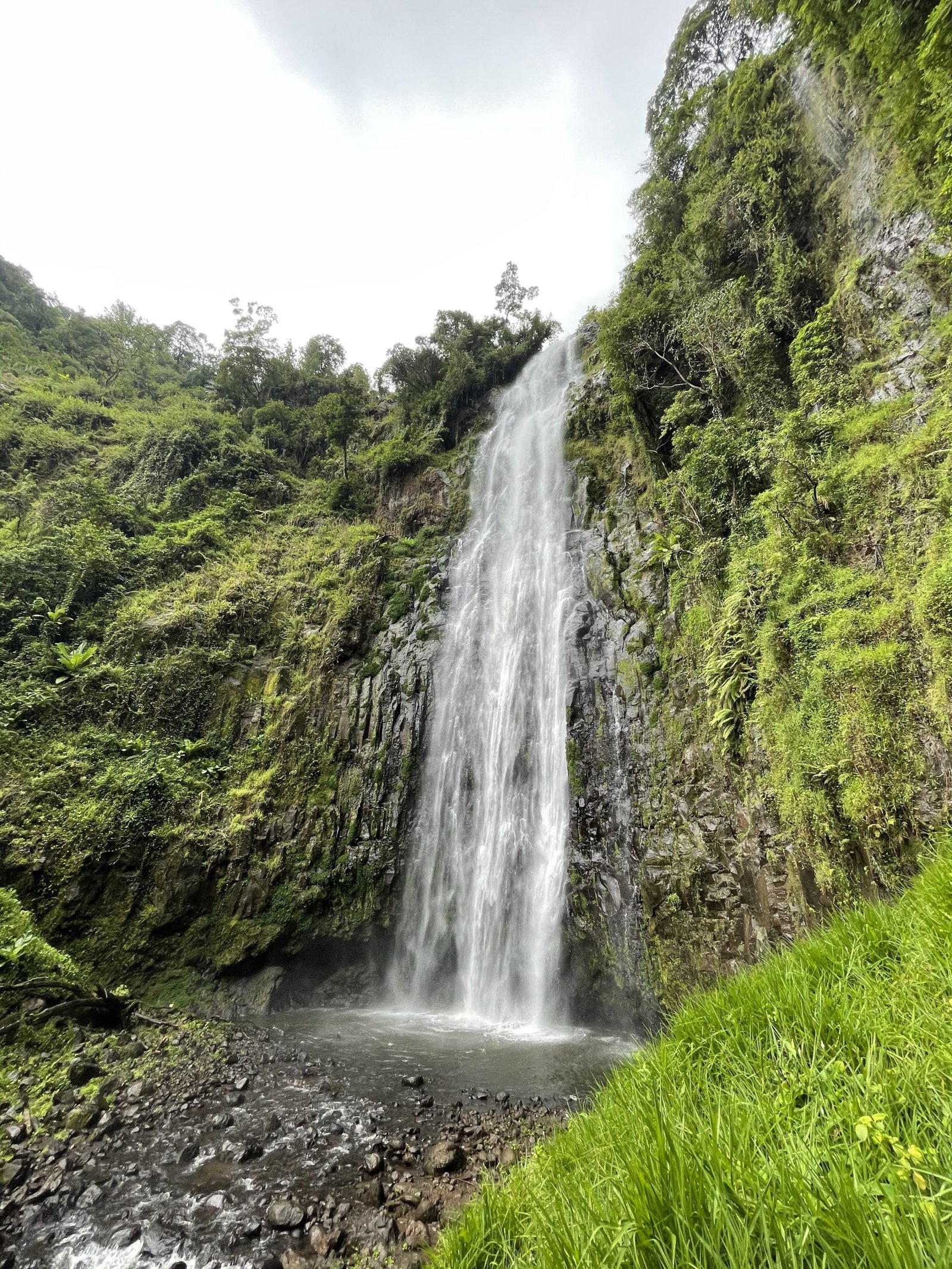
The origins of the Mother Waterfall are woven into the ancient stories of the Chagga people, the indigenous inhabitants of the Kilimanjaro region. For centuries, the Chagga have revered this waterfall as a sacred site, believing it to be a gift from the spirits of the mountain. The waterfall's name, "Mother," is said to reflect its life-giving waters that nourish the land and sustain the communities residing in its shadow. Historical accounts suggest that the waterfall has played a significant role in the agricultural prosperity of the area, with the Chagga employing sophisticated irrigation systems known as "mshare" since the 19th century to harness its waters.
Architectural endeavors in the region are modest yet profound, echoing the harmony between the Chagga people and their environment. Traditional Chagga huts, known as "msonge", dot the landscape with their conical thatched roofs and circular adobe walls. These structures are masterpieces of indigenous architecture, designed to withstand the climatic whims of the mountain. While the area around the waterfall is primarily natural, these huts and their careful placement speak volumes about the community's artistic ingenuity and respect for the land.

Immersing oneself in the local culture reveals a tapestry of vibrant traditions. The Moshi area is renowned for its lively festivals, such as the Kilimanjaro Marathon, which not only celebrates athleticism but also showcases local music and dance. The Mbege, a traditional Chagga brew made from bananas and millet, is a staple at such gatherings, offering visitors a taste of the region's rich heritage. Rituals and dances performed around the waterfall during significant events or to mark seasonal changes further underline its cultural significance.
A journey to the Mother Waterfall is incomplete without indulging in the region's gastronomy. The Chagga are known for their hearty cuisine, with dishes like "ng'ande" (a stew made with bananas, beans, and beef) and "machalari" (a plantain and meat dish) capturing the essence of their culinary traditions. These meals, often prepared with ingredients sourced directly from the fertile lands around Kilimanjaro, provide a culinary journey as rich as the landscape itself.
For those looking to uncover lesser-known curiosities, the area surrounding the waterfall offers intriguing insights. The local folklore speaks of mysterious "water spirits" that protect the falls, and stories of their sightings add an air of mystique to the location. Additionally, the nearby forests are home to a variety of endemic flora and fauna, including the elusive Colobus monkeys, making it a haven for nature enthusiasts.
Practical information is essential for those planning a visit. The best time to experience the Mother Waterfall in its full glory is during the wet seasons, from March to May and November to December, when the falls are most voluminous. Visitors are advised to wear sturdy footwear, as the trail leading to the waterfall can be slick and challenging. Guided tours are recommended for a more enriching experience, as local guides provide invaluable insights into the area's culture and history. Always remember to respect local customs, especially when visiting sacred sites, to ensure a harmonious interaction with the community.
The Mother Waterfall on Kilimanjaro is more than just a picturesque destination; it is a journey into the heart of Tanzania's cultural and natural heritage. Each visit is a step into a world where nature and humanity coexist in a delicate dance, offering an experience as profound as it is beautiful.


