



Perched majestically within the Sierra Nevada range of California, Mount Whitney stands as a beacon for adventurers and nature enthusiasts alike, marking the highest point in the contiguous United States at a staggering 14,505 feet (4,421 meters). Its imposing presence is not just a geographical marvel but a site rich in history, culture, and natural beauty.
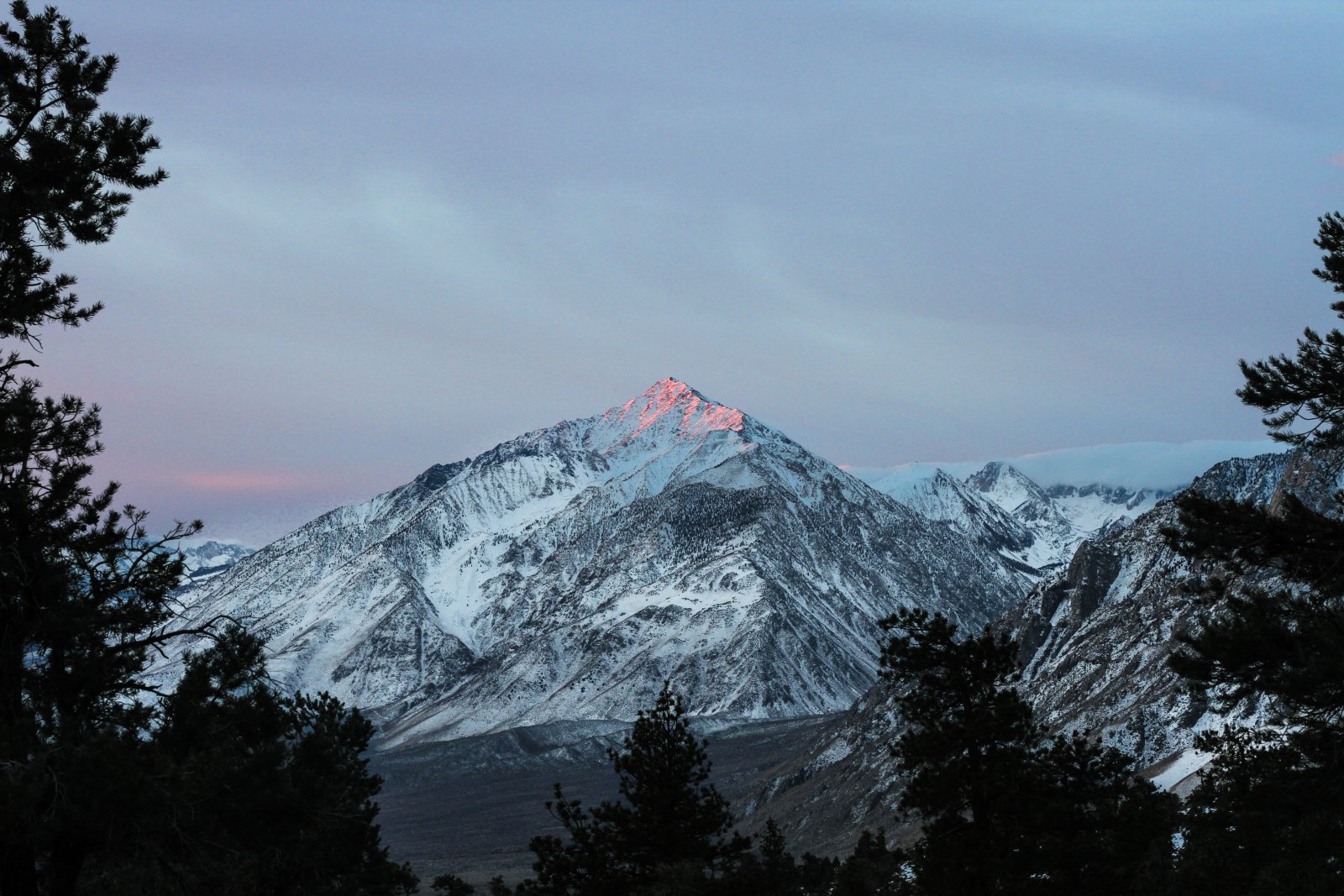
The history of Mount Whitney is as rugged as its jagged peaks. The mountain was named after Josiah Whitney, the state geologist of California, in 1864. However, long before European explorers christened it, the region was home to the Indigenous Paiute people. They referred to the peak as "Too-man-i-goo-yah," meaning "the very old man," reflecting a deep reverence for this natural giant. In the late 19th century, the mountain became a focal point for scientific and recreational expeditions, spurred by the California Geological Survey's efforts to explore the Sierra Nevada.
Although Mount Whitney is primarily celebrated for its natural beauty, it holds significant cultural and artistic value. The region’s dramatic landscapes have inspired numerous artists and photographers, capturing the interplay of light and shadow across its granite facade. While there are no monumental structures or artworks on the mountain itself, the influence of its awe-inspiring vistas can be seen in works by artists such as Ansel Adams, whose black and white photography immortalized the stark beauty of the Sierra Nevada.

The local culture around Mount Whitney is deeply intertwined with the traditions of the surrounding communities. The nearby town of Lone Pine hosts the annual Lone Pine Film Festival, celebrating the area's rich history as a filming location for numerous Westerns. This event is a testament to the region's cultural heritage and its enduring appeal as a backdrop for storytelling. Additionally, the mountain and its surrounding wilderness are integral to the spiritual and cultural practices of the Native American tribes, who still honor the land through traditional ceremonies and gatherings.
While the rugged terrain might not support extensive agriculture, the culinary culture in the region is reflective of traditional American mountain fare. Visitors will find hearty dishes that have sustained generations of explorers and residents alike. Think robust stews, fresh-caught trout from pristine mountain streams, and the ever-comforting flavors of homemade pies, often made from locally sourced berries.
Beyond the well-trodden paths, Mount Whitney hides lesser-known curiosities that intrigue the intrepid traveler. For instance, the Whitney Portal is not just the starting point for the popular Whitney Trail but also home to the Whitney Portal Store, where you can savor their famous oversized pancakes—a quirky tradition among hikers. Additionally, the mountain's geology tells a fascinating story of ancient glacial activity, with polished granite and unique rock formations offering clues to its icy past.
For those planning a visit, the best time to approach Mount Whitney is from late June to September, when the weather is most favorable. Permits are required for the Whitney Trail, so it's wise to plan ahead. The journey is not for the faint-hearted, requiring physical preparation and gear suited to high-altitude hiking. A key tip: acclimatize to the elevation by spending a night at higher altitudes beforehand to minimize the risk of altitude sickness.
As you trek upwards, keep an eye out for the diverse flora and fauna that call this mountain home. From the delicate alpine wildflowers that dot the landscape in summer to the occasional sighting of a bighorn sheep, each step reveals the ecological richness of the Sierra Nevada. Whether you're a seasoned climber or a curious traveler, Mount Whitney promises an experience that is both humbling and exhilarating, a testament to the power and beauty of nature.
