
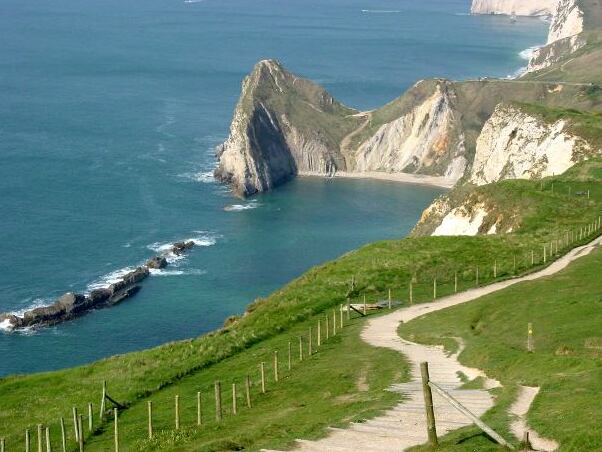

Nestled along the breathtaking Jurassic Coast of England, Durdle Door is an awe-inspiring gateway to both natural wonder and rich history. This iconic limestone arch, carved by millennia of pounding waves, stands as a testament to the geological splendor of the southern English coastline. The Jurassic Coast, a World Heritage Site, stretches for 96 miles, revealing 185 million years of Earth's history through its cliffs, coves, and beaches. Durdle Door itself dates back around 140 million years, originating from the Cretaceous period, and is a marvel for both geologists and those simply in awe of nature's artistry.
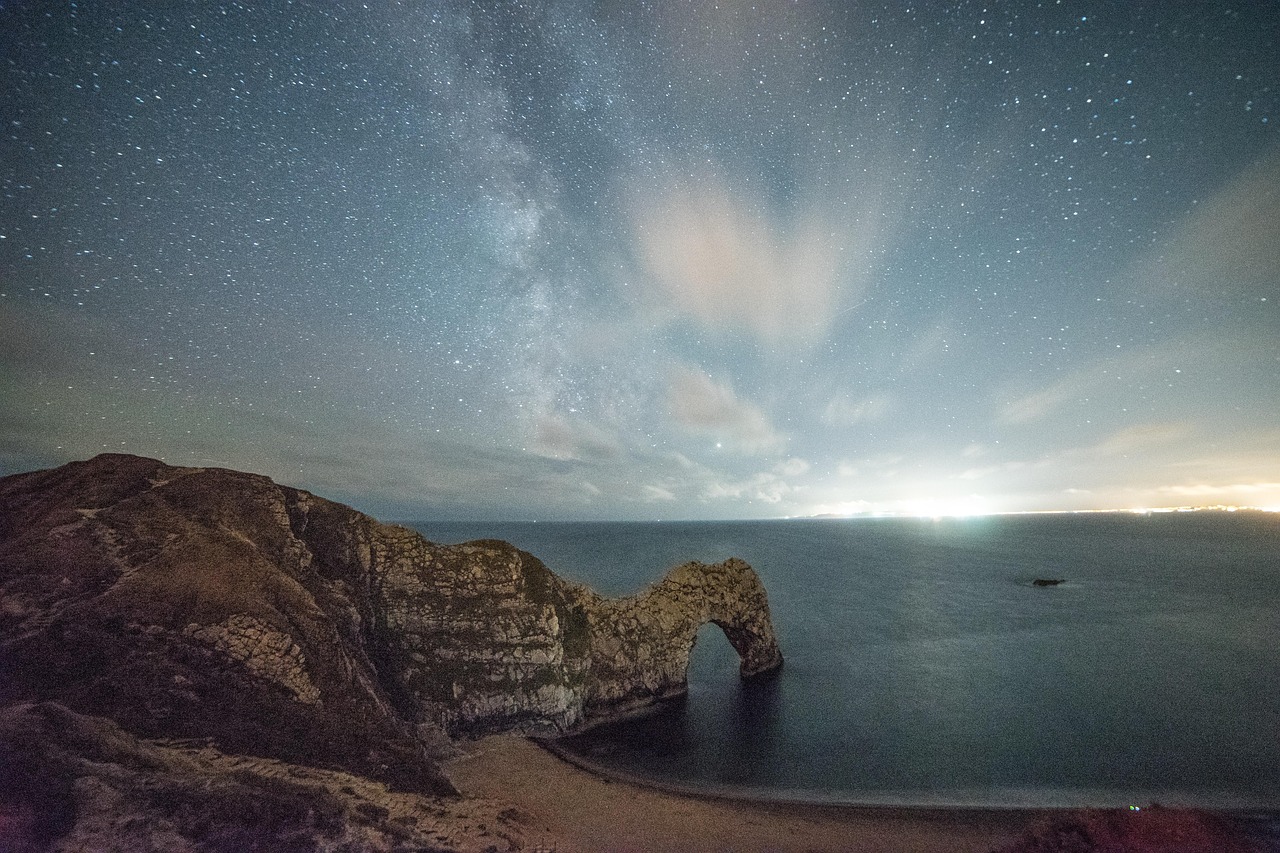
The name Durdle Door is believed to derive from the Old English word 'thirl', meaning to pierce, which perfectly describes the arch's unique form. Over centuries, it has become a symbol of the area's enduring beauty. The land here was once part of the estate of the Lulworth family, who have owned it since 1641. The Lulworth Estate, with its historic castle and lush landscapes, adds another layer of historical depth to any visit.
Architecturally, Durdle Door is a natural masterpiece rather than a man-made one. However, its surroundings are dotted with charming Purbeck stone cottages and ancient churches, reflecting the local building traditions. The nearby village of West Lulworth offers a quintessentially English charm, with its thatched roofs and narrow lanes. The Lulworth Castle, built in the early 17th century, is an example of the area's historical architecture, providing a glimpse into the aristocratic life of its time.
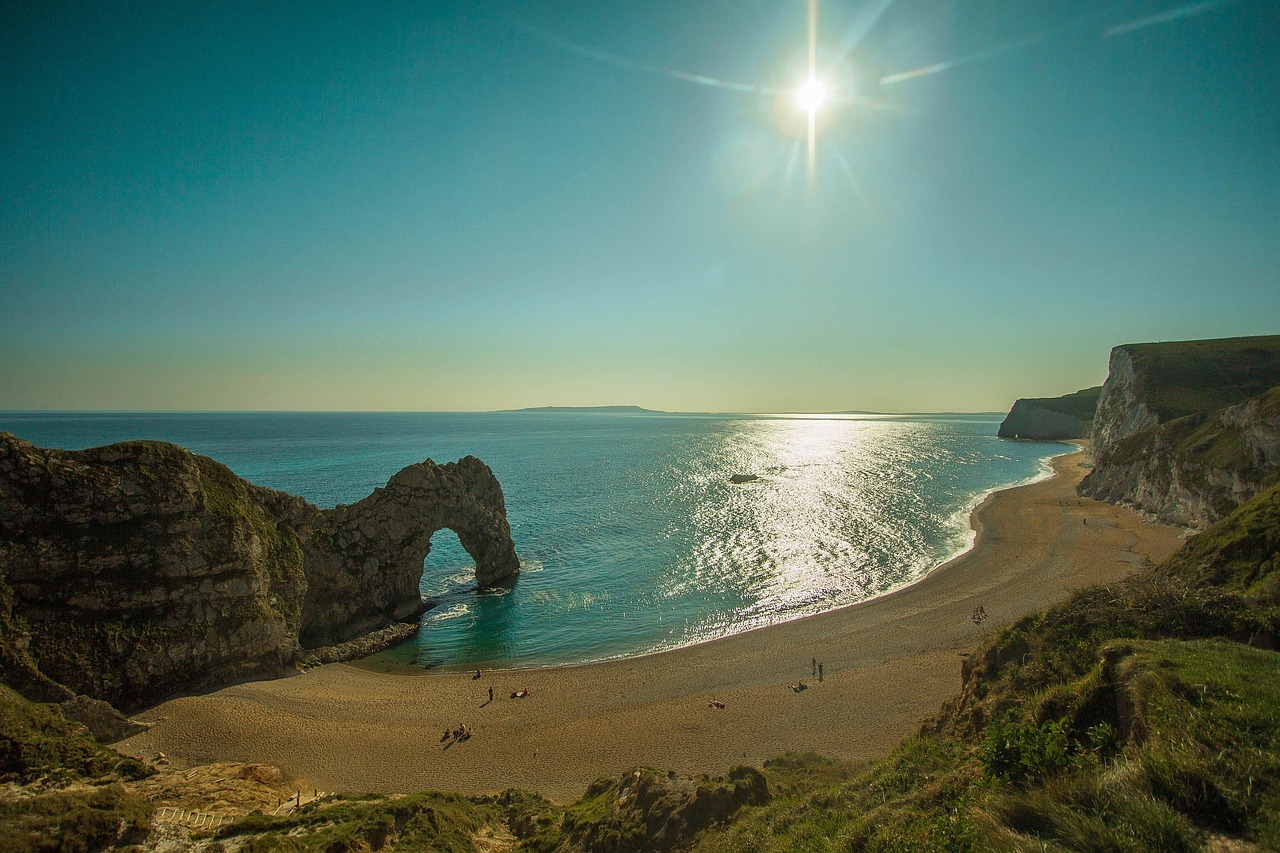
The cultural pulse of this region beats with traditions deeply rooted in its landscape and history. Local festivals such as the Lulworth Cove Fishermen's Festival celebrate the area's maritime heritage, while the vibrant Purbeck Art Weeks showcase local talents in painting, music, and performance. These events are a testament to the community's commitment to preserving its cultural identity.
When it comes to gastronomy, the Dorset region offers a delightful array of local flavors. Visitors can savor the taste of fresh seafood, particularly the famous Dorset crab, often served in charming village pubs. Another local specialty is the Dorset Knob, a hard, dry biscuit traditionally eaten with cheese. Wash it down with a pint of locally brewed ale or the region’s renowned cider, and you have a true taste of Dorset.
For those seeking lesser-known curiosities, Durdle Door has its share of intriguing tales. Legend has it that during the 19th century, smugglers used the cove behind the arch to hide contraband. The combination of steep cliffs and hidden caves provided the perfect cover for these clandestine activities. Today, remnants of these smuggling days can still be found by the keen-eyed explorer.
Visiting Durdle Door is most pleasant in the late spring or early autumn when the weather is mild, and the crowds are fewer. Access is via a steep path from the car park at the top of the cliffs, so sturdy shoes are recommended. Once there, take the time to explore the South West Coast Path, which offers breathtaking views and a chance to discover hidden coves and wildlife. With its rich tapestry of history, culture, and natural beauty, Durdle Door is not just a destination, but an invitation to step into a world where the ancient past meets the vibrant present.


