



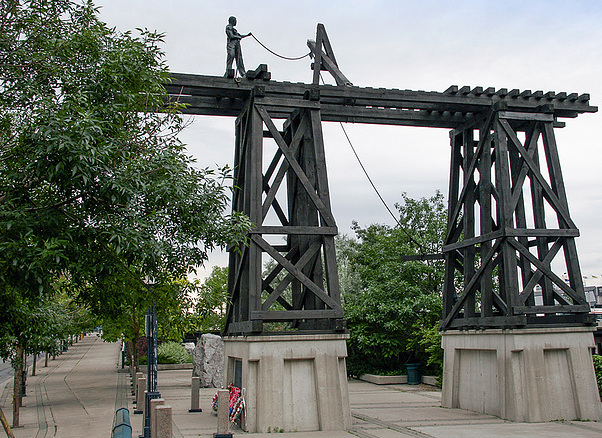
Nestled in the bustling cityscape of Toronto, the Memorial to Chinese Railroad Workers stands as a poignant tribute to the indomitable spirit and sacrifice of 17,000 Chinese laborers who toiled to construct the Canadian Pacific Railway. This essential infrastructure project in the late 19th century was crucial in unifying Canada from coast to coast, yet it came at a heavy price. Many of these workers faced perilous conditions, receiving little recognition for their role in shaping the nation.
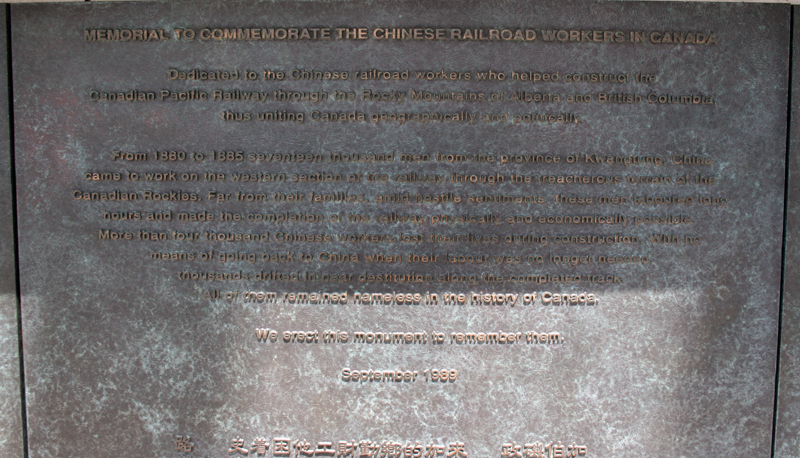
The origins of this memorial trace back to the completion of the railway in 1885. The laborers, who were primarily from Guangdong Province in China, faced extreme hardship, including dangerous working conditions and harsh weather. Despite their invaluable contributions, they were often paid meager wages and faced discrimination. The Memorial to Chinese Railroad Workers was erected to acknowledge their efforts and honor their memory, ensuring their stories are not lost to time. This site serves not only as a historical marker but also as a reminder of the broader immigrant experience in Canada.
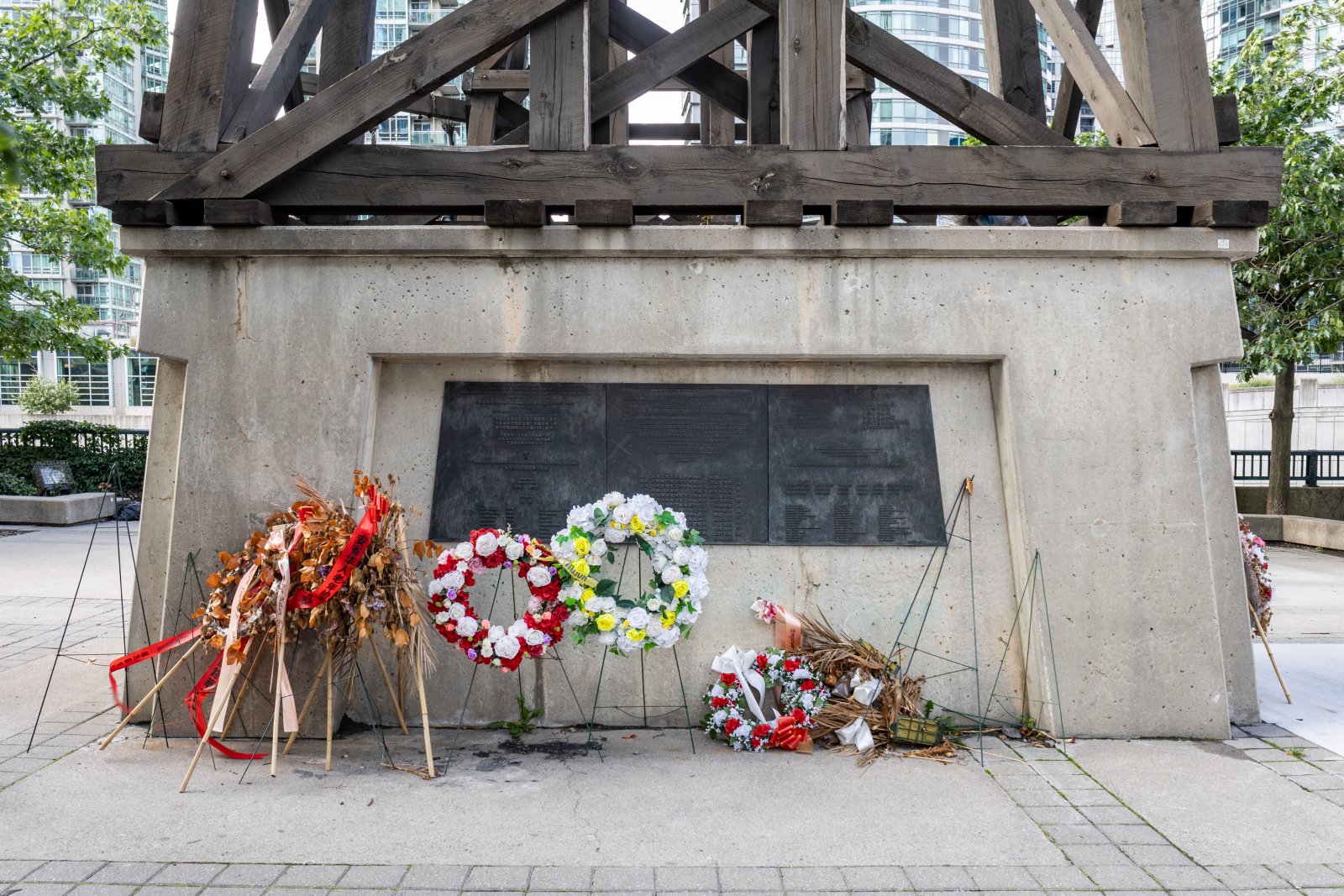
Architecturally, the memorial is a blend of traditional Chinese motifs and contemporary design, reflecting the fusion of past and present. The main structure is a striking arrangement of stone pillars, each inscribed with the names of workers who perished during the railway's construction. The use of red and gold—colors deeply significant in Chinese culture—symbolizes prosperity and remembrance. The artistic significance of the memorial extends beyond its aesthetic appeal; it is a space for reflection and education, providing visitors with insights into the Chinese diaspora's contributions to Canadian history.
Toronto's vibrant multicultural landscape is a tapestry of diverse customs and traditions, and the area surrounding the memorial is no exception. The Toronto Chinatown Festival, held annually, is a lively celebration of Chinese heritage and culture, featuring traditional music, dance, and food. This festival, along with other local events, offers visitors a deeper understanding of the Chinese community's enduring influence on the city's cultural fabric.
Gastronomy plays a pivotal role in the local experience around the memorial. Toronto's Chinatown, located nearby, is renowned for its culinary offerings, ranging from dim sum to Peking duck. Dumplings and noodle dishes are staple foods, often enjoyed alongside bubble tea, a popular Taiwanese drink that has found a home in Toronto. Exploring the eateries in this neighborhood provides a culinary journey through the flavors of China, reflecting the rich cultural heritage of the community.
Beyond the well-trodden paths lie lesser-known curiosities about the memorial and its surroundings. Few visitors realize that the memorial is situated near the Roundhouse Park, home to the Toronto Railway Museum. This proximity offers a unique opportunity to delve deeper into the history of railways in Canada, providing context to the sacrifices commemorated by the memorial. Additionally, the site hosts occasional cultural events and guided tours, unveiling stories of the workers' resilience and the challenges they overcame.
For those planning a visit, the best time to explore the memorial is during the spring or fall, when Toronto's weather is mild, and the city's parks are at their most beautiful. The memorial is accessible and open year-round, with nearby public transportation options making it easy to reach. Visitors are encouraged to take their time, not just to pay respects, but also to absorb the educational displays that narrate the history of the Chinese railroad workers.
In conclusion, the Memorial to Chinese Railroad Workers is more than a monument; it's a bridge connecting past and present, honoring those whose labor and sacrifice helped forge a nation. As visitors walk its grounds, they are invited to reflect on the complex tapestry of history, culture, and resilience that defines both the memorial and the vibrant city of Toronto.
