
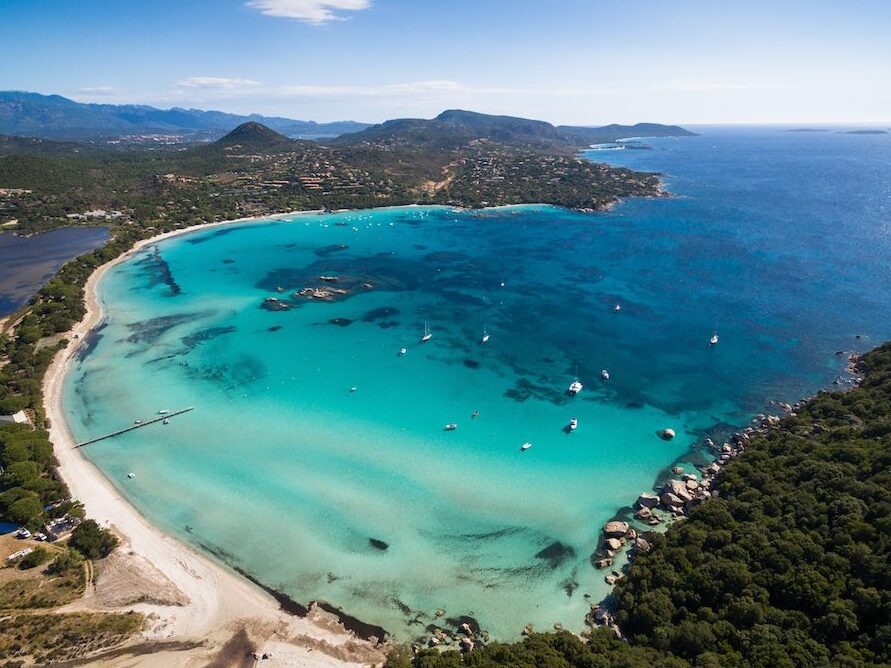

Nestled along the southern coast of Corsica, the beach of Santa Giulia is a mesmerizing stretch of white sand kissed by the hypnotic blues of the Mediterranean Sea. Known colloquially as the "Polynesia of Corsica," this idyllic enclave lies just a short drive from the bustling town of Porto-Vecchio. Its pristine beauty and serene atmosphere make it a coveted destination, yet it is the layers of history and culture that truly captivate those who delve deeper.
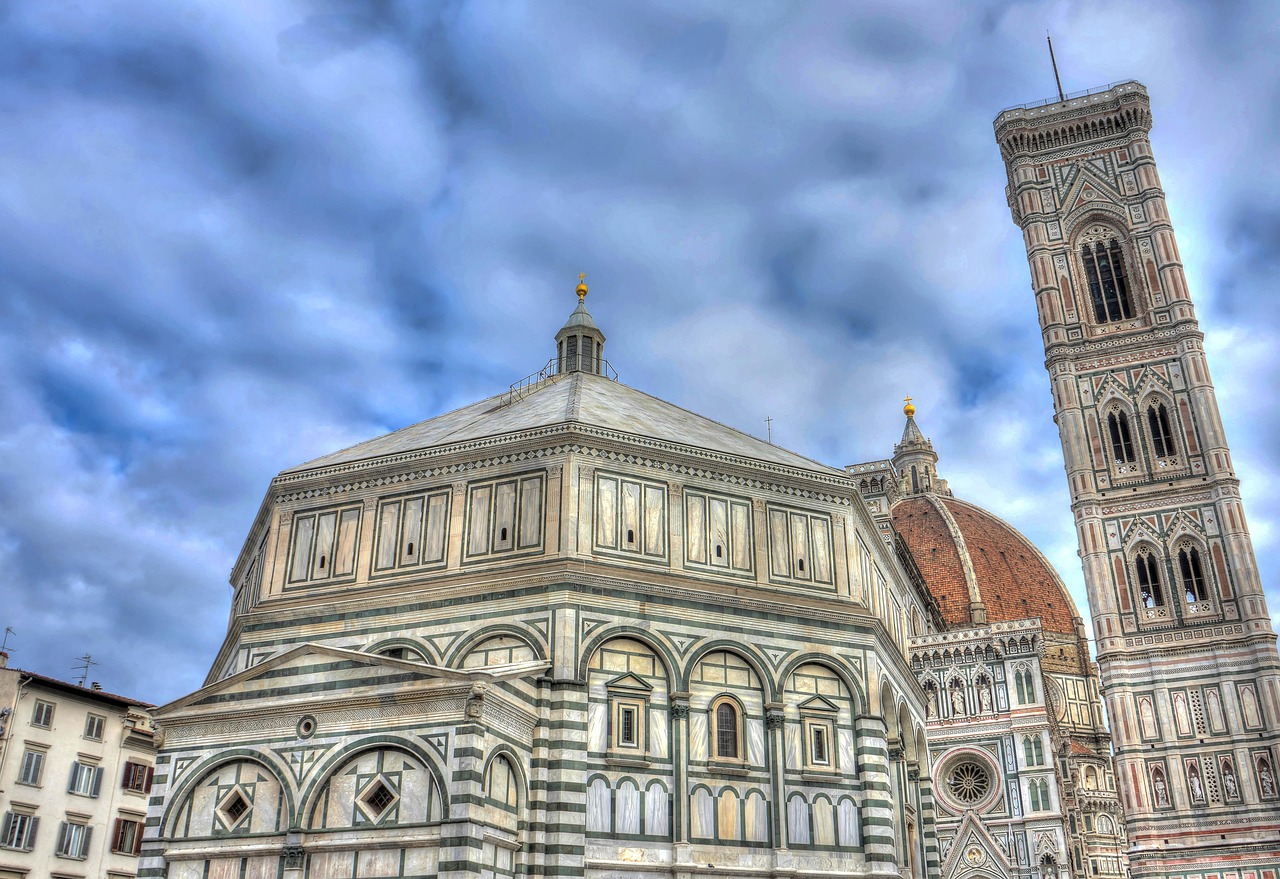
The history of Santa Giulia is as rich as its landscapes. The region of Porto-Vecchio has been inhabited since prehistoric times, with the Torrean civilization leaving behind intriguing remnants, such as the nearby Castellu d'Araghju, a prehistoric fortress offering a glimpse into ancient lives. The area later fell under Roman influence, evidenced by archaeological finds peppered throughout the region. Fast forward to the 16th century, the town of Porto-Vecchio was officially founded by the Genoese, marking a significant chapter in its historical tapestry. Over the centuries, the area has been a strategic point, witnessing battles and changing hands, all contributing to its diverse cultural heritage.
Architecturally, Santa Giulia and its surrounding areas offer a delightful blend of styles that reflect its storied past. The Genoese influence is visible in the old town of Porto-Vecchio, with its citadel and narrow, winding streets. The Église Saint-Jean-Baptiste is a prominent example of religious architecture, featuring a mix of Gothic and Romanesque elements. While Santa Giulia itself is more renowned for its natural beauty than man-made structures, the simplicity of the beach houses, designed to blend seamlessly with the landscape, exemplifies the Corsican respect for nature.
Cultural life in this part of Corsica is vibrant and deeply rooted in tradition. Locals celebrate the Fête de la Saint-Jean, a midsummer festival characterized by bonfires and music, reflecting the island's blend of ancient pagan and Christian customs. The Fiera di u Casgiu, a famous cheese fair held in nearby Venaco, showcases Corsica's gastronomic prowess, attracting visitors with its array of local produce. Corsicans take pride in their language, music, and dance, with polyphonic singing being a particularly revered art form, echoing the island's mountainous terrain.
No visit to Santa Giulia would be complete without indulging in the local gastronomy. Corsican cuisine is a testament to the island's agrarian traditions and its bounty of fresh produce. Brocciu, a cheese made from goat or sheep milk, is a staple, often featured in both sweet and savory dishes. The robust flavors of figatellu, a type of liver sausage, paired with the island's famous chestnut bread, provide a hearty taste of Corsica. To drink, savor a glass of Patrimonio wine or the distinctive Cap Corse, a bittersweet aperitif that embodies the island's rugged terrain and Mediterranean zest.
Beyond the well-trodden paths, Santa Giulia harbors lesser-known curiosities. The Lagoon of Santa Giulia is a haven for birdwatchers, hosting a variety of species, including the elegant pink flamingo during migration periods. The beach also hides a secret: hidden coves accessible only by boat or a short hike, offering secluded spots for those in search of tranquility. A quirky local legend speaks of the "Phantom Bell of Santa Giulia," said to ring out in the dead of night, harking back to a shipwreck long forgotten by time.
For visitors planning a trip, the best time to experience Santa Giulia's charm is late spring to early autumn, when the weather is warm yet the summer crowds have thinned. Arriving early in the morning allows for a peaceful exploration of the beach, while the nearby L'Ospedale forest offers refreshing hikes with panoramic views. Pack a picnic with local delicacies and enjoy a day under the Corsican sun. As the day draws to a close, the sunset over Santa Giulia paints the sky with hues of orange and pink, a fitting end to a day of discovery and delight.
In Santa Giulia, where the whispers of history merge with the melody of the waves, visitors find not only a picturesque escape but also a deeper connection to the vibrant soul of Corsica.


