
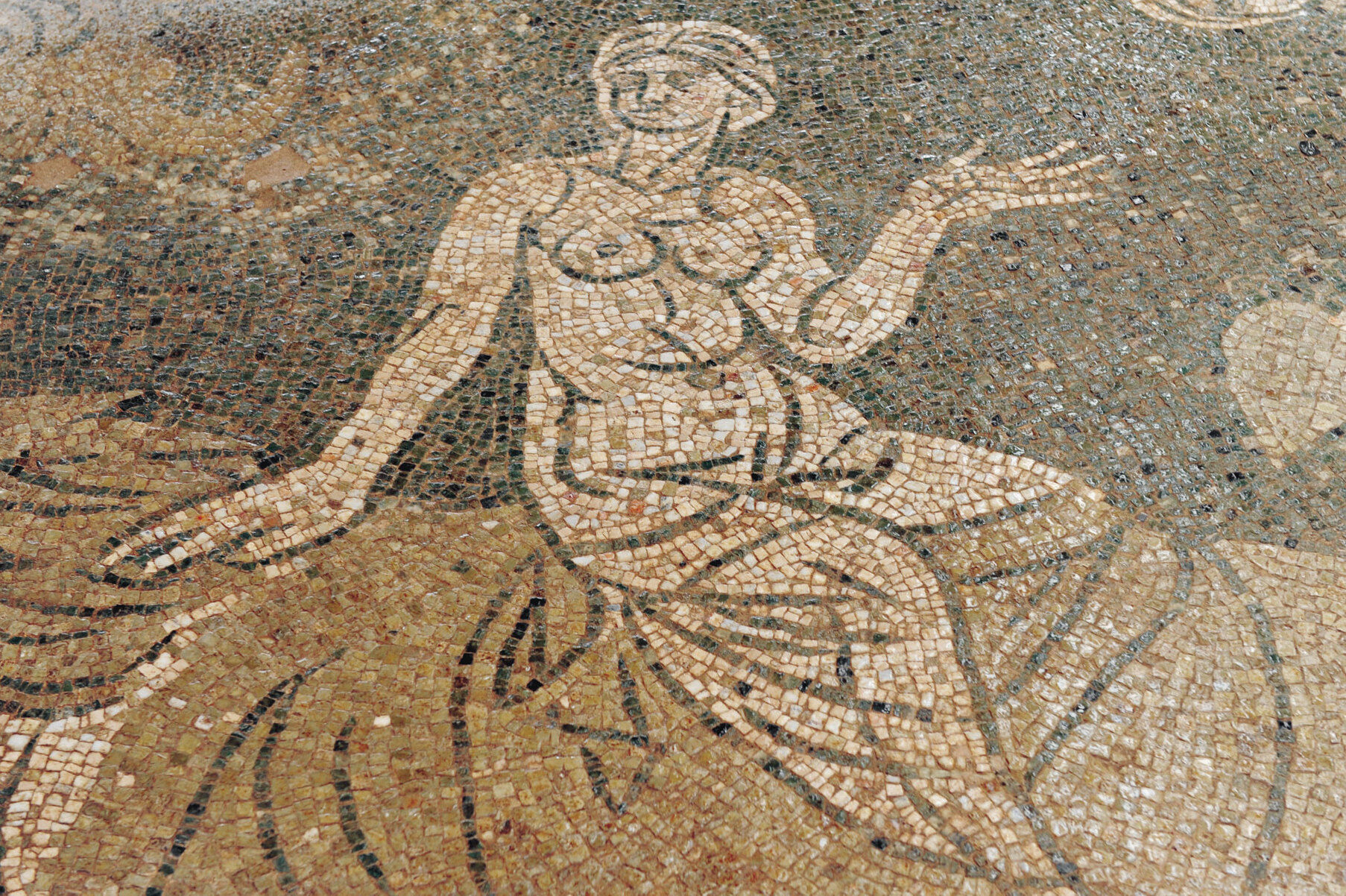

Tucked away in the heart of Calabria, the Roman Villa at Casignana offers a glimpse into the opulent lives of ancient Roman aristocracy. Often referred to as a "small Pompeii," this archaeological treasure is a sprawling estate covering approximately 15 hectares. Its discovery in 1963 was akin to unearthing a time capsule, revealing intricate mosaics and architectural grandeur that echo the sophisticated lifestyle of its bygone residents.

The villa's origins trace back to the 1st century AD, a period marked by the Roman Empire's expansive reach and cultural prosperity. It is believed that the villa was initially constructed as a countryside retreat for the elite, a place to escape the bustle of urban life. Over the centuries, it witnessed significant historical events, including the decline of Roman influence and eventual abandonment around the 5th century. The site's evolution mirrors the broader historical currents of the Roman Empire itself.
Architecturally, the villa is a testament to Roman ingenuity and aesthetic sensibilities. The layout includes elaborate thermal baths, residential quarters, and extensive gardens. Its most striking feature is the series of mosaics that adorn the floors, each a masterpiece of colored stones and glass that depict mythological scenes, hunting expeditions, and intricate geometric patterns. These mosaics not only highlight the artistic achievements of the time but also provide insights into the daily life and beliefs of its inhabitants.

The local culture of Casignana and its surrounding areas is deeply rooted in its Roman past, yet it thrives on the vibrant traditions of Calabria. The region celebrates numerous festivals, such as the Feast of St. Joseph in March and the Festival of the Madonna della Montagna in September, which are marked by processions, music, and communal feasts. These events are vital in maintaining the cultural fabric of the area, drawing locals and visitors into a shared celebration of heritage.
Calabrian gastronomy is a delightful exploration of robust flavors and time-honored recipes. Traditional dishes like 'nduja, a spicy spreadable sausage, and fileja, a handmade pasta, are ubiquitous. The region's cuisine is a testament to its agricultural bounty, with olive oil, citrus fruits, and seafood featuring prominently. Greco di Bianco, a sweet dessert wine produced in the nearby town of Bianco, is a perfect accompaniment to these rich flavors and a tribute to the ancient wine-making traditions of the area.
Among the lesser-known curiosities of Casignana is the villa's sophisticated water management system. Ingenious Roman engineering is evident in the network of aqueducts and cisterns that supplied water to the baths and gardens, demonstrating an advanced understanding of hydraulics. Visitors often miss the small yet intricately carved figurines that once adorned the villa's opulent atrium. These artifacts, though less famous than the mosaics, offer a personal connection to the artisans who crafted them centuries ago.
For those planning a visit, the best time to explore the Roman Villa at Casignana is during the spring and autumn months when the weather is mild, and the surrounding landscape is lush. To fully appreciate the site, it is advisable to join a guided tour, which provides invaluable insights into the villa's history and significance. Look out for the "Room of the Muses," whose mosaic floors depict the nine muses of Greek mythology, a striking reminder of the cultural synthesis that characterizes this region.
Whether you are an archaeology enthusiast or a casual traveler, the Roman Villa at Casignana offers an unforgettable journey through time. Its mosaics, architecture, and the stories they tell are a unique window into the heart of the Roman world, set against the backdrop of Calabria's breathtaking natural beauty.


