
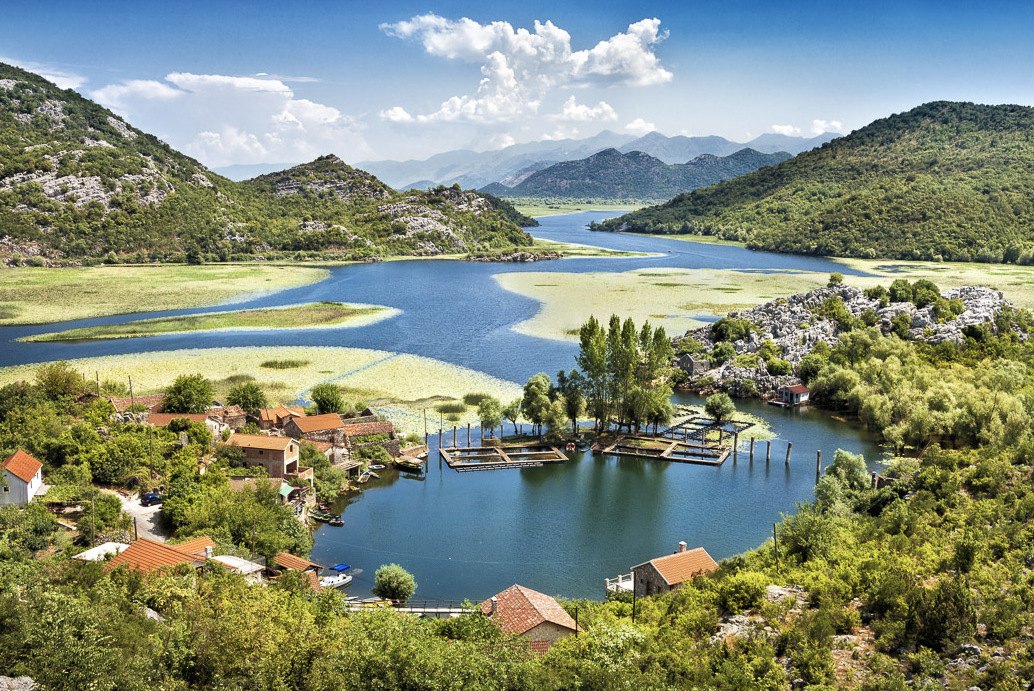

Nestled between the rugged mountains and the Adriatic Sea, Skadar Lake is a shimmering jewel of the Balkans, drawing visitors with its serene waters and rich tapestry of history and culture. As the largest lake in the Balkan Peninsula, it straddles the border between Montenegro and Albania, with the Montenegrin portion forming the heart of the Skadar Lake National Park.
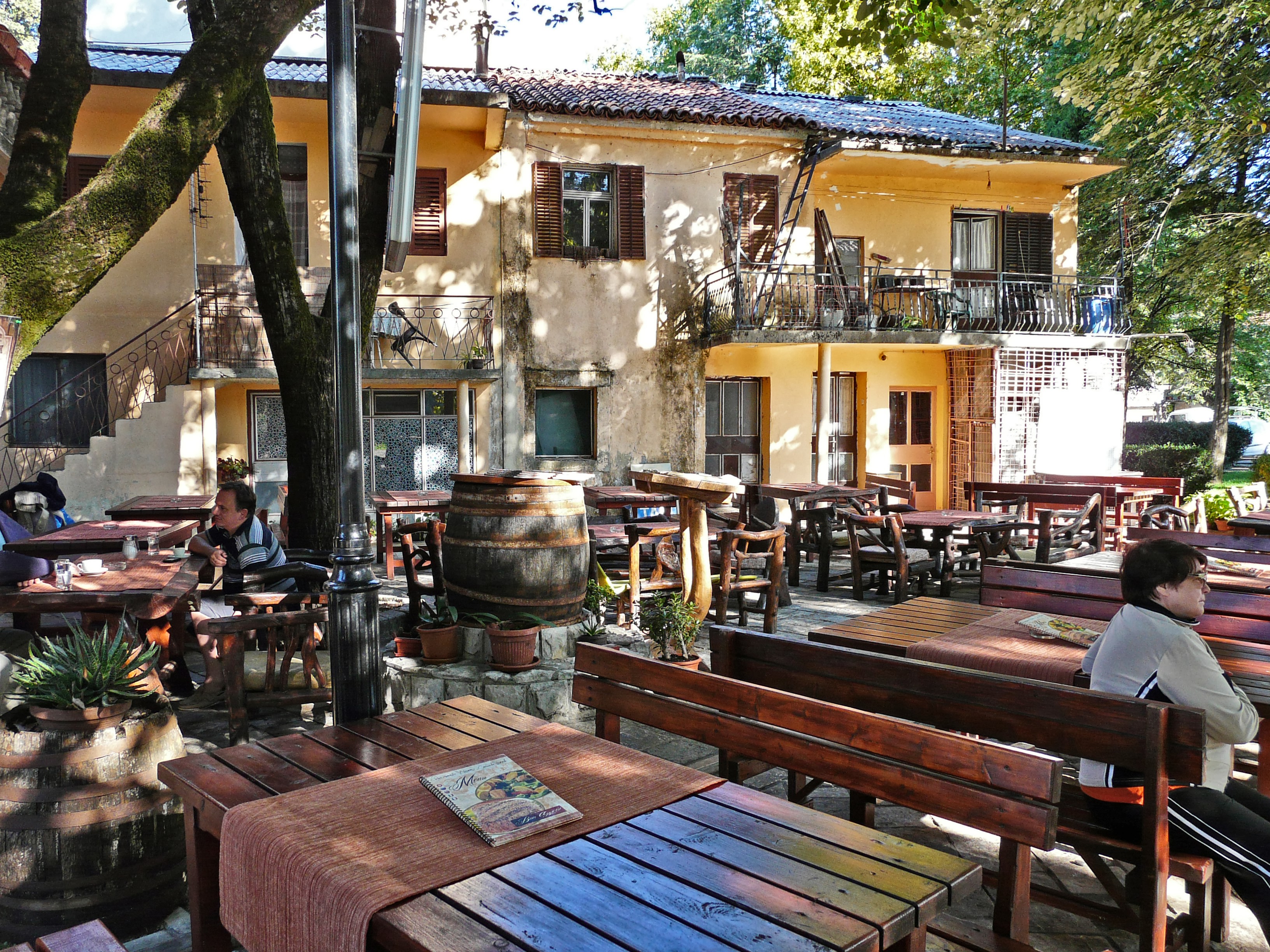
The lake's history is as deep as its waters, tracing back to ancient times. Skadar, known as Scutari in classical antiquity, has been an important settlement since the Illyrian tribes roamed these lands. The region has witnessed the rise and fall of empires, from the Romans to the Byzantines, and later the Ottomans. Each left an indelible mark, enriching the area's cultural mosaic. The fortified town of Virpazar, once a strategic trading post, still whispers tales of medieval battles and enduring resilience.
Architecturally, Skadar Lake is a canvas of contrasts. The remnants of ancient fortresses like Grmožur—often referred to as the "Montenegrin Alcatraz"—stand as silent sentinels over the water. These stone structures, built in the 19th century, offer a glimpse into a turbulent past. On the calm shores, rustic fishing villages like Rijeka Crnojevića boast charming stone houses and arched bridges, blending seamlessly with the natural landscape.
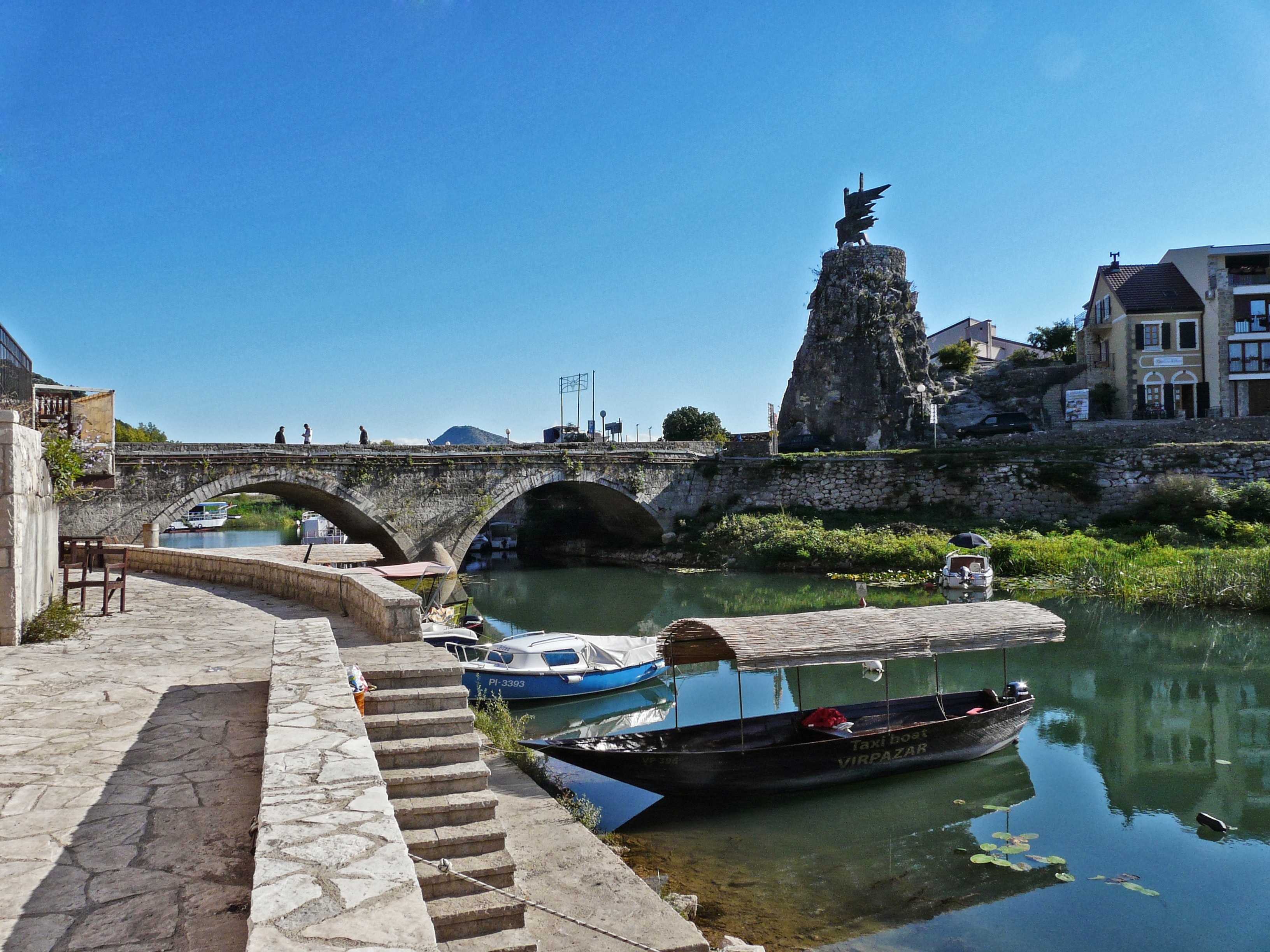
The local culture is steeped in tradition and deeply connected to the lake itself. Fishing remains a cornerstone of life, with techniques passed down through generations. Annual festivals, such as the Lake Day in Virpazar, celebrate this enduring bond, featuring boat races and local music. The Montenegrin passion for folklore is palpable, with locals eager to share stories and songs that echo the spirit of the Balkans.
Gastronomy around Skadar Lake is a feast for the senses. The area is renowned for its carp, prepared in myriad ways, from simple grilled dishes to rich stews flavored with local herbs. Smoked bleak is another regional delicacy, often paired with Montenegrin wines like Vranac. Visitors must not miss trying priganice, a type of fried dough served with honey or cheese, offering a sweet taste of local hospitality.
While the lake is a well-known destination, it holds secrets waiting to be discovered. Hidden among its reeds are rare bird species, making it a paradise for ornithologists. The Monastery of Starčevo on a tiny islet offers a tranquil retreat, where time seems to stand still. Legends of the Skadar Lake Monster, akin to Scotland's Loch Ness, add an air of mystery, capturing the imagination of those who venture here.
For travelers planning a visit, the best time is between April and October, when the weather is warm and the flora is in full bloom. The vibrant autumn hues and spring blossoms are particularly enchanting. While exploring, take a guided boat tour to fully appreciate the lake's vastness and hidden corners. Don't forget to bring binoculars for birdwatching and a camera to capture the stunning landscapes.
In conclusion, Skadar Lake is more than just a natural wonder; it is a living narrative of the Balkans’ past and present. Its waters and shores invite you to immerse yourself in a world where history, culture, and nature converge in breathtaking harmony.


