
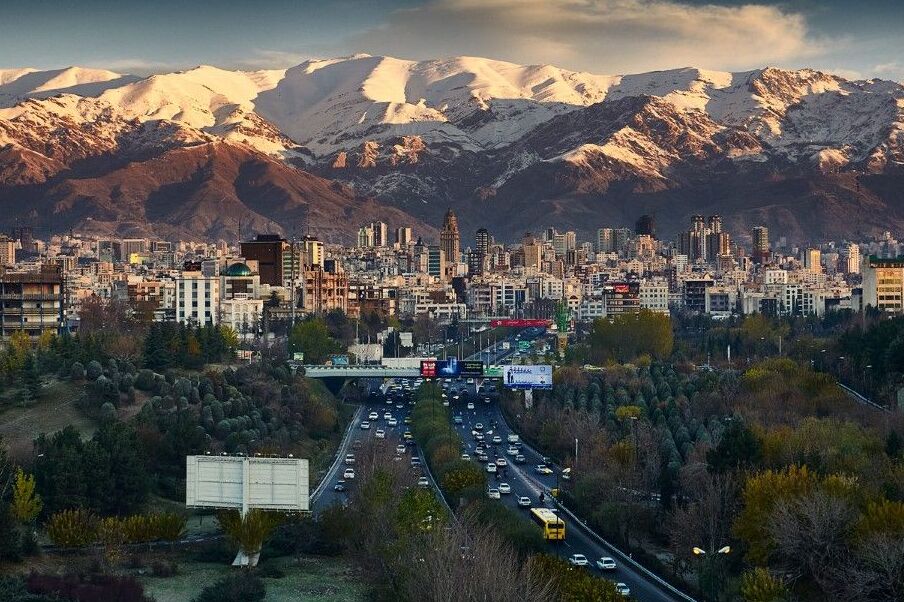

Nestled against the backdrop of the Alborz Mountains, Tehran, the vibrant capital of Iran, is an eclectic tapestry of history, culture, and modernity. This sprawling metropolis, home to over 8 million people, is a city where the ancient past elegantly coexists with contemporary life, inviting travelers to explore its myriad layers.
Tehran's historical roots trace back to the Safavid dynasty in the 16th century, though its significance grew substantially during the Qajar dynasty in the late 18th century when it was declared the capital by Agha Mohammad Khan. The city's strategic location and temperate climate made it an ideal choice for the capital. Throughout the 20th century, Tehran was at the heart of pivotal events, including the 1979 Iranian Revolution, which profoundly reshaped the nation's political landscape.
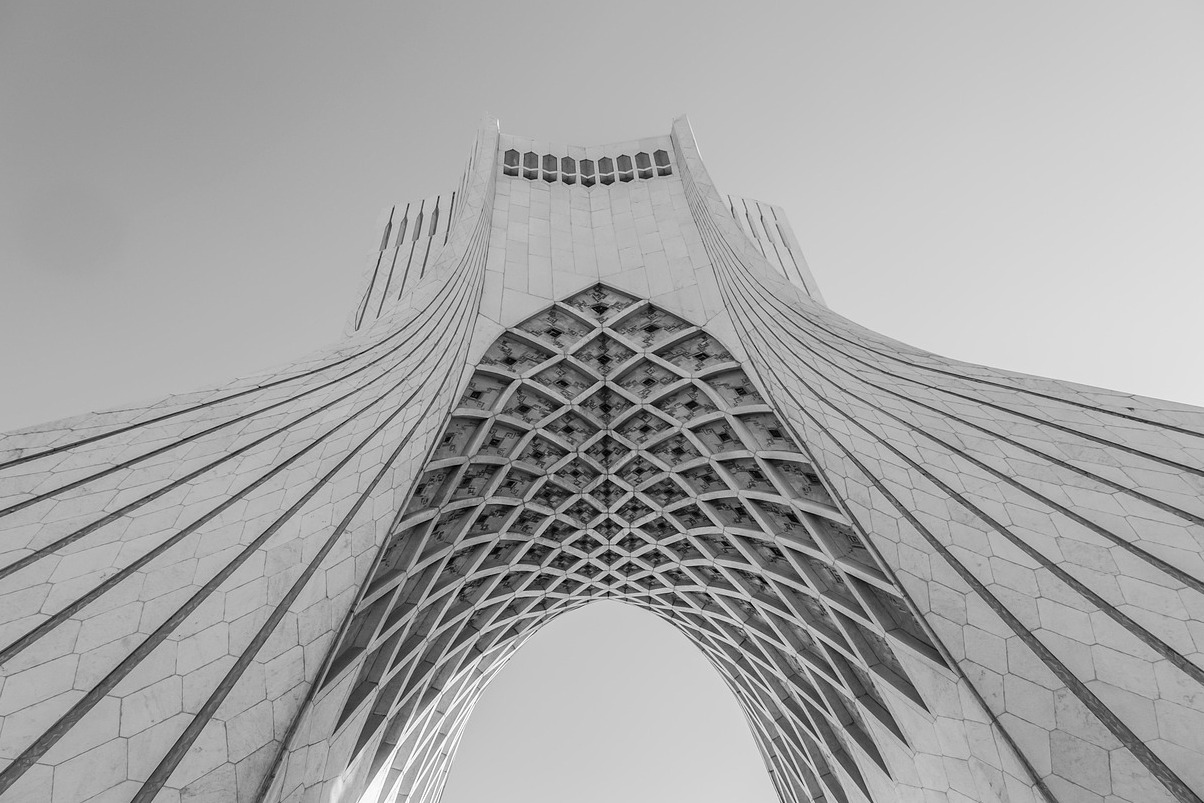
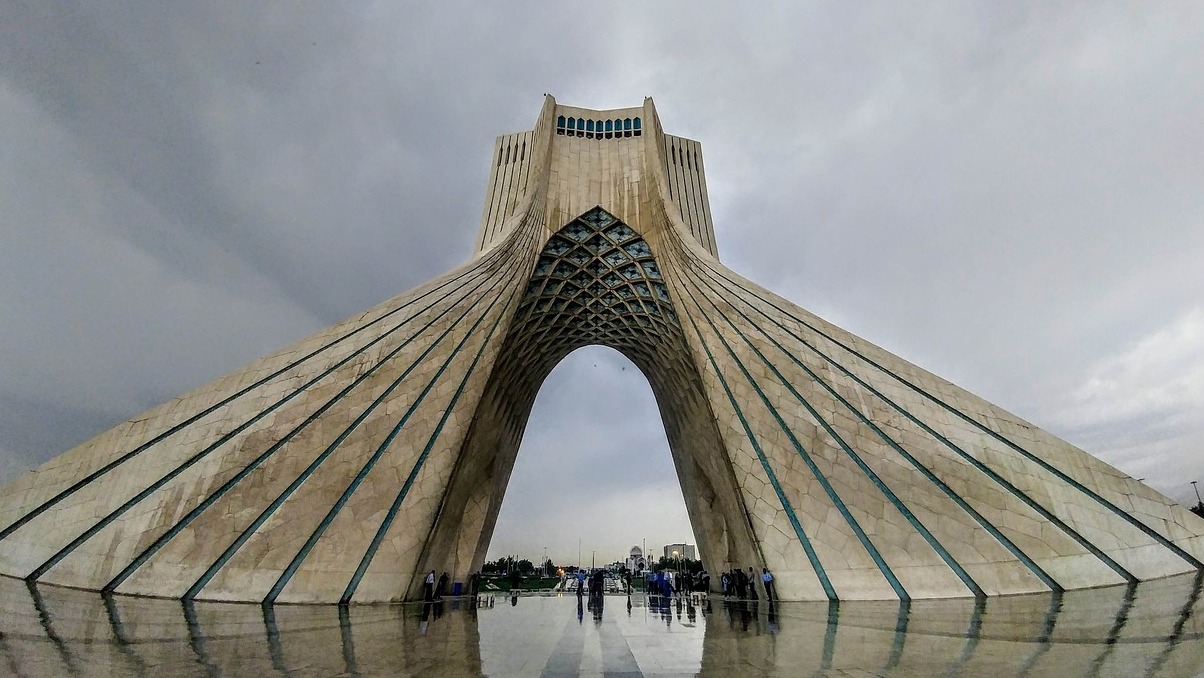
The cityscape of Tehran is adorned with diverse architectural styles, reflecting its rich historical tapestry. One cannot miss the grandeur of the Golestan Palace, a UNESCO World Heritage site that epitomizes Qajar-era opulence. Its intricate tile work and mirrored halls are masterpieces of Persian craftsmanship. The Azadi Tower, a symbol of modern Tehran, blends elements of Sassanian and Islamic architecture, standing as a monument to the city’s evolution. Art enthusiasts will find solace in the Tehran Museum of Contemporary Art, home to one of the most significant collections of Western modern art outside Europe and North America, including works by Picasso and Warhol.
Tehran is a city where tradition and innovation intermingle, and this is vividly reflected in its local culture and traditions. The Nowruz celebration, marking the Persian New Year, is a vibrant festival filled with rituals that date back over 3,000 years. During this time, the city comes alive with music, dance, and the symbolic Haft-Seen table. Tehranis are known for their hospitality, a deep-rooted cultural trait that welcomes visitors with warmth and kindness.
For the culinary adventurer, Tehran offers a delectable journey through Persian gastronomy. The city is famous for its kebabs, particularly chelo kebab, a succulent dish often served with saffron rice and grilled tomatoes. Savory stews like ghormeh sabzi and fesenjan showcase the rich flavors of Persian cuisine. Don’t miss trying doogh, a refreshing yogurt-based drink, perfect for cooling down during Tehran’s hot summers.
Beyond the well-trodden tourist paths, Tehran holds several lesser-known curiosities. The Darband district, a charming area at the foothills of the mountains, offers a tranquil escape with its scenic hiking trails and cozy teahouses. Meanwhile, the Tehran's Hidden Cinema, an underground film screening venue, presents a unique convergence of art and activism, often showcasing films banned by the government. Another intriguing spot is the Tajrish Bazaar, not just a market but a cultural hub where you can experience the everyday life of Tehranis away from the bustling Grand Bazaar.
For those planning a visit, the best time to explore Tehran is during the spring (March to May) and autumn (September to November) when the weather is most pleasant. Visitors should be prepared for the city's notorious traffic; using the efficient metro system is often the best way to navigate. Dress codes reflecting local customs are essential, with women required to wear a headscarf and modest clothing. While exploring, keep an eye out for carpet shops, where you can find exquisite Persian rugs, a perfect souvenir that embodies the intricate artistry of Iranian culture.
In essence, Tehran is a city of contrasts and surprises. It offers a rich historical narrative, a thriving art scene, and a culinary landscape that promises to linger in the memory long after the journey ends. This city is not just a destination but an experience, one that captivates and enchants every traveler who dares to delve into its depths.


