



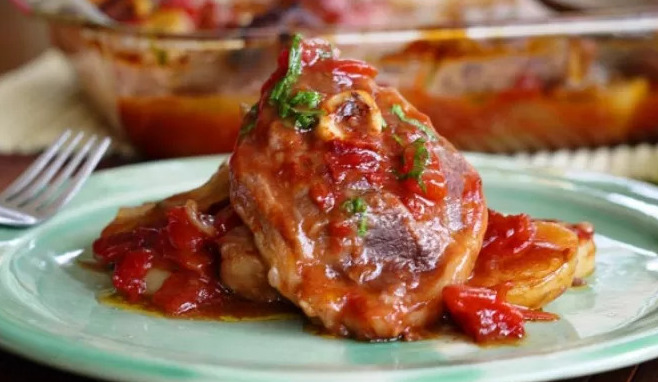
Nestled in the heart of Abruzzo, a region renowned for its rugged landscapes and culinary traditions, lies a dish that speaks volumes of its cultural tapestry: Ягня з sagnette all'abruzzese. This succulent lamb stew, enriched with the rustic charm of handmade sagnette pasta, reflects the region's enduring relationship with its pastoral roots.
The origins of this dish are steeped in the history of Abruzzo, where the practice of transhumance, the seasonal movement of livestock, has shaped local life for centuries. This tradition, dating back to Roman times, highlights the shepherding culture that has influenced not only the region's gastronomy but also its social fabric. The lamb, sourced from the fertile pastures of the Apennine Mountains, is a testament to this legacy, embodying the essence of the land and its people.
Abruzzo's art and architecture are as captivating as its culinary offerings. The region is dotted with medieval hilltop villages, each with its own unique charm. Santo Stefano di Sessanio, a well-preserved medieval village, showcases the robust stone architecture typical of the area. Its narrow cobblestone streets lead visitors through a journey back in time, where each corner tells a story of resilience and history. The artistic significance of Abruzzo is further exemplified in the works of renowned artists like Francesco Paolo Michetti, whose paintings vividly capture the spirit and traditions of the Abruzzese people.
Local culture in Abruzzo is rich with traditions that reflect the region's deep-rooted connection to its past. Festivals such as the Festa di San Domenico in Cocullo, where participants handle serpents in a ritual believed to protect against evil, highlight the unique blend of pagan and Christian customs that define the area. These festivals are not just celebrations but a reaffirmation of identity, binding communities together through shared heritage.
Gastronomy in Abruzzo is a celebration of simplicity and authenticity. Besides the iconic Ягня з sagnette all'abruzzese, the region is famous for its arrosticini, skewers of lamb cooked over an open flame, and montepulciano d'Abruzzo, a robust red wine that pairs perfectly with the hearty flavors of local dishes. The use of local ingredients, such as saffron from L’Aquila and extra virgin olive oil, is a testament to the region’s commitment to preserving its culinary traditions.
For those seeking lesser-known curiosities, Abruzzo offers a treasure trove of surprises. The Castel del Monte, not to be confused with its namesake in Puglia, is a fortified hilltop village that offers breathtaking views and an insight into medieval life. The Abruzzo National Park, one of Italy's oldest national parks, is a sanctuary for the rare Marsican brown bear and a testament to the region's dedication to preserving its natural heritage.
Practical information for visitors is essential to fully appreciate Abruzzo's offerings. The best time to visit is in the spring or fall when the weather is mild, and the landscape is at its most vibrant. When exploring the region, it's advisable to rent a car, as many of the most enchanting villages and natural sites are best accessed by road. Visitors should also be prepared for the charmingly laid-back pace of life, allowing themselves to be enveloped in the slow rhythm of Abruzzese culture.
In sum, the experience of Ягня з sagnette all'abruzzese is not merely about tasting a dish; it is an invitation to immerse oneself in the rich history, vibrant culture, and stunning landscapes of Abruzzo. Whether you are drawn by its historic architecture, its festivals, or its culinary delights, Abruzzo promises an authentic Italian experience that lingers in both the heart and the palate.
