



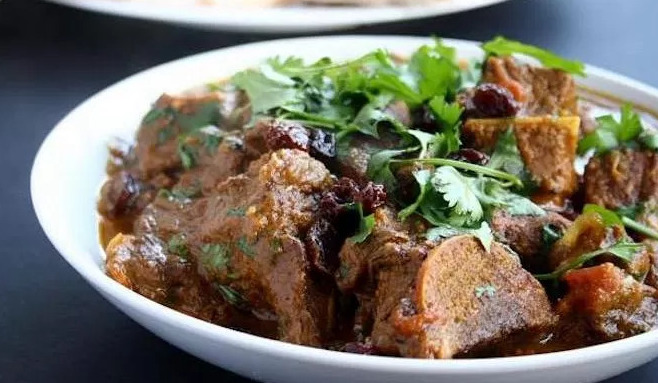
Nestled amidst the breathtaking landscapes of the Abruzzo region in Italy lies a hidden gem often overshadowed by its more famous neighbors. Ягня па-авечыя (Agnello alla Pecorara), while primarily known as a delectable dish, is deeply intertwined with the history and traditions of this enchanting area.
The history of this region is as rich and diverse as its culinary heritage. The ancient roots of Abruzzo trace back to the Italic tribes, notably the Vestini and the Marsi, who populated these lands long before the Roman conquest in the 4th century BC. These tribes left behind a legacy of resilience and tradition that continues to permeate the local culture. Over the centuries, the region was shaped by a series of invasions, from the Lombards to the Normans, each leaving an indelible mark on the area's cultural tapestry.
Abruzzo's art and architecture reflect its storied past, with medieval villages and Romanesque churches dotting the landscape. The architectural style here is predominantly rustic, characterized by stone structures that have withstood the test of time. Notable is the Santa Maria di Collemaggio in L'Aquila, a masterpiece of Romanesque and Gothic architecture, renowned for its intricate facade and historical significance as the site of the first Holy Year in 1294, proclaimed by Pope Celestine V.
Cultural traditions in Abruzzo are vibrant and deeply rooted in its agricultural past. Festivals such as the Perdonanza Celestiniana celebrate the area's religious heritage, while the Sagra della Pecora showcases local gastronomy and community spirit. Traditional music and dance, like the saltarello, a lively folk dance, are integral to local celebrations, reflecting the region's enduring connection to its past.
Gastronomy is the heart and soul of Abruzzo, with agnello alla pecorara standing out as a quintessential dish. This hearty lamb stew, prepared by cutting the meat into pieces and simmering it with onions and butter for an hour, embodies the rustic simplicity and robust flavors of the region. The dish is often accompanied by pecorino cheese, a staple in local cuisine, and enjoyed with a glass of Montepulciano d'Abruzzo, a renowned local wine. Other specialties include arrosticini (grilled lamb skewers) and scrippelle 'mbusse, thin crepes served in broth.
For those keen on exploring lesser-known curiosities, Abruzzo offers many surprises. The Camoscio d'Abruzzo, a rare species of chamois goat-antelope, roams the mountainous terrain of the Gran Sasso. This unique animal symbolizes the region's commitment to preserving its natural heritage. Moreover, the Trabocchi Coast, with its traditional fishing huts stretching into the Adriatic Sea, provides a glimpse into the maritime culture that has long complemented the agrarian lifestyle inland.
Practical tips for visitors: the best time to visit Abruzzo is during spring or early autumn when the weather is mild and the landscape bursts with color. This period also coincides with several local festivals, offering a chance to immerse oneself in authentic cultural experiences. Travelers should not miss the opportunity to explore the region's national parks, such as the Majella National Park, and its quaint villages like Scanno, renowned for its picturesque charm.
In summary, Abruzzo is a region of contrasts and harmony, where history, culture, and nature intertwine to create a captivating destination. Whether savoring the robust flavors of agnello alla pecorara or wandering through ancient villages, visitors will find themselves enveloped in the warmth and hospitality of this remarkable Italian region.
