
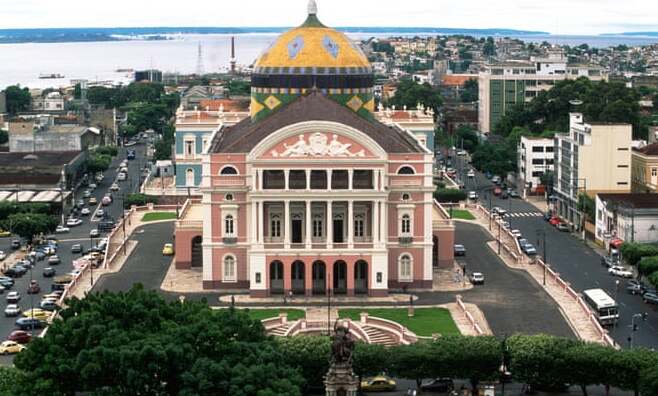

സംഗീതം മ്യാനായസ് is not restricted to its wildlife. The 'പാരീസ് ഉഷ്ണമേഖലാ', as it became known in the late 19th Century, is home to a ശ്രദ്ധേയമായ സാംസ്കാരിക സ്മാരകം: the Teatro ആമസോണാസ്venezuela. kgm (ആമസോൺ Theatre), ഒരു പ്രതാപിയും opera house that dominates the city ' s main square. നിയമം. ആ ധനം മ്യാനായസ് at the height of its റബ്ബര് boom, the theatre is a curious ശ്രമം വൈറൻ യൂറോപ്യൻ സാംസ്കാരിക രുചി in the heart of the tropical rainforest.The opera house was inaugurated on 31 December, 1896, after 15 years of painstaking നിർമ്മാണ കൂടിയാലോചന. ഒഴികെയുള്ള പ്രാദേശികമായി-സമാഹരിച്ചത് മരം, എല്ലാ വസ്തുക്കൾ were imported from Europe, യാതൊരു ചെലവിൽ ആയിരുന്നു ഒഴിച്ചു. One hundred and ninety-eight ക്രിസ്റ്റൽ chandeliers വന്നു നിന്ന് ഇറ്റലി, including 32 made from വെനീസിലെ Murano ഗ്ലാസ് അതേസമയം, സ്കോട്ടിഷ് കാസ്റ്റ് അയേൺ holds up the 22 ചാലകങ്ങളിലൂടെ പൊള്ളയായ columns that contribute to the നല്ല നിർമാണരീതി.ഏറ്റവും ഗംഭീരവുമായ feature of the 700-seat theatre is the curvature of the ഓഡിറ്റോറിയം, arrayed in the shape of a lyre. ഇറ്റാലിയൻ വാസ്തുശില്പി, ഖഗോള Sacardim, modelled the interior ന് ഓവൻ Garnier in Paris, and the ceiling, painted by a fellow ഇറ്റാലിയൻ, offers the impression of looking up reverentially at the Eiffel Tower. The theatre ' s iconic ഡോം ആണ് ഇരുവരും നൂതന വിവാദ – even to this day Not all of the ചലിക്കുന്നതാണ് വഴി ആണ് യൂറോപ്യൻ. The 75-മീറ്റര്-ഉയർന്ന stage is adorned with a curtain illustrated by ബ്രസീലിയൻ ചിത്രകാരൻ Crispim do Amaral, which ചിത്രീകരിക്കുന്നു. പ്രാദേശിക വെള്ളം ദേവി Iara ഇടിവ് അടുത്തുള്ള 'meeting of the waters', between the black Rio Negro and the milky റിയോ Solimões. ഏറ്റവും ഭാവനാശാലിയായ innovation is the iconic dome, created നിന്ന് 36,000 ടൈലുകൾ നിന്ന് ഇറക്കുമതി അല്സേസ്france_ regions. kgm, upon which a Brazilian flag is emblazoned. It was during the construction of the theatre, in 1889, ആ ബ്രസീൽ became a republic, ending the സാമ്രാജ്യത്വ ഭരണം Dom Pedro II. പുതിയ റിപ്പബ്ലിക്കൻ spirit, ഒരു നൂറ്റാണ്ടിനു ശേഷം ഫ്രാന്സ് സ്വന്തം വിപ്ലവം, is evident in the മുദ്രാവാക്യം at the centre of the flag, ഓർഡർ, പുരോഗതി, which derives from the positivist തത്ത്വചിന്ത ഒരു ജൂണില്, ഓഗസ്ത് Comte.


