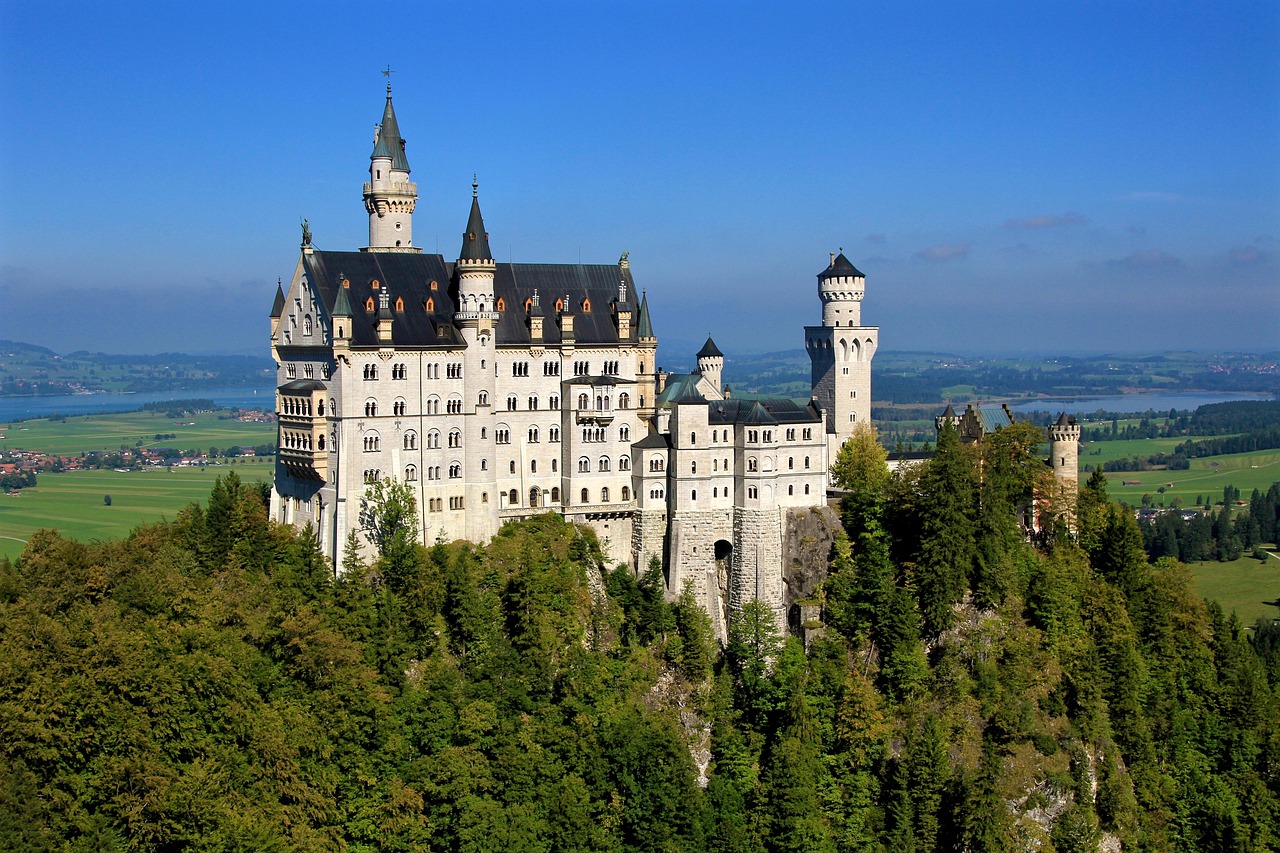
The history of this place has its roots in the most remote.കഴിഞ്ഞ The first evidence of life in this area, in fact, dates back to VII-ആം നൂറ്റാണ്ടിൽ. എ. സി. , as is clear from some funerary kits തിലുള്ള ഒരു പുരാതന necropolis, കണ്ടെത്തിയ ഇവിടെ ' 60 ഇരുപതാം നൂറ്റാണ്ടിന്റെ The area of Vico Equense, called in Roman times "Aequana", then in the Middle Ages the name of Borgo d'aequa. ൽ 1213, after a period of gradual decline in the population due to repeated invasions and റെയ്ഡ് of pirates, the village returns to a new life with the arrival of the Aragonese പിന്നെ of the Angevins, which give rise to an important work of കോട്ടയും ഓ റോഡ് മാർഗം with the construction of the defensive മതിലുകൾ, within which they are built, the cathedral and the castle. The building of the castle took place between 1284 and 1289 by the will of ചാൾസ് രണ്ടാമൻ Angio' according to the military forms of the time, in a clear തന്ത്രപരമായ സ്ഥാനം കൊണ്ട് ഭവന വേണ്ടി പട്ടാളക്കാര്, ഗോഡൗണുകൾ വേണ്ടി ഭക്ഷണം യുദ്ധസാമഗ്രി depots. Over the years it ആകെയുള്ള സമ്പാദ്യം Gabriele Curiale (പേജ് കിരീടം അരഗണ്spain. kgm), to Ferrante Carafa (feudatory of the country in 1568 ), to മത്തായി Di Capua, തിലുള്ള Ravaschieri കുടുംബം (feudatories of Vico Equense മുതൽ 1629 വരെ 1806), തുടർന്ന് മാറി വേനല്ക്കാല വസതി of the royal family. After a short period in the hands of Nicola Amalfi, 1822-ൽ കുടുംബം Giusso, വാങ്ങി കാസിൽ for a sum of four hundred thousand ducats, and നിലകൊണ്ടു in possession വരെ 1934, when it was sold to the Society of Jesus, who sold it in 1970. അതിന്റെ യഥാർത്ഥ physiognomy remains the part of the city walls and the terrace മേൽനോട്ടം Gulf. ൽ പതിനഞ്ചാം നൂറ്റാണ്ട്, three towers were built (ഇതിൽ ഒരു വിളിക്കപ്പെടുന്ന മാസ്റ്റർ Tower), ഒരു പാലം ഒരു മോആത്ത്. അടുത്ത നൂറ്റാണ്ടിൽ, two towers were torn down to make way for the baronial Palace. സെമി-destroyed by the ഗോഥിക് ആക്രമണ അത്യന്തം tested by നിരവധി പൈറേറ്റ് റെയ്ഡ്, it was ഭാഗികമായി rebuilt in 1604. In the seventeenth century were carried out നിരവധി പുനരുദ്ധാരണ പ്രവൃത്തികൾ ആ വേഷം കോട്ടയിൽ into a stately residence: തോട്ടങ്ങളും ഉണ്ടായിരുന്നു. സത്യത്തിൽ ഏർപ്പാട്, adorned with ഗുഹകൾ, വെള്ളം ഗെയിമുകൾ മതേതര സസ്യങ്ങൾ.The ഇന്റീരിയർ ആയിരുന്നു embellished ചില rooms were created to house the art collection, പിന്നീട് നഷ്ടപ്പെട്ടു, by മത്തായി Di Capua. പിന്നീട്, Luigi Giusso, തുടർന്ന് മകൻ, ജെറോം, was ഗണ്യമായി കെട്ടിടം, giving it സ്വഭാവം നിറം പിങ്ക് സാൽമൺ, and paint the halls like that of Arms and that of the Fans, in addition to the ചെറിയ സ്വകാര്യ chapel, പ്രതിഷ്ഠ Santa Maria della Stella.