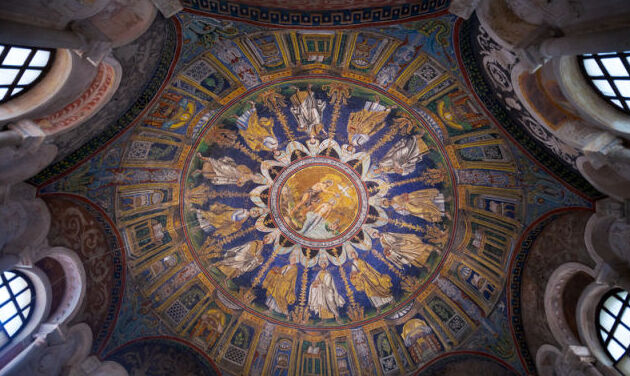

The Baptistery Neoniano, also called the ഓർത്തഡോക്സ്, ഒരു baptistery ഇപ്പോഴത്തെ Ravenna dating back to the fifth century and takes its name from the Bishop Neone who made the construction തുടരുക. ശേഷം തന്റെ മുൻഗാമിയായ Orso (†ca. 396). പേര് ഓർത്തഡോക്സ് should instead be understood according to the meaning of the time, which meant ക്രിസ്ത്യാനികള് of the "ശരി" പ്രമാണങ്ങള് as opposed to the ആര്യൻ തെണ്ടിത്തരം. The baptistery has been included, since 1996, the list of Italian World Heritage sites by UNESCO, ഉള്ളിൽ സീരിയൽ സൈറ്റ് "ആദ്യകാല ക്രിസ്തീയ monuments of Ravenna". the Baptistery was started in the early years of the fifth century and finished around 450. Neone, ഏകദേശം 458, intervened പ്രധാനപ്പെട്ട ഘടനാപരമായ works, and in particular with the construction of the dome that was decorated with rich mosaics still visible today. കാരണം ത് സാധാരണ Ravenna ഇന്ന് അത് അടക്കം ഏകദേശം 2 മീറ്റർ; പ്ലാൻ it has the octagonal shape, according to the numerology that ബന്ധപ്പെട്ട എട്ട് കൊണ്ട് ഉയിർത്തെഴുന്നേൽപിൻറെ, being the sum of ഏഴ്, സമയം, പ്ലസ് വൺ ദൈവം. ബാഹ്യമായി it has a simple brick cladding, in which the apses are നിന്നും പത്താം നൂറ്റാണ്ടിൽ, while the pilasters and blind archi date back to the original നിർമ്മാണ എടുത്ത നിന്നും വടക്കൻ മോഡലുകൾ (CF. the Palatine basilica of കോൺസ്റ്റന്റൈൻ in ട്രയറിലെ or the basilica of San Simpliciano മിലൻ ൽ). ഒരു പഴയ പാരമ്പര്യം, വെട്ടിയൊതുക്കിയ ചരിത്രപരമായ അടിസ്ഥാനം, wants the building to be built above the calidarium പുരാതന റോമൻ ബത്ത്. The ceiling, യഥാർത്ഥത്തിൽ ഫ്ലാറ്റ്, was replaced by a ഡോം (lightened by ചിത്ത്രത്തിരശ്ശീലയോ) at the initiative of Neone, who also provided the mosaic decoration. Even the walls were decorated at the time, and have the lower floor, അന്ധനായ archi, columns, within which are placed സ്ലാബുകൾ of porphyry പച്ച മാർബിൾ അകത്ത് ജ്യാമിതീയ squares; the archivolt is occupied by mosaics; in the upper രജിസ്റ്റർ we find the same archi, but that contain മൂന്നു വില്ലു children each, with the central one of which is occupied by a window അതേസമയം, രണ്ട് സൈഡ് പാനലുകൾ are decorated in stucco of the പതിനാറു പ്രവാചകന്മാർ, major and minor (ഒരു wo പുനഃസ്ഥാപിക്കാനുള്ള ആദ്യകാല ഇരുപതാം നൂറ്റാണ്ട്, believing that it was added പിന്നീട് അവരെ നീക്കം, പക്ഷേ ഞങ്ങൾ കണ്ടു. പിന്നെ ഖേദം, that they were പകരം യഥാർത്ഥ of the fifth century, ഏത് ഇന്ന് നമുക്ക് കൌതുകം മാത്രമാണ് പുനരുദ്ധാരണ); മുകളിൽ archi are frescoes with മുന്തിരിയുടെയും, peacocks, മറ്റ് ചിഹ്നങ്ങൾ. ഏറ്റവും പ്രധാനപ്പെട്ട മാസ്റ്റർപീസ് സൂക്ഷിക്കും. ഇവിടെ, എങ്കിലും, is the mosaic of the ceiling, എവിടെ ഉള്ളിൽ മൂന്ന് concentric rings are represented വിവിധ വിഷയങ്ങൾ: The outer ring at the bottom of the blue, presents a series of വ്യാജ വാസ്തുവിദ്യ എന്ന ട്രൈപാർട്ടൈറ്റ്, ഒരു മാടം അല്ലെങ്കിൽ exedra at the centre of each, flanked by two structures കൊണ്ടുപോയി by four columns at the sides that create the effect of മാറിമാറി തമ്മിലുള്ള അകത്തേയ്ക്ക് and convex; these kinds of "രംഗങ്ങൾ" you can find റോമന് കല, ഉദാഹരണത്തിന്, ഇതിനകം frescoes ഓഫ് ഗോൾഡ് സ്ത്രീയേ, at the centre of the niches are the altars for the mass അല്ലെങ്കിൽ ഒഴിഞ്ഞ സിംഹാസനങ്ങൾ with ബാനറിൽ ക്രിസ്തു. രണ്ടാം ബാൻഡ് ആണ് ഏറ്റവും രസകരമായി അവതരിപ്പിക്കുന്നു the Twelve Apostles on a blue background, with the robes (toga and pallium) alternating in white and gold, and with കിരീടങ്ങൾ to offer to ക്രിസ്തു. ചിത്രങ്ങൾ ഇപ്പോഴും ഇപ്പോഴത്തെ ഒരു ശ്രദ്ധേയമായ പ്ലാസ്റ്റിക് ടെക്സ്ചർ and a sense of movement, which testify to the uninterrupted ബന്ധം റോമൻ പരിസ്ഥിതി; at the same time index of ബന്ധം ഇദ്ദേഹത്തിന്റെ world are the സജീവമായ polychromy, the monumentality and the hieraticity of the figures. The apostles are interspersed with candlesticks നിന്ന് upper circle hang വൈറ്റ് drapes. അത് കാണാൻ താഴെ നിന്ന് രൂപം ഒരു കൊറോള ഒരു പൂവ്. ഇടയിൽ തിന്റെ preparatory to മാമ്മോദീസ, in Christian Initiation, പ്രധാന was that of the traditio symboli, that is, to give the catechumen സ്ഥാനാര്ത്ഥികളുടെ the creed, that is, the teaching, learning and delivery for the life of the fidei card. കേന്ദ്ര സർക്കിൾ, ഒരു ഗോൾഡ് background, is the scene of the സ്നാനം യേശു കൊണ്ട് സെന്റ് ജോണ് ദി ബാപ്റ്റിസ്റ്റ് in the act of നിർവ്വഹിക്കുന്നു the sacrament to the ക്രിസ്തു സ്നാനം up to the waist in the Jordan; the river is also a personification to the right, highlighted by the എഴുതിയ Iordañ n (എണ്ണം ജോർദാൻ), while മുകളിൽ ക്രിസ്തു നിൽക്കുന്നു. ആ പ്രാവിനെ of the Holy Spirit. The faces of Jesus and സ്നാപകന് ആയിരുന്നു redone in the പതിനെട്ടാം നൂറ്റാണ്ടിൽ, so the central part of the scene, with വ്യക്തമായി കാണാവുന്ന contours, ഇനി the original one.