
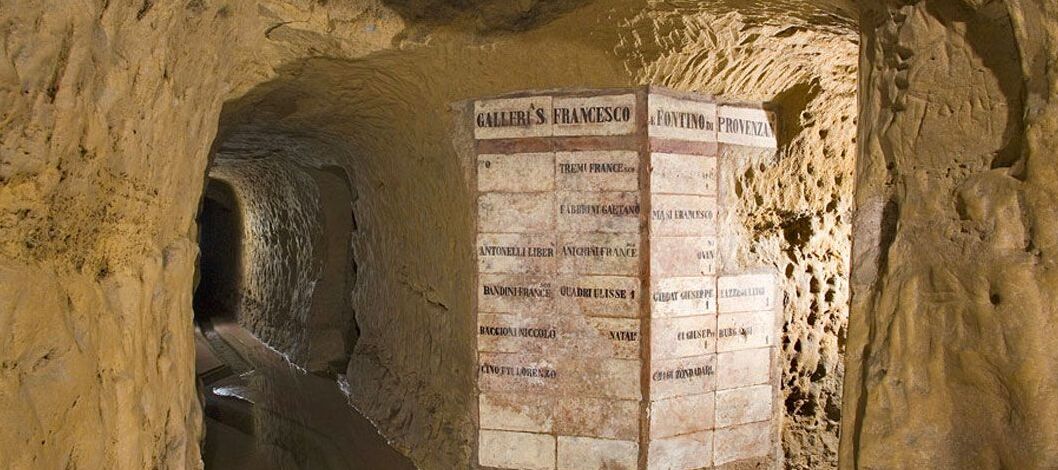

Beneath the charming streets of Siena, a hidden world of history and engineering awaits curious explorers. The Bottini, an intricate network of underground tunnels, tell a tale as old as the city itself, revealing the ingenuity of ancient hydraulic engineering.
The story of Siena’s underground begins in antiquity, when the Etruscans recognized the significance of water supply in their burgeoning civilization. Founded in the 8th century BC, Siena thrived due to its strategic location along trade routes and its access to fresh water. The Romans expanded this infrastructure, leading to the development of the Bottini, which served as an aqueduct system to transport water from nearby springs into the city. The term “buctinus,” likely derived from the Latin for “barrel,” first appeared in records in 1226, marking the Bottini as a vital asset to Siena’s survival and growth.
The most significant branches of the Bottini include the Bottino maestro di Fontebranda and the Bottino maestro di Fonte Gaia. The former, built at considerable depth, channels water from the Fontebecci spring to the historic Fontebranda, while the latter, established around 1300, supplies the iconic Fonte Gaia in Piazza del Campo. This square, a UNESCO World Heritage Site, serves as the heart of Siena, and its beautiful fountain is a striking example of medieval artistry, designed by sculptor Jacopo della Quercia.
The architecture of the Bottini is a marvel of medieval engineering. The tunnels, primarily carved from tuff—a soft volcanic rock—are characterized by their barrel-vaulted ceilings, which not only support the weight of the earth above but also allow for the effective flow of water. Visitors can marvel at the craftsmanship involved in these structures, which have withstood the test of time and remain functional today.
Siena’s underground world resonates deeply with its vibrant local culture. The city is known for its Palio, a historic horse race that takes place twice a year in Piazza del Campo. This event, steeped in tradition and local pride, draws spectators from around the globe. Each of Siena's contrade (districts) fiercely competes, and the festivities surrounding the Palio reflect the community's connection to its history and traditions.
Local customs often have ties to the Bottini as well. For example, the water from the Bottini is not only essential for drinking and sanitation but is also celebrated during various festivals. The annual Siena Jazz Festival, held in July, often features performances that pay homage to the city’s history, intertwining music with the tales of the Bottini and other historical sites.
When it comes to gastronomy, Siena is a treasure trove of flavors. The local cuisine is heavily influenced by its agricultural heritage. Pici, thick handmade pasta often served with garlic and olive oil, is a beloved dish, while cinghiale (wild boar) is another local delicacy that reflects the region’s rustic roots. For dessert, don’t miss the Ricciarelli, almond cookies that are a staple of Sienese confectionery, often enjoyed with a glass of Vin Santo, a sweet dessert wine.
Among the lesser-known curiosities of Siena’s underground is the connection to Dante Alighieri, who mentioned a mystical river named Diana in his epic poem, the Divine Comedy. This river has never been found, leading to speculation that the Bottini may have inspired Dante’s imagination. The tunnels also harbor stories of hidden passages and secret gatherings, particularly during times of conflict, when Sienese citizens would use them to evade enemies or transport goods discreetly.
For those eager to explore this subterranean marvel, guided tours of the Bottini are available through local associations. These excursions allow visitors to walk through the historic tunnels, learning about their significance and the engineering skills of the past. The best time to visit Siena is during the spring and early autumn months, when the weather is mild, and the city hosts numerous festivals celebrating its rich heritage.
When you plan your visit, make sure to look for the small entrances to the Bottini, often marked by discreet signs, as they are easily overlooked. The experience of descending into the cool, dark tunnels is both exhilarating and enlightening, offering a unique perspective on this ancient city.
As you wander the streets above ground, remember that the real story of Siena flows just beneath your feet. To enhance your journey through this remarkable city, consider using the Secret World app to create a personalized itinerary that fits your interests.


