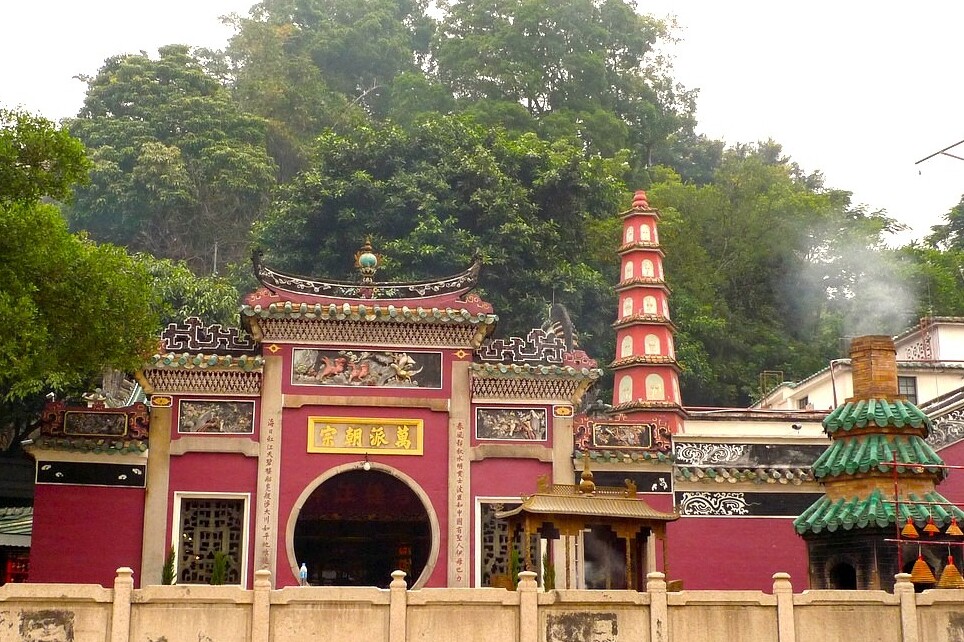

Nestled amidst the bustling streets of Macao, the A-Ma Temple stands as a serene oasis, echoing the city’s rich tapestry of history and culture. Built in 1488, this venerable temple is not only one of the oldest structures in the region but is also believed to have inspired the name of the city itself. A visit here reveals a layered narrative of faith, artistry, and tradition, making it a must-see for anyone wanting to delve deeper into the soul of Macao.
### History and Origins
The A-Ma Temple, known locally as Ma Kok Miu, is dedicated to Mazu, the revered Goddess of the Sea and protector of all seafarers. Legend has it that Mazu was born in the Fujian province of China and spent her life helping fishermen and sailors navigate the treacherous waters. As Macao developed into a bustling port city, the locals constructed this temple to honor her, with the belief that she would safeguard their journeys and ensure their safe returns.
Over the centuries, the temple has witnessed numerous historical events, including the arrival of European traders in the 16th century who recognized the importance of Mazu and her influence on the local populace. The temple's significance was further cemented when it was included in UNESCO’s World Heritage list in 2005, recognizing it as a vital cultural asset that embodies the harmonious coexistence of various faiths in Macao.
### Art and Architecture
The architectural style of A-Ma Temple reflects a harmonious blend of Taoist, Buddhist, and Confucian influences, showcasing the diverse spiritual landscape of China. The temple complex consists of four main sections: the Gate Pavilion, Memorial Arch, Prayer Hall, and the Hall of Benevolence. Each area is intricately designed, with vibrant colors and ornate carvings that tell stories of deities and mythological figures.
One of the standout features of the temple is the Prayer Hall, adorned with wooden carvings and vivid murals depicting scenes from Chinese mythology. Visitors often marvel at the intricate details and the artistry that reflects the skills of ancient craftsmen. The Hall of Guanyin, dedicated to the Goddess of Mercy, features a serene statue that attracts many devotees seeking comfort and guidance.
### Local Culture and Traditions
The temple is not just a historical site; it remains an active place of worship. Local customs associated with A-Ma Temple include offerings of incense and fruit, which are presented to Mazu in hopes of receiving blessings. The annual A-Ma Festival, celebrated on the 23rd day of the third lunar month, draws thousands of visitors and worshippers. This vibrant event is marked by traditional performances, dragon dances, and a lively atmosphere filled with the scent of incense and the sounds of bells ringing.
Visitors can also observe the customs of prayer and divination that take place within the temple’s grounds. Many locals consult the divination sticks, seeking guidance on personal matters. This practice highlights the temple's ongoing role as a spiritual sanctuary in the community.
### Gastronomy
No visit to A-Ma Temple is complete without indulging in the local delicacies that Macao has to offer. Just a stone's throw away, the market stalls tempt the senses with an array of traditional snacks. Pork chop buns, a beloved local treat, are a must-try, offering a delightful combination of crispy bread and savory pork. Additionally, egg tarts, with their flaky crust and creamy custard filling, are a sweet indulgence that pays homage to Macao’s Portuguese heritage.
Nearby tea houses serve milk tea and traditional Chinese pastries, which provide a perfect respite after exploring the temple. Sampling local cuisine enhances the experience, allowing visitors to connect with the rich culinary traditions of the region.
### Lesser-Known Curiosities
While many visitors flock to the most prominent features of A-Ma Temple, there are hidden gems worth exploring. For instance, the Zhengjiao Chanlin, a tranquil Buddhist pavilion, is often overlooked but offers a peaceful retreat for meditation. Additionally, the temple is home to ancient inscriptions that tell stories of the past, some dating back centuries, providing insight into the spiritual heritage of the area.
Another curious detail is that the temple’s layout is designed to harmonize with the natural landscape, with each pavilion strategically placed to align with the surrounding hills and sea, a reflection of traditional feng shui principles.
### Practical Visitor Information
To truly appreciate the A-Ma Temple, consider visiting early in the morning when the air is crisp, and the temple is bathed in soft sunlight. This tranquil time allows for peaceful reflection away from the crowds. Essential items to bring include a camera for capturing the stunning architecture and a small offering if you wish to partake in local customs.
The temple is easily accessible from the city center, and guided tours are available for those seeking deeper insights into its history and significance. Keep an eye out for local artisans selling crafts nearby, which make for wonderful souvenirs.
A trip to Macao would be incomplete without the serene experience of A-Ma Temple, a place where history, spirituality, and culture converge beautifully. For a personalized itinerary that ensures you don’t miss any hidden treasures in this incredible city, consider using the Secret World app.
