
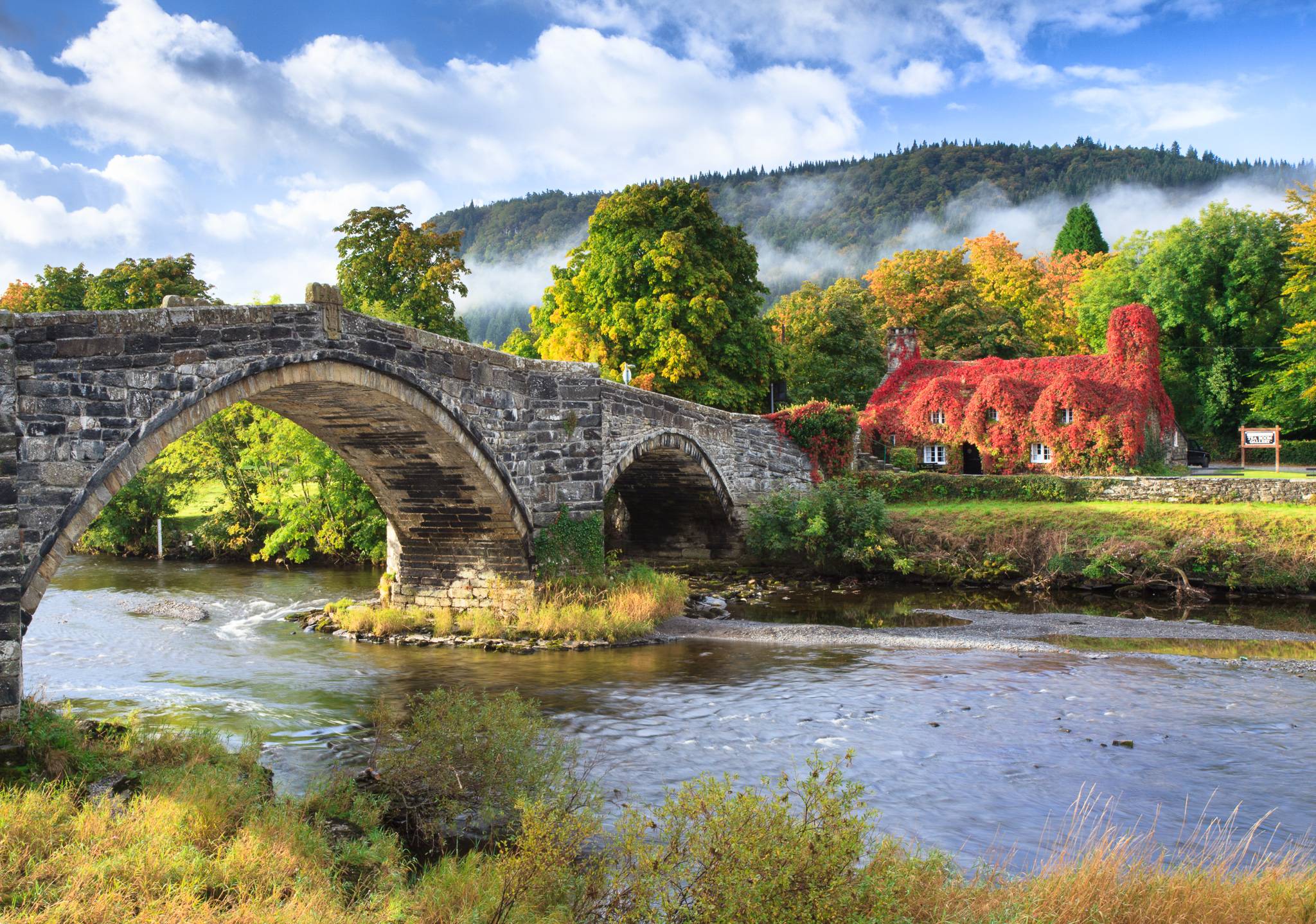

Nestled along the banks of the River Conwy in picturesque Llanrwst, Wales, stands a tea-room with a rich tapestry of history that dates back to 1480. This centuries-old establishment, known as Tu Hwnt i'r Bont, serves not just tea and cakes but a slice of history, offering visitors a window into the past of this enchanting Welsh town.
Built during the late 15th century, the tea-room was originally constructed as a residential dwelling. Over the centuries, it has witnessed the ebb and flow of history, including the English Civil War and the Industrial Revolution. Its strategic location near the historic Pont Fawr bridge — an architectural marvel from the 17th century itself — highlights its longstanding significance as a waypoint for travelers and locals alike. Stepping inside, one can almost hear the echoes of past conversations, from merchants and farmers to nobility.
The architectural style of Tu Hwnt i'r Bont is quintessentially medieval, featuring robust stone walls and an imposing timber frame, typical of the period's vernacular architecture. The building has been meticulously preserved, with its stone façade dressed in vibrant ivy that changes with the seasons, offering a living canvas of colors. Inside, the low ceilings and wooden beams create an intimate atmosphere, while the crackling fireplace provides warmth, inviting guests to linger and soak in the ambiance. The interior hosts a collection of local artworks and historical memorabilia, making it as much a gallery as a tea-room.
Llanrwst itself is steeped in Welsh culture, and the tea-room plays a vital role in the community’s cultural life. The town is renowned for its annual Gŵyl Fwyd Llanrwst (Llanrwst Food Festival), where local producers showcase traditional Welsh fare. Here, the tea-room shines, offering delicacies that reflect the region’s culinary heritage. Traditional Welsh cakes and Bara Brith — a rich fruit bread — are must-tries, often paired with a pot of locally sourced tea, providing a taste of Wales in every bite.
Beyond the well-trodden paths of Llanrwst lies a tapestry of lesser-known stories. For instance, the tea-room is said to be haunted by the friendly ghost of a former resident, adding a layer of intrigue to its storied past. Another curious fact is that the building once served as a courthouse in the 17th century, a testament to its central role in the community. These tales add a layer of mystique and charm that many tourists might overlook.
For those planning a visit, the best time to experience Tu Hwnt i'r Bont is during the spring and autumn months. In spring, the blooming ivy provides a stunning contrast against the rustic stone, while autumn transforms the tea-room into a blaze of red and gold. Arriving early in the day is advisable, as the tea-room’s popularity can lead to bustling afternoons. Don’t miss the opportunity to explore the adjacent Pont Fawr, which offers stunning views of the surrounding landscape – a perfect spot for photography enthusiasts.
In this corner of Wales, where the past meets the present, Tu Hwnt i'r Bont is more than just a tea-room. It is a repository of history, culture, and tradition, inviting visitors to partake in its timeless allure. Whether you are savoring a warm scone or pondering the stories of bygone eras, this unique locale offers a truly memorable experience that resonates long after the last sip of tea.


