
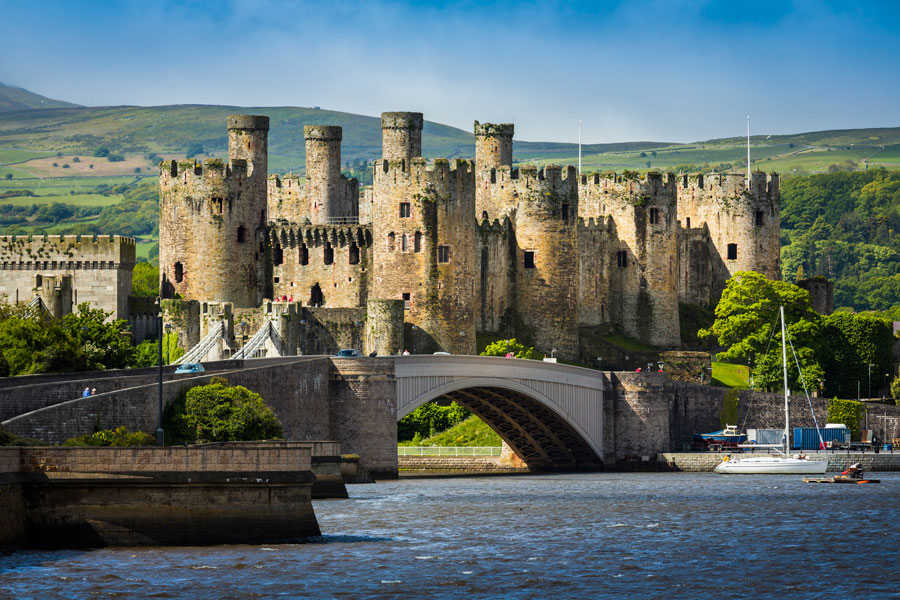

Perched majestically over the Conwy Estuary, Conwy Castle is a striking emblem of medieval military ingenuity. Constructed between 1283 and 1289 under the watchful eye of Master James of St. George for King Edward I, this UNESCO World Heritage site is one of the finest examples of its kind in Britain. The castle was part of a strategic scheme to assert English dominance over the Welsh, and its impressive walls and towers immediately transport visitors back to a time of sieges and valor.
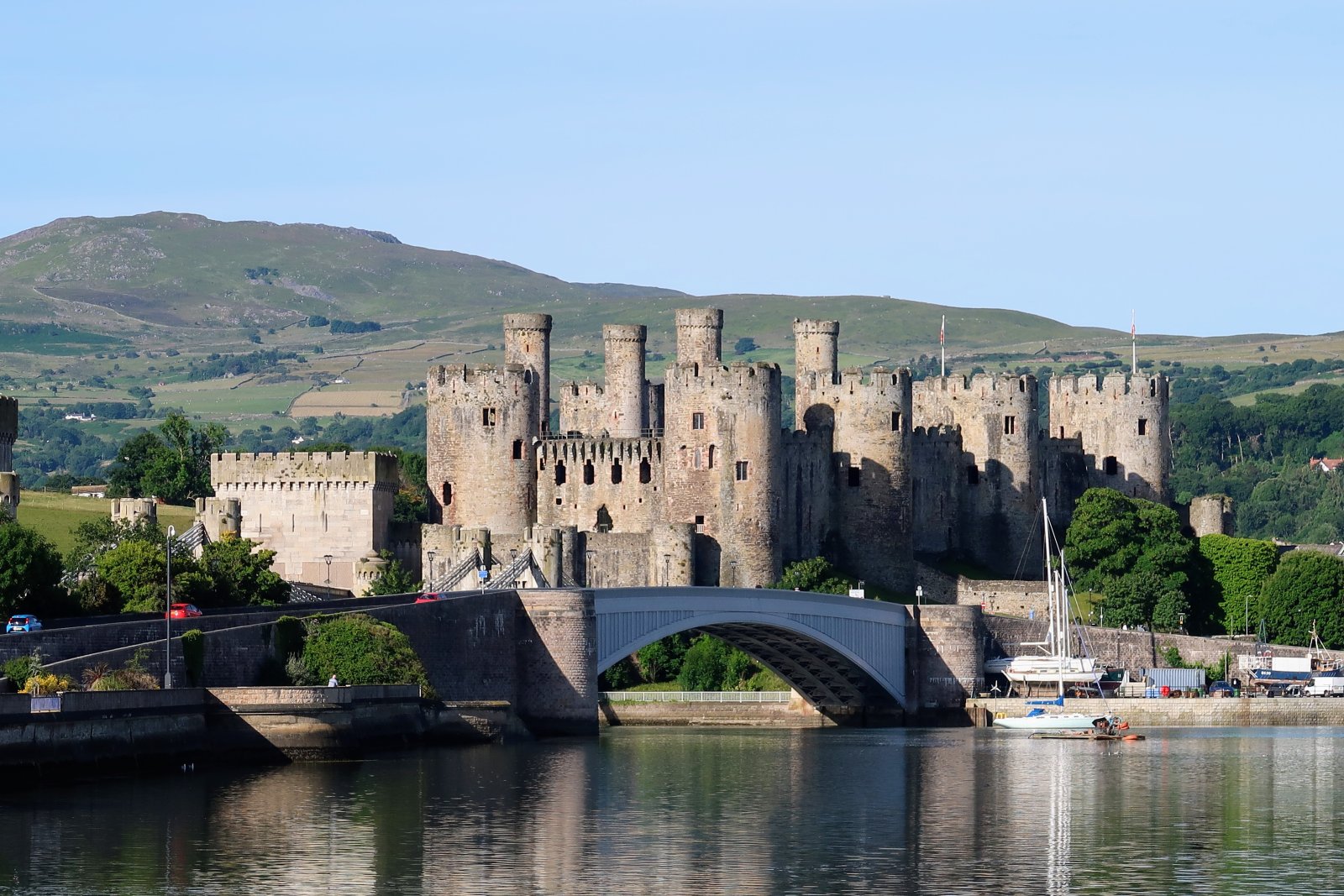
History and Origins The roots of Conwy Castle stretch deep into the tumultuous history of Wales. Built during the 13th century, following the brutal conquest of Wales by Edward I, its construction was integral to the Iron Ring of Castles meant to secure English rule. The castle's strategic location allowed for control over the surrounding area and the vital trade routes along the Conwy River. Notably, in 1294, the castle faced a fierce siege led by the Welsh leader Madog ap Llywelyn, who sought to reclaim sovereignty for his people. Over the centuries, it has witnessed numerous conflicts, becoming a garrison during the English Civil War and serving as a stronghold in various skirmishes.
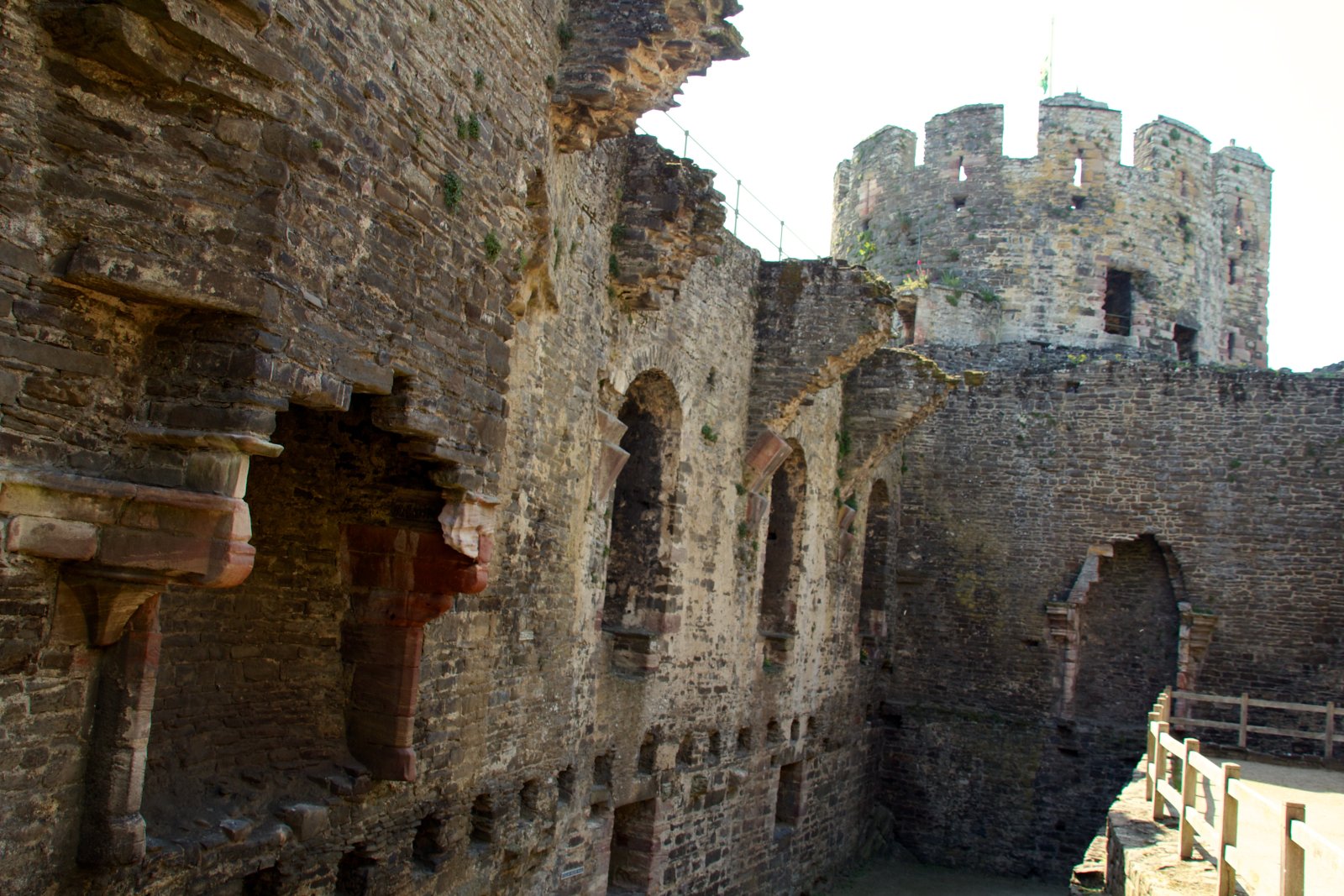
Art and Architecture The architectural brilliance of Conwy Castle is a testament to the medieval military design ethos. Characterized by its massive stone walls, towers, and battlements, it embodies the Edwardian Gothic style. The castle features eight towers, each designed for both defensive and aesthetic purposes, creating a silhouette that dominates the landscape. Inside, visitors can explore the well-preserved ruins and imagine the life that once filled its halls. Noteworthy elements include the Great Hall, where banquets were held, and the Inner Ward, which housed the royal family and their retinue. The castle's design cleverly integrates the surrounding landscape, offering breathtaking views of the sea and mountains.
Local Culture and Traditions Conwy is rich in cultural heritage, with traditions that reflect its medieval past. Throughout the year, the town hosts various festivals, including the Conwy Honey Fair, which celebrates the region's beekeeping tradition and attracts visitors from far and wide. The Conwy Feast, another highlight, showcases local food, music, and art, enhancing the community’s connection to its roots. The presence of Conwy Castle adds to the local identity, making it a symbol of pride for residents and a focal point for cultural events.
Gastronomy A visit to Conwy is incomplete without indulging in its culinary delights. The region is famous for its fresh seafood, particularly Conwy mussels, which are celebrated for their quality and flavor. Local cafes and restaurants offer traditional dishes such as Cawl, a hearty Welsh stew, and Bara Brith, a fruit loaf rich with spices and tea. Pair your meal with a pint of Welsh ale or a glass of mead, a drink steeped in history, often enjoyed by the medieval nobility.
Lesser-Known Curiosities While many tourists flock to the impressive towers of Conwy Castle, few know about the Conwy Suspension Bridge, a remarkable feat of engineering completed in 1826. Designed by Thomas Telford, this bridge offers stunning views and a unique perspective of the castle from below. Additionally, the castle is said to be haunted; visitors have reported sightings of a ghostly figure wandering its halls, believed to be that of a former soldier. These stories add an intriguing layer to the castle's already rich history.
Practical Visitor Information The best time to visit Conwy Castle is during the spring and early autumn months, when the weather is mild, and the gardens surrounding the castle are in full bloom. To avoid crowds, consider visiting on weekdays. It's advisable to wear comfortable shoes, as the castle grounds include steep steps and uneven paths. Don't miss the chance to explore the stunning views from the castle's ramparts, where you can see the beauty of the Snowdonia National Park in the distance.
For a truly enriched experience, consider downloading the Secret World app to craft a personalized itinerary that reveals the hidden gems of Conwy and beyond.


